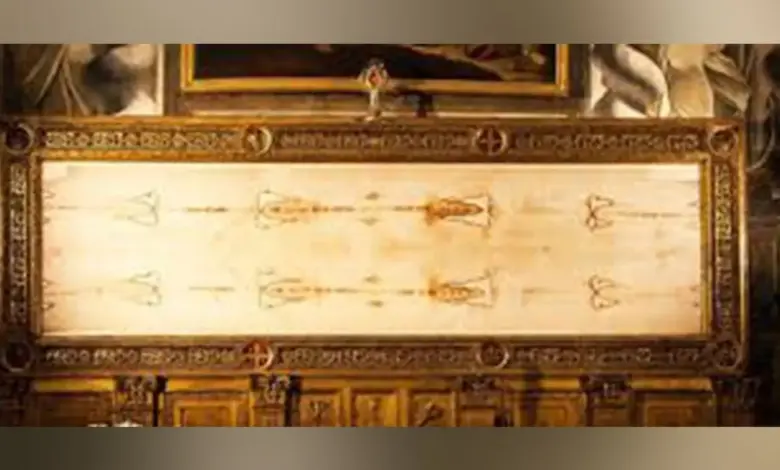
The new genetic research on the shroud of turin marks an inflection point: analyses of material provided by a forensic expert and re-examined by genomics researchers show a complex mixture of human lineages, plant and animal DNA, and a rich microbiome that together revise assumptions about the cloth’s movements and conservation history.
What If the DNA and Microbiome Findings Redraw the Cloth’s Journey?
A scientific article authored by Dr. Gianni Barcaccia, professor of Genetics and Genomics at the University of Padua, together with colleagues and material supplied by Professor Pier Luigi Baima Bollone, indicates the shroud carries layered genetic signals. Earlier work by the same team published in Nature Scientific Reports identified contamination from people who had touched the cloth: roughly 55. 6% Near Eastern lineages, about 38. 7% Indian lineages, and less than 5. 6% European lineages. The new pre-print confirms those patterns and adds microbiome data and haplogroup information.
Key published findings drawn from the recent analyses include:
- Human lineage mix consistent with extensive exposure in Mediterranean and South Asian contexts, with the presence of haplogroup H33 noted as prevalent in the Near East and frequent among the Druze.
- Broad environmental and biological contamination: plant and animal genetic traces range from domestic species to wild fauna and crops; some plant DNA corresponds to species likely introduced into Europe after early exploration.
- Microbial communities reconstructed from the material include skin-associated bacteria, fungi and halophilic archaea—microorganisms that thrive in high-salinity environments—pointing to conservation or storage conditions involving saline exposure.
What Happens When the Shroud Of Turin Is Viewed Through Genetics and Material Analysis?
These genetic signals lead to two interlinked readings of the object. First, the composition of human lineages and the identification of Indian-associated genetic traces open the possibility that some textile components or early handling involved connections with South Asian production or trade. The authors note historical interactions and the importation of fine linen from regions near the Indus Valley as a possible explanation, invoking the Greek term ‘Sindôn’ and scholarship that links that term to high-quality Indian textiles.
Second, the microbiome signal—especially halophilic archaea—adds a conservation-history dimension: saline conditions either during storage or as part of earlier conservation practices would leave such microbial fingerprints. The research team situates these laboratory results alongside historical and paleographic observations, including commentary by scholars who associate fine linen terminology with Indian textile traditions.
Not all technical voices accept a simple provenance narrative. A rebuttal published in Archaeometry by specialists Casabianca, Marinelli, and Piana challenges aspects of prior hypotheses, and the new work sits within a contested field where sampling, contamination, and interpretive choices affect conclusions.
Complementing the genetic and microbial debate is material- and image-focused inquiry. Independent work using open-source 3D modelling and experiments has questioned whether the visible imprint on the cloth is a direct body impression or a deliberate depiction, an idea earlier proposed by researchers testing painting and sculptural hypotheses. That line of analysis, represented by modeling efforts and earlier critical claims, intersects with the genetic findings by underscoring multiple pathways—handling, trade, conservation, and image creation—through which diverse biological and material traces could accumulate.
What Now? Where Debate and Research Head Next
The authors of the genetic study frame their results as an invitation to further exploration: the mix of Near Eastern and Indian genetic lineages, documented microbial communities, and the wide array of plant and animal DNA all point to a history of broad exposure in the Mediterranean world and beyond. Existing radiocarbon dating work placing the cloth in a medieval time range remains part of the broader evidentiary picture, and methodological disputes — including critiques published in Archaeometry — ensure the conversation will continue among geneticists, paleographers, conservators and historians.
For readers and researchers, the reasonable immediate expectations are clear: additional targeted genetic and microbial studies, careful reassessment of sampling provenance, and cross-disciplinary work that ties laboratory signatures to documented trade, storage and handling histories. Those investigations will determine whether the mix of signals vindicates hypotheses about imported yarn, extended Mediterranean circulation, or layered contamination accrued during centuries of veneration and conservation. The immediate implication is sustained scientific scrutiny and debate over the samples and the historical journey of the shroud of turin