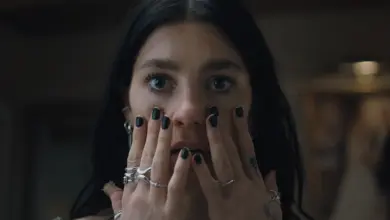
On a rain-dark road, a young woman named Rachel clutches a half-packed suitcase and a pendant of dread. That setup is the opening heartbeat of something very bad: an eight-part horror series that follows Rachel as she travels to a family cabin for a small wedding and finds every omen possible — abandoned infants, a dead fox, a peeping tom, and a single pink Barbie shoe — rearranging her future into a night of escalating terror.
How Something Very Bad ends — the Rachel twist explained
The finale resolves the central mechanics of the series’ supernatural threat: Rachel carries a long-standing curse with strict rules. She must marry who she believes to be her soulmate by sundown on her wedding day or face a bloody death; if she refuses to marry at all, the curse transfers to her fiancé’s family. As wedding nerves and personal doubt collide, Nicky calls the wedding off. Rachel attempts to marry him to spare his family but, having fallen out of love, dies immediately. In a final paradox, she is reborn as The Witness and is condemned to observe future weddings that may doom others.
Camila Morrone, who portrays Rachel, described the core emotional wound: “That’s the biggest betrayal and heartbreak for her. She realises, ‘You’ve never believed me about anything. You don’t see me at all. You don’t understand me. You’re like a stranger. ‘” Adam DiMarco, who plays Nicky, explained the fallout for his character: he is left “catatonic” and clutching a teddy bear after witnessing his family destroyed.
What makes Something Very Bad so terrifying?
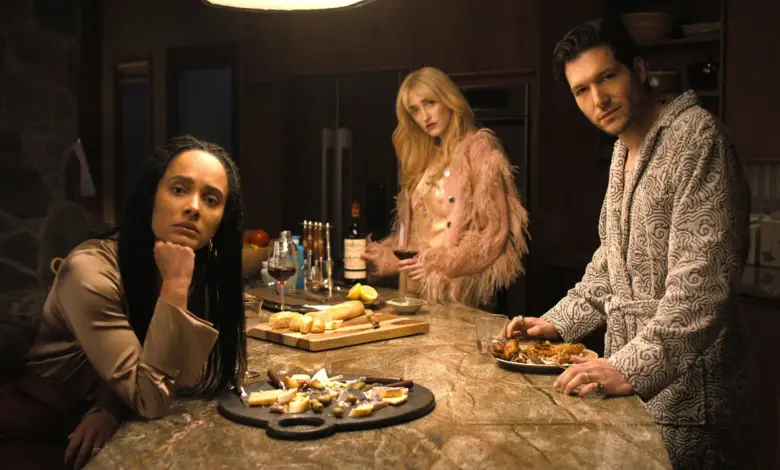
Fear in this series is engineered through domestic familiarity turned uncanny. The show stages commonplace anxieties — marriage, family expectations, secrets under the veneer of holiday hospitality — and threads them into genre set pieces: a shrine of taxidermied pets, a patriarch with an unreadable stare, whispered tales of a resurrecting killer called the Sorry Man. The production’s soundscape and a succession of specific dread-filled images push viewers toward hysteria, a reaction reviewers have described in stark terms.
The series also leans on lineage and ritual. Characters recite family lore; odd envelopes arrive at doorsteps bearing warnings for the bride; siblings trade stories about monstrous ancestors. Those details transform interpersonal rupture into a literal, inheritable hazard: the emotional logistics of a breakup become rules of life and death.
Voices from the set and the showrunner’s rationale
Creator Haley Z Boston framed the ending in human, everyday terms: “The show is about a breakup, ultimately. After you break up, there’s that moment of logistics, ” she explained, adding that practical considerations felt like the right resonance for the finale. Boston’s background in contemporary revenge and curated horror informs the series’ blend of intimate grief and mythic punishment. The creative imprint of established horror producers also shaped the project’s tone and reach.
Cast and crew choices underline the series’ ambition to make dread feel domestic and personal rather than merely sensational. That decision explains why the horror lands in the quiet corners of ceremony — the waiting room, the wedding aisle, the family portrait — rather than on overt spectacle alone.
The series’ conclusion leaves two hard questions in the air: whether Rachel’s rebirth as The Witness is punishment or a twisted reprieve, and at what cost the characters’ choices will continue to ripple through the family line. For viewers who watched Rachel’s journey from engagement plans to eternal observance, the ending reframes the opening cabin scene into a closed loop of intimacy and consequence.
Back on that rain-dark road, the suitcase still sits in the trunk, but the knowledge of what unfolded in the cabin makes it impossible to travel back. Rachel’s last, exhausted attempts at pragmatism — to spare others even as she loses herself — turn the series’ horror into a quietly devastating moral puzzle, leaving the viewer held between horror and pity.