Wembley Stadium: How Harry Styles’ Record 12-Night Run Could Redraw London’s Summer Economy

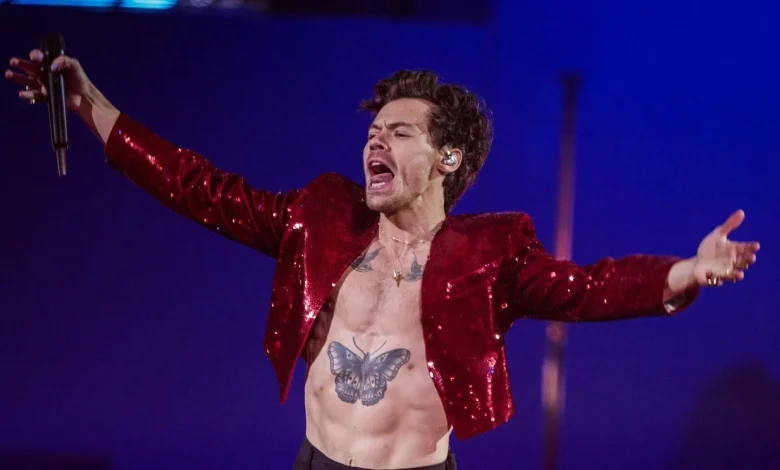
Harry Styles’ unprecedented 12-night residency at wembley stadium — the longest single-artist stretch at the venue — is already reshaping expectations for stadium economics and urban hospitality. The run, set between June 12 and July 4, has been framed both as a record-breaking cultural moment and a concentrated spending event that some forecasts place at roughly £200 million for London’s hospitality and retail sectors alone.
Background and context
The 12-night residency surpasses previous multi-night runs at the venue and marks the most performances by any artist at the stadium in a single year. It moves past Coldplay’s ten-night run from last summer and exceeds an earlier solo-artist benchmark set by Taylor Swift. What began as a six-night announcement expanded to a full dozen dates amid overwhelming demand. The Live Nation-promoted residency features a slate of special guests on select nights and is timed to follow the release of Styles’ fourth solo album, a 12-track record titled ‘Kiss All the Time. Disco, Occasionally, ‘ led by the single ‘Aperture. ‘
Economic Impact at Wembley Stadium
Estimates drawn from the Centre for Economics and Business Research project that fans could spend approximately £709 million overall on tickets, travel, accommodation, food and retail during the 12-night run. Of that total, roughly £200 million is expected to come from visitors travelling to London, boosting local hospitality and retail. Forecasts also suggest the run will attract more than one million ticket-holders across the dates. Data already reported in connection with the residency indicates that accommodation demand has pushed hotel prices sharply higher, with rooms near the venue reportedly approaching almost £1, 000 per night on concert dates.
Historic comparisons reinforce the scale: large concerts at the stadium have previously delivered major spending boosts, with Lloyds data showing fans spent more than £5 million during a single major show last summer on nearby pubs, bars and restaurants. That precedent frames expectations for the concentrated impact of a 12-night sequence by a solo artist who is pairing high demand with a compressed residency model.
Deep analysis and expert perspectives
The residency concentrates cultural draw and tourist activity into a narrow window, creating both opportunity and operational pressure for local businesses and transport networks. The scale of anticipated spending on hospitality and accommodation points to a short-term uplift for businesses in the stadium’s catchment area, while the broader £709 million estimate signals spending that will spill into retail, transport and ancillary services across the capital.
Kate Nicholls, chair of UKHospitality, said, “Music tourism is big business and even in these straitened times people are willing to travel for experience. This is an iconic performer in an iconic venue in the heart of the capital. You will get inbound tourists from Europe, America even. ” That framing underscores the sectoral mix likely to benefit: hotels, restaurants, and experiential retail aimed at visitors as much as residents.
A Wembley Stadium spokesperson said, “The 12 nights will be among the most special in our stadium’s long history, ” positioning the residency as an event with both cultural and commercial significance. Operationally, venue and city planners will face concentrated demand for transport, security and guest services, while businesses will contend with sharply variable pricing and stocking decisions tied to unpredictable daily flows.
From a fiscal perspective, the £200 million figure identified for visitor-driven hospitality and retail does not capture tax receipts, long-term brand benefits for London, or the secondary effects on sectors such as air travel and regional tourism linked to international visitors. Equally, elevated hotel pricing and localized congestion present political and community trade-offs that cities hosting large residencies must weigh.
Regional and global ripple effects
While the residency is concentrated in one English city, the broader tour routing spans several global markets, drawing attention to how a venue-focused model can amplify international tourism flows into a single destination. Cities on Styles’ wider itinerary are likely to see some parallel uplift, but the concentration at wembley stadium offers a compact laboratory to observe how a single-artist, multi-night residency alters spending patterns, pricing strategies and local capacity management over a focused period.
For sectors tracking music tourism, the Wembley residency will provide a significant case study: the overlap of record-breaking attendance metrics, packaging of deluxe album releases and curated guest appearances creates a complex value proposition that extends beyond gate receipts to a web of service industries.
As the dates approach, the figures already in circulation — a projected £200 million boost for London, a £709 million overall spending estimate, and more than one million ticket-holders expected — set expectations high. Will the concentrated residency model become a template for other headline acts seeking economic impact with reduced touring footprints? Or will the operational frictions and community pressures prompt a rethink of scale and distribution? The answers will unfold at wembley stadium this summer, offering a detailed snapshot of modern concert economics.