Denmark planned to blow up Greenland runways if US invaded — a tense Arctic gambit and its human stakes

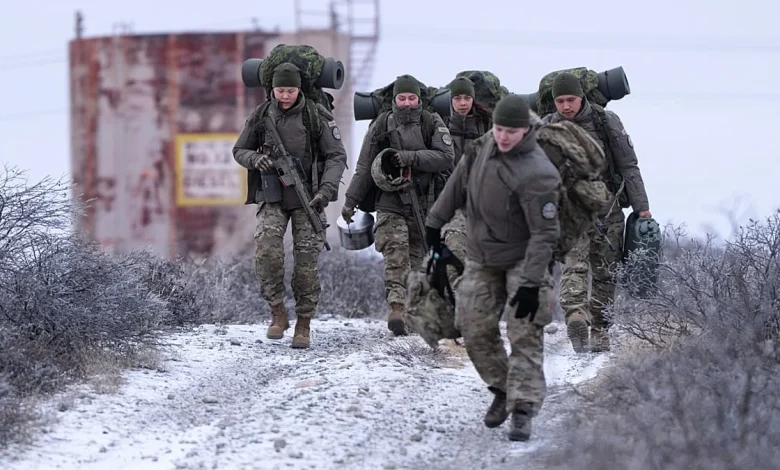
In the thin Arctic light, Danish troops were flown to the towns that serve as the island’s air gateways: Nuuk and Kangerlussuaq. Those deployments came with blood supplies to treat the wounded and orders that included preparing to destroy runways rather than allow foreign military aircraft to land on greenland, military figures and officials described.
What unfolded on the ground in Greenland?
Small contingents of soldiers from Denmark and several European countries were sent north in what was presented publicly as joint exercises. The deployments placed elite Danish soldiers and a French contingent trained for cold, mountainous warfare at two key airports. Danish aircraft were active and a French naval vessel moved toward the North Atlantic. The operation was named Operation Arctic Endurance in its public framing, and follow-up deployments reinforced the initial group already positioned around the island’s two main airfields.
Those on the ground also carried medical supplies. Blood supplies were brought in specifically to treat the wounded in the event of fighting. A senior Danish military official said only a limited number of people would have been aware of the operation for security reasons, and planners had considered extreme contingencies to deny the use of the airfields.
Why did Denmark prepare to destroy runways in Greenland?
The deployments and contingency planning were driven by repeated public statements from the U. S. president that he wanted to acquire the island, and by a spike in global tensions after an audacious operation elsewhere that involved elite U. S. forces seizing a foreign head of state. The day after that operation, the U. S. president said he would “worry about Greenland in about two months” and added, “we need Greenland from a national security situation. It’s so strategic, ” also asserting without evidence that “Right now Greenland is covered with Russian and Chinese ships all over the place. “
Those public assertions, combined with the sudden demonstration of U. S. special operations capabilities, prompted Danish security planners to treat all scenarios seriously. A high-ranking Danish security source said that when the U. S. president kept saying he wanted to take over Greenland, and then what happened elsewhere happened, Denmark “had to take all scenarios seriously. ” A Danish defence source warned that any plan to seize the island would have to impose a cost: “The cost to the US would have to be raised. The US would have to carry out a hostile act to get Greenland, ” the defence source said, while also acknowledging that troops would likely have been unable to repel a major U. S. attack.
Who acted and what responses followed?
Copenhagen sought political support from core European partners and the Nordic nations to demonstrate solidarity and to boost joint military activities in the region. Paris and Berlin were asked for backing, and the French president publicly said the initial contingent would be reinforced with “land, air, and sea assets. ” The reinforcement view translated into a multinational posture: additional European soldiers deployed alongside Danish forces, aircraft movements increased, and naval presence in the North Atlantic was adjusted.
The deployment was framed as a defensive, cooperative exercise, but planners also prepared a last-resort denial option for the island’s two critical airfields at Nuuk and Kangerlussuaq. Those on the ground were ordered to fight if necessary and to take measures to prevent hostile aircraft from landing, including preparing runways for demolition if a foreign power attempted to seize the territory.
For Greenlanders and the military personnel stationed there, the presence of armed contingents and stockpiled medical supplies turned an exercise into a palpable reminder of how fragile Arctic security can feel when great-power rhetoric and rapid military action collide.
Back at the airports where the operation began, the quiet readiness remains: soldiers, cold-weather-trained contingents, and medical stores in place, a posture intended to deter and to buy political time. The question that hangs over those preparations is simple and human — how to keep an island community safe when the balance between diplomacy and military action is so uncertain.
As the planes that carried troops away from the runways disappeared into the northern horizon, the memory of the deployments and the contingency plans stayed with those who had watched, waited and tended the blood supplies, a stark reminder that greenland’s strategic status can turn routine training into a strategy for survival.