Lamar Odom pleads not guilty to DUI charges in Las Vegas as a routine stop becomes a courtroom moment

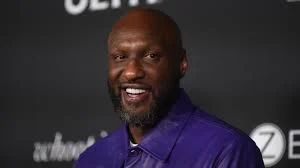
On a cold stretch of I-15 around 2 a. m. ET on Jan. 17, a traffic stop that began with high speed and flashing lights now sits under a courthouse clock: Lamar Odom entered a not guilty plea Tuesday morning in a DUI case stemming from that stop.
What happened during the I-15 traffic stop?
Nevada State Police pulled the vehicle over after officers observed it traveling at high speed. The arrest report documents an initial speed of about 90 mph that increased to 105 mph as officers approached. Officers noted the vehicle maintained speed, changed lanes without signaling, and was signaling in both directions without switching lanes before coming to a stop.
When officers stopped the vehicle, they recorded that both the driver and a passenger had bloodshot, watery eyes and that a significant odor of marijuana came from the car. Lamar Odom told officers he was on the phone with his manager at the time, and later failed a sobriety test administered at the scene.
What charges does Lamar Odom face and what are the next steps?
Lamar Odom faces a DUI charge plus two traffic violations: driving more than 41 miles per hour over the posted limit and an improper lane change. An attorney for Lamar Odom entered a not guilty plea in court on Tuesday morning, and the case is scheduled to return to court in July.
The plea formally begins the criminal process in this matter, moving the matter beyond the roadside encounter to pretrial procedures and potential hearings. The court calendar will be where factual disputes over the stop, observations and test results are addressed.
How do the roadside observations shape the case?
The arrest report lists several observations that form the factual core of the charges: excessive speed, lane violations, visible impairment indicators and the odor of marijuana. The failed sobriety test is recorded as part of the arrest sequence. Those elements are central to how prosecution and defense will frame the events that night.
For the defense, the not guilty plea preserves the right to challenge evidence and the legal basis for the stop and arrest. For the prosecution, documented observations by Nevada State Police and the outcome of on-scene testing are the starting point for proving the charges in court.
Procedural milestones now include pretrial motions, discovery exchanges and any hearings scheduled by the court before a trial date is set. The scheduled July return date marks the next public step in the case.
Back on I-15, the lights that halted a speeding vehicle have become part of a larger legal process. Lamar Odom’s plea moves the incident from roadside record to formal courtroom proceedings, where the same facts—speed, lane changes, physical observations and a failed sobriety test—will be examined under the rules of evidence and procedure. As July approaches, the scene on that stretch of highway will be revisited in filings and hearings, leaving open how the law will reconcile a fast night on the interstate with the standards a court must apply.