Harish Rana: Supreme Court Clears First Court-Approved Passive Euthanasia in India — Ethics of Letting Go

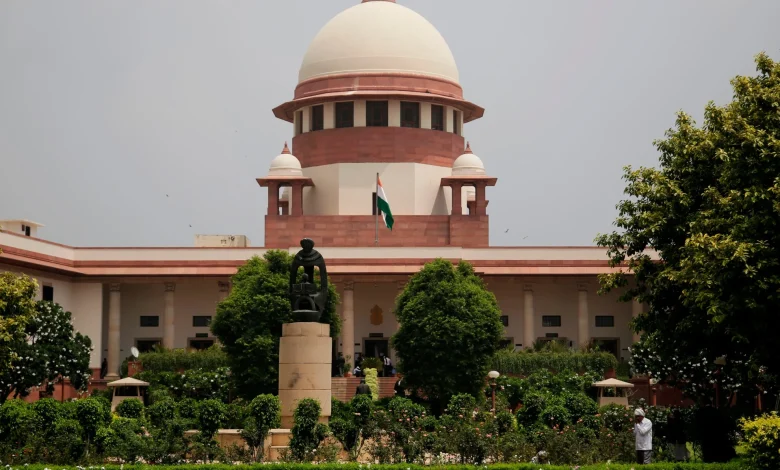
In a landmark decision on Wednesday (ET), India’s Supreme Court authorised the withdrawal of life support for harish rana, a man who has remained in a vegetative or comatose state since a severe fall. The ruling marks the first instance in which a court has approved passive euthanasia for an individual, reopening debates about living wills, medical authority and the limits of the right to die with dignity.
Background: Harish Rana’s case and legal history
harish rana sustained serious head injuries after falling from a fourth-floor balcony in 2013 while he was an engineering student. He has remained unable to communicate or recognise family members, breathing with a tracheostomy tube and receiving nutrition through a gastrostomy tube. Over more than a decade of care, his parents repeatedly petitioned courts to allow withdrawal of life-sustaining treatment.
India recognised passive euthanasia in 2018 under strict safeguards, while active euthanasia remains illegal. In this case, the family did not have a living will — a document that would have set out the patient’s wishes for end-of-life care — so they sought judicial permission. Earlier pleas in lower courts were not successful, with one court finding he was sustaining himself without external aid; the matter subsequently reached the Supreme Court, which has now permitted discontinuation of clinically administered nutrition and related life-support measures.
Deep analysis and expert perspectives
The court’s reasoning leaned on clinical assessments that the patient had shown no meaningful interaction and had received no improvement over an extended period. Justice J B Pardiwala and Justice K V Viswanathan of the Supreme Court of India noted that the patient exhibited sleep–wake cycles but remained dependent for all activities of self-care, language that reflects accepted clinical descriptions of a persistent vegetative state.
The bench further recorded that the patient’s next of kin and medical boards had reached the opinion that clinically administered nutrition should be discontinued. That finding bridged medical judgment and judicial oversight: medical boards provided clinical determinations and the court furnished legal authority to carry them out. Harish’s father, Ashok Rana, said that the family was grateful for a humanitarian judgement and that their choice was intended to serve what they believe is best for their son.
This case foregrounds tensions between two legal and ethical principles. On one side is the individual’s autonomy — normally exercised through a living will — and on the other is protection of life where explicit consent is absent. The absence of a living will in this case shifted the burden to relatives and the judiciary to interpret the patient’s best interests. The decision thus tests the practical application of the 2018 framework that recognised the right to die with dignity and authorised withdrawal of life support under safeguards.
Regional and legal ripple effects
The court’s authorisation in this first court-approved instance is likely to influence how families, hospitals and courts navigate similar requests. Medical boards and hospital ethics committees will be thrust into a pivotal role: their clinical conclusions can determine whether a petition for withdrawal of life-sustaining treatment reaches a favourable judicial outcome. The ruling also sharpens focus on the living will mechanism established in prior jurisprudence; the absence of such directives in harish rana’s case highlights how many patients may be left dependent on secondary decision-makers.
Internationally, the decision reinforces that passive euthanasia — allowing nature to take its course by withdrawing interventions — remains distinct from active measures that directly induce death. That legal distinction, already part of India’s law, is central to how courts, clinicians and families frame end-of-life choices while ensuring pain relief and palliative care remain priorities.
Uncertainties remain: how lower courts will interpret medical board findings, the procedural standards hospitals will adopt for such assessments, and whether legislative or regulatory steps will follow to streamline decision-making. The ruling does not alter the legal prohibition on active euthanasia, but it does create a precedent for judicial supervision of withdrawal decisions when a living will is absent.
As India confronts the consequences of this first court-approved case, questions persist about safeguards, consistency of medical evaluation, and access to palliative care for patients in prolonged disorders of consciousness. Will this decision prompt more families to seek judicial intervention, or will it motivate broader use of living wills to spare relatives and courts the burden of such choices?
Where the law moves from here will shape how future cases like harish rana’s are handled and whether policy reforms will aim to reconcile autonomy, medical judgment, and the protection of life in the face of irreversible conditions.