Man Utd left waiting: Klopp’s past snubs and what they mean for a club in search of certainty

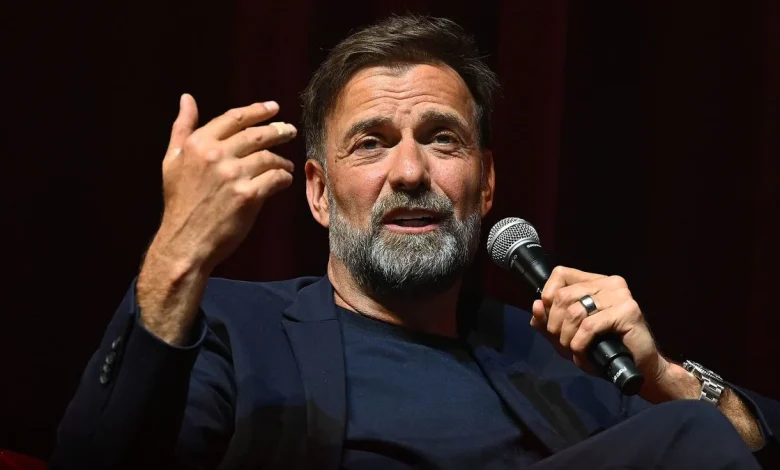
When Jürgen Klopp walked away from Anfield in 2024, he left a record of a Premier League and a Champions League among other trophies — and a public set of principles that would later shape which clubs he would consider. Those principles help explain why man utd was on a list of clubs Klopp declined to join earlier in his career, and why his current career choices keep reverberating through elite football circles.
What does Klopp’s stance mean for Man Utd?
Klopp’s posture toward potential employers is unusually explicit. He has said of Liverpool that “I love the history. I really am a football romantic, ” and that the club “took me like I am, they didn’t ask me to do anything else, so I could focus from the first day completely on football. ” He contrasted that environment with other offers that, in his view, “sounded like marketing, image, you need to sign this, you need to sign that. ”
Robbie Fowler, the former Liverpool striker, recalled a conversation in which Klopp explained he “turned down a couple of super-rich clubs after Dortmund – one of them was definitely Manchester United and the other was probably Real Madrid. ” That recollection places man utd directly in the category of clubs Klopp has previously rejected because of a perceived overemphasis on commercial priorities.
For a club facing its own questions about identity and decision-making, Klopp’s criteria are a reminder that managerial recruitment is not only a transaction. The explicit refusal to join another English club — “I will never, ever manage a different club in England than Liverpool, 100 per cent” — closes a door on a potential high-profile reunion for Man Utd, at least in Klopp’s view.
Why did Klopp reject clubs focused on commercial priorities?
Klopp’s words outline the tension: his managerial approach requires a margin for football-first decisions. He framed Liverpool as “a FOOTBALL club” and criticized other talks that prioritized image and marketing. Those remarks, spoken while reflecting on why he chose Liverpool, define a non-negotiable standard for any future employer: a balance between financial power and club identity that allows a manager to focus on football.
Since leaving the touchline, Klopp has taken a different path inside the sport. He now acts as Head of Global Soccer at Red Bull, a role that places him in a network that spans multiple clubs and responsibilities. The move away from everyday club management has not erased the conditions he set earlier: clubs that appear to prize commercial influence over football risk being incompatible with his stated values.
Could Klopp return to management — and what would it mean for national team plans?
There is an active line of discussion about whether Klopp might return to a coaching role that offers a different rhythm to club work. One prominent possibility in that conversation is the German national team. Julian Nagelsmann, head coach of the German national team, occupies the role whose results are now under intense scrutiny, and the federation’s appetite for change will depend on tournament outcomes and performance.
In that context, Klopp’s profile — a coach who prefers environments where football decisions dominate and who has said he will not manage another English club — makes a national-team role an attractive theoretical fit. Within his current remit at Red Bull, there are also signs of friction: tensions have been described between Klopp and the Red Bull board over a lack of progress at RB Leipzig and RB Salzburg, and it has been noted that Red Bull would not stand in his way if he sought a parting of ways.
Even so, practical obstacles remain. Klopp has said he does not want the immediate intensity of an elite club job like Real Madrid’s, and his insistence that Liverpool remain unique to him in England constrains options on the domestic front.
For Man Utd, the broader lesson is clear: elite managers sometimes weigh institutional culture and autonomy as heavily as prestige and resources. Klopp’s past refusals — and his plain-language explanation of why — are now part of the ledger any top club must consider when they seek direction and stability.
Back at Anfield, the record Klopp left behind — trophies, a style, and those uncompromising statements about identity — continues to shape conversations across European football. Whether that influence nudges a national team change or simply leaves clubs like man utd to seek different answers, Klopp’s stance has already altered the field of possibilities.