Süper Lig: Champions League Music Blared After Galatasaray’s 3-0 Win — A Signal and a Contradiction

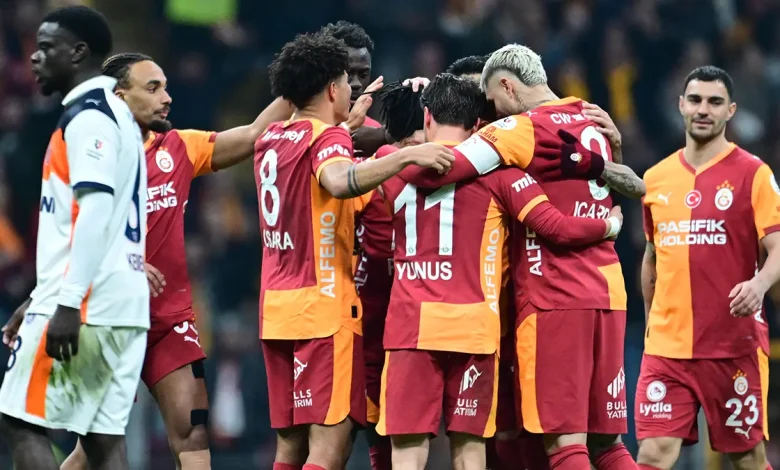
Galatasaray closed a home fixture with a 3-0 victory and stadium speakers immediately played Champions League music — an image that reframed this round of the süper lig and forced a closer look at what clubs and crowds are being told about destiny and momentum.
What actually happened on the pitch and in the stands?
Verified facts: Galatasaray defeated Başakşehir 3-0 at home. The goals came from Wilfried Singo (57′), Victor Osimhen (67′) and Renato Nhaga (85′). Başakşehir finished the second half with 10 men after Festy Ebosele received a second yellow card in the 56th minute; he had previously been cautioned in the 28th minute. After the final whistle, Champions League music played over the stadium speakers while Galatasaray celebrated. Galatasaray also held a seven-point advantage over their nearest challengers at the close of the week, and will meet Liverpool in the Champions League last-16 second leg following an earlier 1-0 first-leg result. Nuri Şahin, Başakşehir Teknik Direktörü, had explained his decision to start Festy Ebosele before the match, noting his selection as a tactical choice.
Analysis: The sequence of events is stark: a red card in the 56th minute altered match dynamics, Galatasaray converted that numerical advantage into three second-half goals, and the stadium’s immediate choice of Champions League music converted a routine post-match atmosphere into a public statement about stage and expectation. The facts are simple; the resonance is social and symbolic.
How does this shift the Süper Lig title narrative?
Verified facts: Galatasaray extended a points gap to seven over its closest rivals after this round. Victor Osimhen scored his league goal as part of a run of scoring form recorded in the match details; Wilfried Singo marked his return to scoring with a goal noted in the match timeline; Renato Nhaga scored his first league goal for Galatasaray. Yunus Akgün offered a post-match remark captured in the match record, celebrating the quality of recent wins.
Analysis: The margin in the table is a measurable competitive reality. The playing of Champions League music at the stadium amplifies an institutional narrative — one that links domestic success directly to continental ambition. For supporters and club insiders, that linkage can reinforce confidence; for rivals, it operates as a public signal that the club regards itself as already operating on a larger stage. The combination of a red-card turning point, clinical second-half finishing and an audible Champions League cue compresses sport performance and symbolism into a single episode that will be replayed in fan and club conversations.
Verified fact versus interpretation: the match scoreline, scorers, cards and the stadium audio are documented match events. What those events imply about club strategy, psychological edge or league governance is analysis and should be read as such.
Accountability and next steps: Clubs and league administrators can clarify messaging around match-day audio cues and public celebration to avoid conflating single-match triumphs with season-wide outcomes. Stakeholders named in the match record — such as Nuri Şahin, Festy Ebosele, Wilfried Singo, Victor Osimhen and Renato Nhaga — are central to any sporting explanation of the result; the broader interpretation of the moment belongs to clubs, competitors and fans. For observers following the süper lig, the episode is both a clear match report and an invitation to demand transparency about how clubs present success during the run-in.