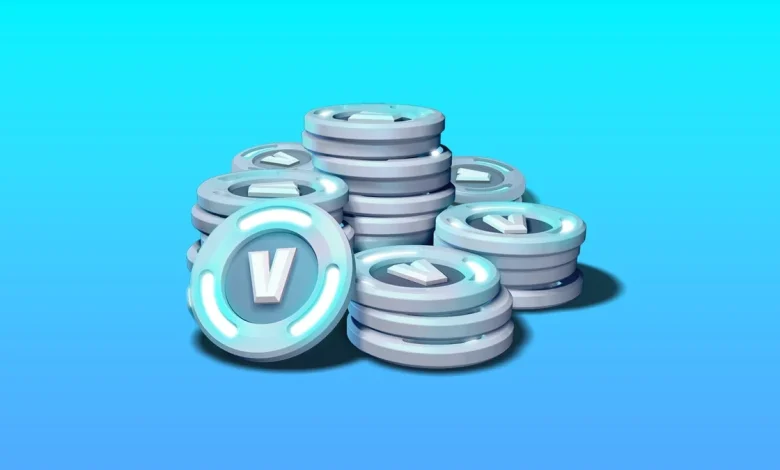
On the morning a new season was set to begin, epic games announced that the cost of Fortnite’s in‑game currency will rise, a move the company framed bluntly as a measure “to help pay the bills. ” The change, scheduled to begin on March 19, 2026, reshuffles what players get for the same money and narrows some of the free currency routes many had relied on.
Why is Epic Games raising V-Bucks prices?
Epic Games framed the decision as a response to sharply higher operating costs. “The cost of running Fortnite has gone up a lot and we’re raising prices to help pay the bills, ” the company wrote. Andre Balta, senior director of ecosystem growth at Epic Games, said, “I think what we put out publicly is pretty accurate, ” and described the change as a “direct correlation” to operating costs while declining to provide further specifics. Steve Allison, general manager of the Epic Games Store, added that the company is “investing in growing the ecosystem a lot, ” suggesting the move is intended to sustain broader development and platform initiatives.
What changes will players see?
The adjustments are concrete and immediate. As of March 19, 2026, purchasable V-Bucks packs will yield fewer units for the same price: an example given was that a pack that previously bought 1, 000 V-Bucks for $8. 99 will instead deliver 800 V-Bucks at that price point. Monthly Crew members will receive 800 V-Bucks rather than 1, 000. The main battle pass will no longer grant bonus currency rewards and its internal price will be reduced from 1, 000 V-Bucks to 800. Three other game passes — OG, Lego, and Music — will each see a 200 V-Bucks price decrease. An optional season pass will also be offered as part of the new structure. These moves shift how players budget real money for cosmetics and progression, while simultaneously trimming some of the ways V-Bucks were previously distributed.
How are players, experts, and institutions responding?
Reaction from players was immediate and vocal, with some expressing frustration over receiving fewer V-Bucks for the same outlay and others threatening to cancel subscriptions. One social post captured a sentiment common in the chatter: that Epic is a large company whose customers will pay regardless. Concerns surfaced that the decision could presage cuts to content or to in‑game earning opportunities.
Freelance games journalist Vic Hood provided a specialist perspective, saying the decision “may come as a surprise” even as she noted a mixed business picture: a record in some areas of player spending on third‑party titles coexists with declines in third‑party spending on the Epic Games Store across 2023 and 2024. Institutional moves are also in the background of this story: Epic’s dispute with Google over app store fees concluded with those fees reduced to 20%, and the Federal Trade Commission has reopened refunds for players affected by unwanted purchases in Fortnite — both developments that shape the regulatory and commercial context in which the pricing change landed.
For many players, the change crystallizes a practical question: how to reallocate limited discretionary funds across subscriptions, seasonal passes, and standalone cosmetics when the units they buy now buy less. For creators and smaller teams who build content inside Fortnite’s ecosystem, the company has signaled further investment and new commerce options, such as allowing developers to sell in‑game items, which could alter monetization paths even as V-Bucks purchasing power shifts.
Back in the lobby where the day began, players logged in to discover fewer soft currency units for the same money and a reworked battle pass offering. The line of players complaining and the line of creators adjusting prices run parallel: epic games has trimmed one side of the equation while promising investments on the other. Whether those investments will translate into tangible benefits for players or creators remains unresolved, and many will judge the decision by how the next seasons unfold — by whether new features and developer opportunities offset the sting of buying less for the same price.
The company’s blunt framing — raising prices “to help pay the bills” — closes one chapter in Fortnite’s long arc and opens another: an industry moment where cost pressures, platform settlements, and changing storefront economics are being felt directly in players’ wallets.