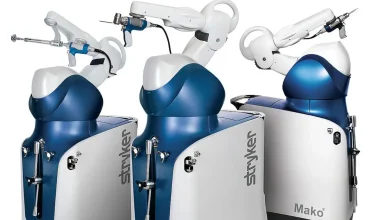
australian hospitals found themselves watching a story about a Michigan-based medical technology company unfold, after an Iran-linked hacker group claimed a disruptive attack that affected thousands of employee devices and raised fresh concerns about remote device management.
Are Australian Hospitals at Risk?
Short answer: hospitals that rely on devices and services from global medical suppliers are taking notice. The claim by the Handala hacker group that it struck Stryker, a U. S. maker of medical devices, interrupted thousands of workers’ access to Microsoft-managed systems and left some work-issued phones unusable. Handala framed the action as retaliation and asserted it had wiped systems and extracted data; Stryker said it had no indication of ransomware or malware and believes the incident is contained, while work to understand scope and impact continues and a timeline for full restoration remains unknown.
What happened to Stryker and its systems?
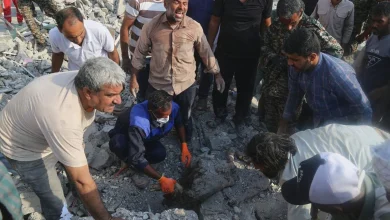
Handala, an Iran-linked hacktivist persona, claimed responsibility for a global disruption to Stryker’s Microsoft environment and said the operation was in retaliation for the Minab school bombing. The group posted a statement that included the claim: “We announce to the world that in retaliation for the brutal attack on the Minab school and in response to ongoing cyber assaults against the infrastructure of the Axis of Resistance, our major cyber operation has been executed with complete success. ” The group also called Stryker a “Zionist-rooted corporation” and claimed it had wiped thousands of systems and mobile devices and extracted 50 terabytes of data; that claim was made without public evidence in the materials released by the group.
Stryker said the disruption was due to a cyberattack on its Microsoft environment, that it had no indication of ransomware or malware, and that it believed the incident to be contained. The company warned that disruptions and limitations of access to certain information systems and business applications were expected to continue and that the timeline for full restoration was not yet known.
Who is Handala and what are experts saying?
Security practitioners have linked Handala to pro-Iranian hacktivist activity. Sophos described the “Handala Hack Team” as an Iranian hacktivist persona first observed in 2023. Rafe Pilling, director of threat intelligence at Sophos, said the public evidence points to attackers gaining access to a Microsoft Intune management console and triggering remote wipes for enrolled devices. He explained that Intune includes a remote wipe feature commonly used when devices are lost, retired, or repurposed, and observed that triggering that feature could erase devices back to factory settings.
Lee Sult, chief investigator at Binalyze, framed the incident as an escalation, calling it “the first drop of blood in the water” as the regional conflict spills into cyber operations and warning that further actions may follow. Intelligence firms have noted a rise in pro-Iranian hacktivist activity and said such groups have targeted infrastructure in multiple countries.
What are organizations doing in response?
Stryker has opened an investigation to determine the full scope, nature and impacts of the incident and has notified regulators while limiting access to affected systems and applications. The company emphasized that it has not determined whether the incident will have a material impact. Organizations that depend on third-party device management systems are reviewing access controls, authentication methods and the status of enrolled devices. Security vendors and experts are monitoring activity and assessing whether the event represents a broader change in tactics by hacktivist groups.
For hospitals and health providers that use equipment, services or device-management suites tied to suppliers like Stryker, the immediate practical steps include verifying device enrollment status, securing administrative consoles, and preparing contingency plans for communication and patient-care workflows if certain corporate services remain impaired.
The human toll of disrupted communications and inaccessible devices can be immediate in clinical settings; while there is no public evidence that clinical devices were directly sabotaged, the interruption of staff phones and corporate systems can slow coordination and routine operations.
Back in the hospital where the story began to register, staff who had been refreshing internal dashboards hours earlier now faced a quieter shift, phones that would not connect and IT teams tracing access logs. The Stryker probe is ongoing, Handala’s claims remain unverified in key respects, and australian hospitals and health systems are watching closely for any fallout. Whether the ripple becomes a wave will depend on what investigators find, how suppliers tighten controls, and whether the attackers escalate beyond the management consoles they appear to have targeted.