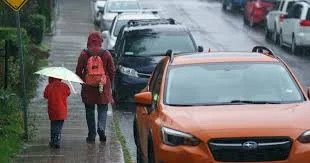
The region is bracing for an ontario snow storm: a complex, moisture-rich system poised to deliver prolonged freezing rain, heavy rain, and pockets of heavy snow across much of the province in a 24-plus-hour event beginning late Tuesday.
Why this moment is an inflection point
A single, long-duration system is expected to produce multiple precipitation types across geographic bands — fog and showers in southern areas giving way to snow, freezing rain and rain across central and southern Ontario by evening. The overlap of prolonged freezing rain and heavy rainfall creates simultaneous risks of power outages, slick untreated surfaces, and riverine flooding in vulnerable low-lying areas.
What Happens During the Ontario Snow Storm?
The setup includes moisture moving north from the southern U. S., resulting in a sustained weather event across Ontario. Forecast details outlined for the event include:
- Early conditions: fog, increasing clouds and possible showers in southern Ontario on Tuesday morning, with continued mild conditions initially.
- Progression: snow, freezing rain and rain spreading into central and southern Ontario by evening; southwestern regions may see overnight thunderstorms.
- Heavy snow: expected east of Lake Superior, with total snowfall of 5–15+ cm from east of Lake Superior to North Bay.
- Freezing precipitation: prolonged freezing rain and ice pellets anticipated east of Georgian Bay and toward the Ottawa Valley, with freezing rain totals generally in the 5–20+ mm range primarily for Ottawa and eastern Ontario.
- Rain and thunderstorms: southern Ontario could observe heavy rain and thunderstorms in the morning, with brief warmth in the afternoon followed by colder air that causes rain to transition to wintry mix or snow by evening.
Impacts, flood watches and local alerts
Flood watches are in effect for southern Ontario, and flood warnings have been issued for communities along the Grand River, including Brantford, New Hamburg and Haldimand County. Anticipated impacts through the event include power outages, slick roads and untreated surfaces, flooding, ice jams and fallen tree branches. Not all freezing rain will accrete on surfaces; wind, precipitation rate and surface conditions will influence ice accretion.
Who should watch closely and what to prepare for
Communities from southwestern Ontario through central and eastern regions should monitor local conditions closely. Ottawa and Montreal are specifically flagged as areas that should pay close attention to the unfolding forecast. Local vulnerabilities include flood-prone low-lying areas and river corridors where ice jams and riverine flooding may occur. Preparations that align with the identified impacts include ensuring power contingency plans for potential multi-day outages and avoiding travel on untreated, slick roads while freezing rain is occurring.
The storm track remains a key variable; slight shifts could alter which communities receive heavier snow or prolonged ice. Given the expected range of precipitation types — snow, freezing rain, ice pellets and heavy rain — residents should expect rapidly changing conditions over the 24-plus-hour event and stay aware of local watches and warnings as the situation evolves. The most immediate and actionable takeaway is to recognize this as a single, multi-hazard ontario snow storm