The oil price has eclipsed $US100 per barrel for the first time in more than three and a half years as the Iran war hinders production and shipping in the Middle East. Brent crude reached $US101. 19 shortly after trading resumed on the Chicago Mercantile Exchange on Monday (ET), and West Texas Intermediate traded near $US107. 06. The spike follows a near-shutdown of tanker traffic through the Strait of Hormuz and output cuts by major regional producers, squeezing global supply.
Immediate market moves and supply picture
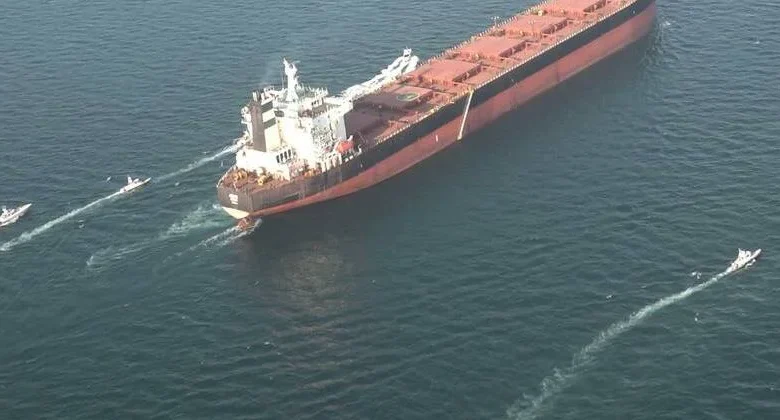
Brent was quoted at $US101. 19 and West Texas Intermediate at about $US107. 06 shortly after trading resumed on the Chicago Mercantile Exchange on Monday (ET). The oil price jump followed US crude rising 36 per cent and Brent rising 28 per cent last week, moves that reflect escalating damage to production and transport in the region. Rystad Energy estimates roughly 15 million barrels of crude — about 20 per cent of the world’s oil — typically transit the Strait of Hormuz each day; the threat of Iranian missile and drone attacks has all but stopped tanker movements through the strait.
Oil Price: Damage, attacks and production cuts driving the rally
Iran, Israel and the United States have all struck oil and gas facilities since the conflict began, compounding supply concerns. Iraq, Kuwait and the United Arab Emirates have reduced output as storage tanks fill because crude cannot be exported. Over the weekend, Israel’s military struck oil depots in Tehran and four oil storage tankers and a petroleum transfer terminal, adding to market uncertainty.
Immediate reactions from officials and market monitors
Mohammad Bagher Qalibaf, the speaker of Iran’s parliament, warned that “the war’s impact on the oil industry would spiral, ” saying it soon could become harder to produce and sell oil. Rystad Energy highlights the chokepoint risk at the Strait of Hormuz and the scale of daily flows that are now threatened. In the United States, AAA motor club said a gallon of regular gasoline rose to $US3. 45 on Sunday (ET), about 47 cents more than a week earlier, and diesel rose to about $US4. 60 a gallon, an increase of roughly 83 cents over the same period.
What this means now and what comes next
Markets are watching whether tanker routes reopen and whether curtailed production can be reversed; both will determine whether the oil price spike is sustained or recedes. Natural gas also climbed, ending Friday at $US3. 19 per 1, 000 cubic feet (ET), signalling broader energy-market ripple effects. Authorities and industry participants are likely to monitor shipping insurance rates, export volumes, and any further strikes on infrastructure closely in the coming days. Expect volatility to continue while the conflict affects key production and transit points through the Strait of Hormuz.