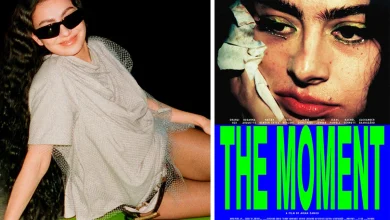
A struck-through plea sits at the top of a new book page — “PLEASE LIKE ME AND MY BOOK!!!!” — the kind of self-aware, embarrassed headline that greets readers before a single essay. In that small, wounded joke lives the particular craft of cazzie david: an author and performer who lays anxiety and aspiration side by side and invites an uneasy laugh.
What is Delusions about, and why does that opening matter?
Delusions opens with that struck-through line and moves through a series of essays that keep returning to private embarrassment made public. The collection’s chapters include “Nobody Cares About Your Birthday: Notes on Getting Older, ” “On Being a Hater, ” “What I Look Like: An Investigation, or Fifty Faces, ” “Con Artists, or Fuck Me, I’m a Creative, ” and “Baby for Dad. ” The book tracks what the author frames as a version of coming-of-age: the months approaching thirty, dating frustrations, attempts to cure screen addiction, and dissatisfaction with one’s reflection. The result is described in the book as a portrait of millennial malaise — a pattern of lived experience she turns into sharp, specific essays.
How does Cazzie David turn private moments into a wider conversation?
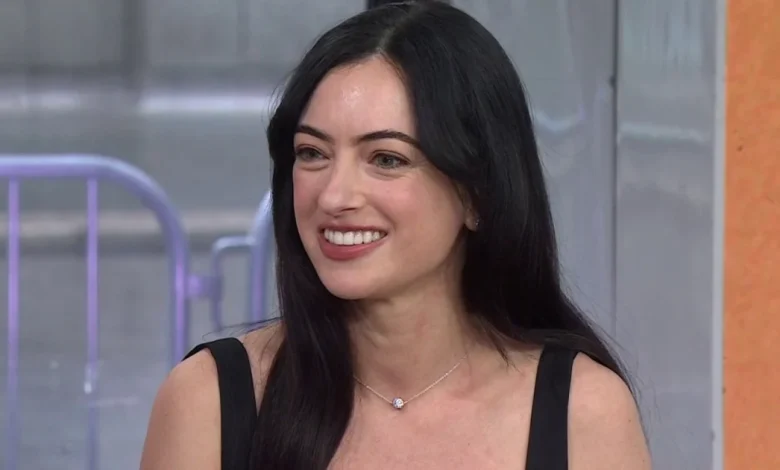
Cazzie David brings multiple public roles to the page: actor, screenwriter, director, and New York Times best-selling author. Her work in essays follows a creative trajectory that includes earlier essay collections and original film work. She published a first book of essays in 2020 and later wrote, directed, and starred in a 2024 film titled I Love You Forever. Her essays are both confessional and crafted; one dedication in Delusions is addressed to her sister, Romy, “in hopes that you’ll never call me a bad sister again, ” an intimacy that signals how the personal becomes the textual in her work.
Readers who have followed David from early projects to essays and screen work will recognize a through-line: she often writes about the quiet, anxious moments others pretend not to have. That sensibility, captured in lines that invite both laughter and discomfort, is part of why critics and peers have remarked on a literary kinship; one voice has called her “her generation’s Nora Ephron. “
What do her own words and those of readers reveal?
David’s own remarks, sampled from public interviews and surveys, show the same mix of self-awareness and performative confession found in her essays. She has written, “Notes app because it ruins my life the least, ” and offered wry takes on privacy: “I will keep everyone’s secrets forever but mine, which I will volunteer up to pretty much anyone solely to entertain them. ” She has also declared a hunger for other writers’ work, saying, “I told Lena I would cut off a finger to be able to read it right now, ” about a particular book she longs to re-read.
Those lines function as miniature essays themselves — frank, self-deprecating, and designed to register a common recognition. They give readers the sensation that an author is speaking directly from the same frailties they see in themselves: attention fractured by screens, romantic expectation, and the messy business of aging.
What is being done, and who is acting, is also evident inside the creative arc: David continues to publish essays, to take part in public conversations about books and life, and to make work in film, all of which extend the themes of Delusions into other formats. Her prior book and her film work form a visible path from essay to screen and back again.
For readers looking for guidance or remedy, the book itself offers no prescriptive plan; its offering is closer to recognition. The act of naming the small humiliations — in a chapter title, a struck-through plea, a punchline — is the response David provides, and it is also what keeps readers coming back.
Back on that first page, the struck-through plea takes on new resonance after reading the essays: it is less a literal request than a posture, a way of admitting need and exacting a laugh. The gesture distills what cazzie david has made central to her work — a willingness to expose personal delusions so others can find, in that exposure, a trace of their own lives.