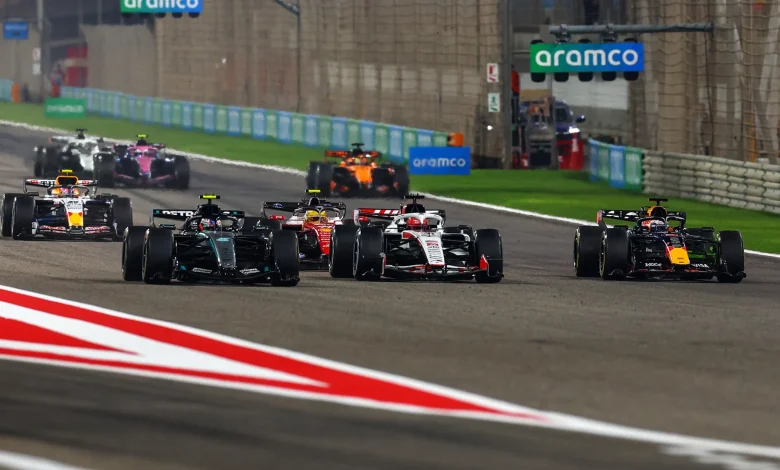
Conversations in the paddock and the stands have pivoted sharply to the mechanics of change: melbourne f1 discussions will now revolve around a dozen technical and regulatory shifts that fundamentally alter car architecture, propulsion and aero philosophy. The headline items—shorter wheelbase, narrower tyres, a lighter minimum weight and a redesigned powertrain—are all aimed at reshaping how cars behave on track and how teams extract performance within new constraints.
Melbourne F1 technical shifts: geometry, weight and tyres
The most immediate visual and handling consequences stem from the revised car dimensions. Wheelbase has been shortened by 200mm to 3400mm from the previous 3600mm, producing what drivers have described as a more nimble platform. Floor width has been reduced by 100mm, and tyre widths are down across the board—front tyres 25mm narrower and rear tyres 30mm narrower than the prior season. Those narrower tyres reduce the contact patch and can negatively affect absolute grip, even as the shorter wheelbase enhances agility. The minimum weight limit has dropped substantially, from 800kg to 768kg, a change enabled in part by the removal of a major powertrain component. Teams will need to reconcile the lighter overall mass with altered load paths and suspension tuning to retain tyre life and predictability through race stints.
Expert perspectives: what Formula 1 and drivers are highlighting
Formula 1 has outlined these changes as part of a comprehensive rewrite of both power unit and aerodynamic regulations for the season. Drivers have already commented on feeling a tangible difference in handling, citing improved responsiveness despite the lower downforce levels produced under the new aero rules. The governing explanation emphasizes that many trade-offs have been deliberately targeted: the dimension and weight reductions are intended to improve maneuverability and raceability, while aero simplifications seek to lower turbulent wake and allow closer following.
Power units and aerodynamics: the practical impact on racing
Powertrain architecture has been overhauled. The previously used heat-recovery motor has been removed, enabling a lighter package and contributing to the lower minimum weight. The internal combustion engine now operates with a reduced output of around 400kW, while the kinetic motor’s electrical output has increased markedly from 120kW to 350kW, moving toward an approximate 50-50 split between combustion and electrical power. Battery recharge allowances per lap have risen to more than double the previous 4MJ figure, shifting emphasis toward energy harvesting and deployment strategy. Harvesting can occur under braking, at part-throttle, and through a permitted technique described as ‘super clipping’—the kinetic unit operating in reverse at the end of straights within defined limits—or by drivers lifting off before braking. In parallel, teams will start running on Advanced Sustainable Fuels for the first time, an item bundled into the power unit transition.
Aerodynamically, the removal of Venturi tunnels from beneath the car reduces the prior dominance of ground-effect downforce. New floor rules still allow significant performance, particularly through an enlarged diffuser, but the balance of aerodynamic production has shifted. Front and rear wings have been simplified, wheel covers removed to save mass, and bargeboards reintroduced to steer turbulent flow from the front wheels inboard. The stated intent of those bargeboards is to reduce outwash—the lateral expulsion of turbulent air—and thus improve the ability for following cars to remain competitive in close quarters. The combined aero and mechanical changes mean teams must rethink setups: less downforce overall, altered flow structures, and a new interplay between electrical deployment and chassis balance.
Operationally, strategy rooms will face fresh trade-offs. Energy harvesting and battery management grow in strategic importance with much higher electrical power available and greater recharge per lap. Tyre management becomes more delicate with narrower contact patches, and the lighter cars will change braking points and cornering behavior. The net effect on wheel-to-wheel racing is ambiguous in pure numbers: some changes deliberately support closer racing, while others—reduced grip and different aero gradients—introduce new variables that could complicate overtaking and durability planning.
Through these rule shifts teams will be tested on integration: marrying a lighter, more nimble chassis to a hybrid system that now carries a larger electrical workload, and an aero package designed to lower wake disruption. melbourne f1 observers should expect a season where set-up ingenuity and energy strategy are as decisive as outright horsepower.
As the season approaches and teams develop solutions within this regulatory framework, a central question remains: will these changes deliver consistently closer racing, or will they reward the teams that best decode the new balance between mechanical grip, hybrid energy use and simplified aerodynamics in the months ahead of melbourne f1?