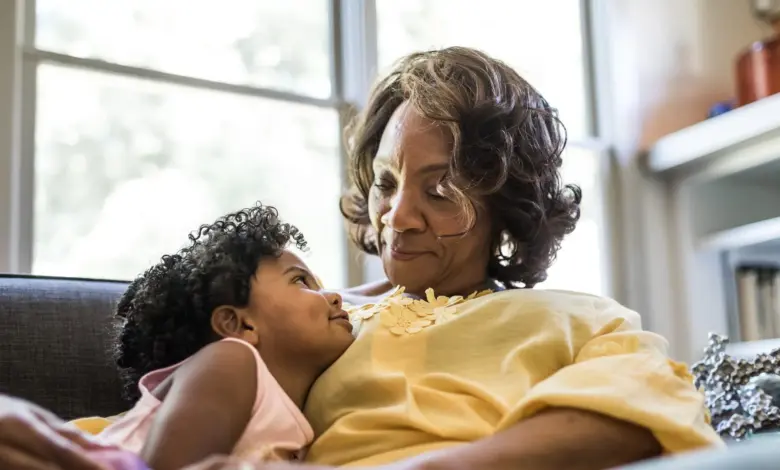
grandparents are increasingly choosing names that feel more personal, more flexible, and less traditional. The shift is being driven by baby boomers who do not always feel connected to the old labels of “grandma” and “grandpa. ” Some say the classic terms do not match how they see themselves, while others are embracing family traditions, inside jokes, or names chosen by grandchildren.
Why Grandparents Are Choosing New Names
The idea is simple: many grandparents want a name that fits their life now. Ellen J. Klausner, a clinical psychologist who focuses on the psychological issues specific to older adults, says there is more flexibility today in what grandparents are called, and that some are charting their own paths. She says many baby boomers struggle to reconcile their vibrant, active selves with names they associate with a more sedentary image.
Klausner also points to increased longevity and the presence of great-grandparents in some families, along with more step and blended families. That can make it more important for names to distinguish between generations and different extended families. In that setting, grandparents are not just picking a label; they are often choosing a role that feels clear inside a larger family structure.
What Some Grandparents Prefer Instead
Traditional names still have a strong hold, and many families continue to use Grandma and Grandpa, along with variations such as Grammy, Gramsie, Nana, Grampy, Papa, Poppy, and Pop Pop. But the list of newer choices keeps growing, and grandparents are making them their own in different ways.
Anne and Art McGivern chose Grandma and Grandpa for their nine grandkids because those names reminded them of their own grandparents. Anne said hearing little voices call them by those names brings back the happiness their own grandparents brought into their lives.
Others take a more playful route. Ellen Harmon asked to be called Granny with a slightly British accent, “Grahhny, ” saying Grandma felt too boring. Bob Wise wanted to be called Grandpa, but his granddaughter could not say it when she first began talking, and “Pip” stuck. Randi Mogil ended up being called “gaga” after her grandson’s interpretation of Grandma, while Diane Levy asked for “gaga” because Grandma felt too formal and difficult to pronounce in the early years.
The Middle Ground Between Tradition and Reinvention
For some families, the choice is still rooted in memory and sentiment. Klausner says there are people who cherish their own close relationships with grandparents and relish the transition into this new phase of life. For others, the motivation is more practical: a name that is easier for young children to say, or one that fits naturally with another family member’s title.
The result is a wide range of names that reflect personality as much as lineage. In that sense, grandparents are helping redefine what the title can sound like without giving up the meaning behind it.
What Comes Next
As families keep changing, the naming trend is likely to stay fluid. The article shows that grandparents are not abandoning tradition entirely, but many are choosing words that feel more personal, more modern, or simply more comfortable. For now, the names people choose are becoming another way to express identity inside the family, and grandparents are leading that shift one nickname at a time.