West Bengal Election 2026: 89.99% Turnout, Sporadic Violence and Repolling Concerns in Final Phase

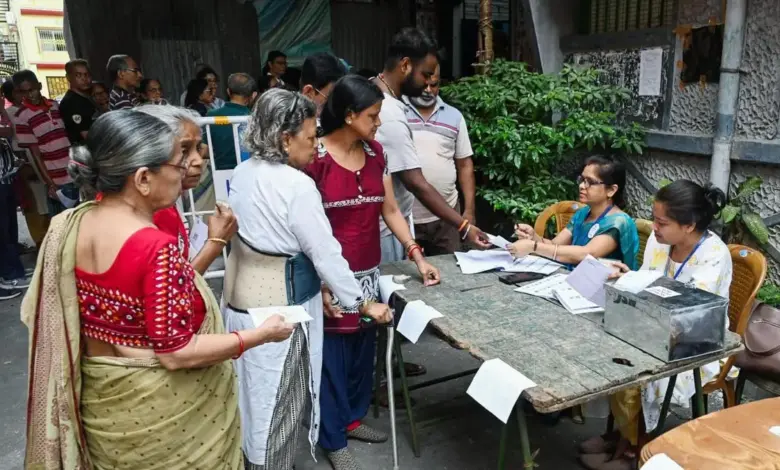
West Bengal Election 2026 entered its final stretch with a turnout figure that underlines both intensity and unease: 89. 99% of the 3. 21 crore electors had voted till 5 p. m. in the second phase. That number does not just signal participation. It also reflects how tightly contested the day has become, with sporadic violence, allegations around EVM tampering and talk of repolling shaping the political mood. In a phase widely described as a litmus test, the stakes extend well beyond one polling day.
Turnout, tension and the shape of the contest
The second phase of polling covered 142 seats across seven districts: North 24 Parganas, South 24 Parganas, Nadia, Howrah, Kolkata, Hooghly and Purba Bardhaman. By 1 p. m., turnout had already reached 61. 11%, and by 5 p. m. it climbed to 89. 99%, showing strong voter participation despite reports of sporadic violence. In this phase of West Bengal Election 2026, the battle is being read as a direct test of political strength in the party’s traditional strongholds in South Bengal and Kolkata.
That context explains why every fresh turnout update matters. High participation can suggest mobilisation, but in a charged environment it also raises the pressure on each side to frame the day as proof of momentum. The numbers alone cannot settle the political argument, but they do show that the electorate remained active even amid the disruptions.
What the second phase reveals about West Bengal Election 2026
The most immediate issue is not only who voted, but how securely the vote was conducted. West Bengal CEO Manoj Agarwal has said repolling is likely to be announced in booths where EVMs are found to have been tampered with. That possibility places administrative scrutiny at the centre of West Bengal Election 2026, because any repolling would not just be procedural; it would also feed into the larger dispute over fairness and control.
The second phase is being watched closely because the main contest remains between the Trinamool Congress and the BJP. The presence of major candidates, including Chief Minister Mamata Banerjee and BJP leader Suvendu Adhikari, both contesting from Bhabanipur, adds further weight to the phase. Ministers including Firhad Hakim in Kolkata Port, Aroop Biswas in Tollygunge, Shashi Panja in Shyampukur and Bratya Basu in Dum Dum also faced the electorate, turning the round into a high-profile test of leadership and organisational strength.
There is another layer beneath the turnout figures. A voter participation rate near 90% can sharpen expectations for both camps, but it can also intensify the narrative contest around isolated incidents. Claims of attacks, police inaction and tampering, even when not independently resolved in the available material, become politically potent because they shape perceptions of whether the vote reflected free choice or battlefield-style mobilisation.
Institutional pressure and political claims
Allegations made during polling added to the atmosphere. One claim described a person entering a polling station and casting votes forcefully after creating a card for four booths; the statement said a complaint would be made to the Election Commission. Another public allegation accused attackers of remaining unarrested and raised concerns about an incident involving a polling booth and an EVM button. These assertions, while politically consequential, sit alongside official turnout data and the Election Commission’s role in maintaining order and reviewing complaints.
The deployment of around 700 companies of Central Armed Police Forces across West Bengal after polling is also significant. An Election Commission official said the continued presence of central forces is intended to maintain peace and prevent untoward incidents in the post-poll period. That detail suggests the administration is treating the aftermath as nearly as sensitive as the polling itself, especially with possible repolling hanging over booths flagged for tampering.
Regional and national stakes beyond the ballot box
For the Trinamool Congress, the political meaning of the day is clear: West Bengal Election 2026 is being measured not only by turnout but by whether the party can hold its fortresses under pressure. For the BJP, the same phase offers an opening to argue that the contest has shifted, with the scale of participation and the intensity of claims around violence and booth-level issues keeping the campaign narrative alive.
The broader impact is institutional as much as electoral. When a polling phase ends with strong turnout, allegations of tampering and the prospect of repolling, the message to voters is mixed: participation remains high, but confidence in process must still be defended. In that sense, West Bengal Election 2026 is now as much about credibility as it is about counting votes.
As the second phase closes and the Election Commission weighs the next steps, the central question remains unavoidable: will the final political verdict rest on turnout, or on how convincingly the system answers the doubts raised during polling?