The Devil Wears Prada is back in focus as first reactions to the long-awaited sequel begin to surface after press screenings. The early response matters because this is not just a return to a beloved title; it is a test of whether a fashion dramedy from 2006 can still feel current in a digital media age.
What Happens When a Beloved Film Returns?
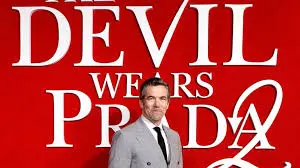
The sequel arrives after a drawn-out global promotional push, including a world premiere in New York City on April 20, a European premiere in London on April 22, and additional events in Tokyo, Seoul, Shanghai, and Milan. Professional critic reviews remain under embargo until April 29, but the first social media reactions have already framed the conversation around tone, nostalgia, and relevance.
Those early responses suggest the film is leaning into what made the original so durable: character chemistry, fashion spectacle, and a workplace world that still feels sharp enough to comment on media culture. One reaction singled out the sequel’s commentary on journalism, while another called it funny, charming, and packed with payoffs. That combination is important because the audience for a film like this is not only looking for callbacks; it is looking for proof that the sequel has something fresh to say.
What If Fashion Is the Real Engine?
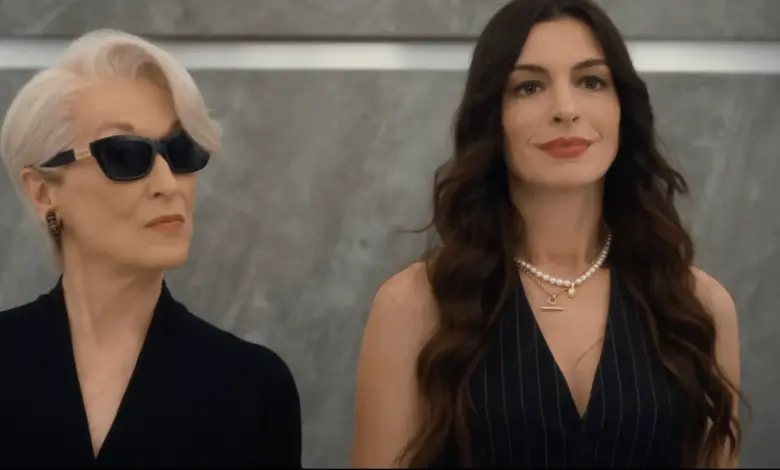
Fashion remains central to the sequel’s appeal, and the costume conversation gives the project another layer of interest. Costume designer Molly Rogers, working from Patricia Field’s legacy, has described Miranda Priestly’s wardrobe as a reflection of greater power in a more global world. That means cleaner silhouettes, stronger presence, and fewer distractions. In practical terms, the styling is being used to signal authority rather than reinvention.
That approach matters because the film’s visual identity is part of its cultural memory. Rogers also pointed to a custom red Balenciaga dress for Miranda’s gala entrance, along with a close-up on the matching heel before the reveal of an archive-inspired ballroom gown. For Andy Sachs, the styling story runs differently. Her look is built around years of travel, thrifted finds, vintage pieces, and smart tailoring that reflects a life shaped by experience outside the magazine world.
- Miranda: sharper, more authoritative silhouettes
- Andy: “feminine menswear, ” vintage, and practical luxury
- Shared effect: fashion used as character storytelling rather than decoration
What If the New Story Fits the Present?
The sequel’s plot centers on Miranda and Andy trying to bring Runway Magazine back to relevance in the digital media age, with Emily now positioned as a power broker at a deep-pocketed luxury fashion house. That setup gives the film a built-in tension between legacy media and the structures that now shape influence, prestige, and access.
This is where The Devil Wears Prada becomes more than a nostalgic return. The first film was a pop culture phenomenon and a major box-office success, but the sequel is trying to survive on a different kind of relevance. It must balance familiarity with a believable update to how media power works now. The early reactions suggest that balance may be landing, at least for viewers responding to the first screenings.
The returning core cast adds to that continuity: Meryl Streep, Anne Hathaway, Emily Blunt, and Stanley Tucci are all back, with David Frankel directing again and Aline Brosh McKenna returning as screenwriter. New additions include Justin Theroux and Kenneth Branagh, while cameo appearances expand the film’s broader fashion and entertainment footprint.
What If the Biggest Test Is Expectations?
The hardest challenge for any sequel to a highly loved film is not story mechanics; it is expectation management. In this case, the delay itself increased the pressure. The original film became a lasting reference point because of its cast, its dialogue, and its take on ambition and style. Now the sequel has to persuade viewers that the return was worth the wait.
The early reactions matter because they suggest the film is being received less as a simple rerun and more as a sequel with a point of view. If that holds, the film could appeal to three audiences at once: fans of the original, viewers interested in the fashion, and audiences drawn to media satire. If the final reviews match the early response, the sequel will have done something difficult: it will have made a familiar brand feel newly relevant.
For now, the clearest signal is that The Devil Wears Prada is still capable of generating curiosity, conversation, and aesthetic attention. The next checkpoint is the embargo lift on April 29, but the first wave of reactions already points to a sequel built on control, confidence, and cultural memory.