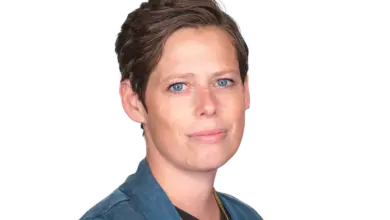
emma grede has reignited a workplace argument that reaches beyond productivity and into the texture of everyday life. In a recent appearance on the Leaders with Francine Lacqua podcast, the Skims cofounder said working from home is “career suicide, ” adding that the real costs of remote work are being overlooked.
Grede’s comments landed because they challenged a habit many workers have settled into: treating distance as a neutral choice. For her, it is not neutral at all. It changes how people are seen, how they learn, and how they move through a career.
Why did Emma Grede call remote work “career suicide”?
Grede’s argument was direct. “Working from home is career suicide. And we only talk about the upside of working from home, ” she told Francine Lacqua. Her point was not only about individual performance, but about progression: being physically present, she said, matters from the start of a career.
She linked that view to her own experience. Grede said she worked unpaid internships while struggling financially, yet still saw value in being able to go into an organization and learn without already having qualifications or a right to be there. That access, she said, was a huge unlock. She also said there should be protections in place, but that people have much to learn when they can get under the hood of an organization.
What bigger social pattern is she pointing to?
Grede pushed the discussion beyond office logistics and into social life. She said remote work may be part of wider changes visible in declining birth rates, declining marriage rates, and what she described as the loneliness epidemic. “Think about what’s happening in the world, ” she said. “And we think that none of that is linked to the number of people that, like, don’t see people because they’re doing Zoom calls from the living room?”
That link is central to her message: careers and close relationships are not separate spheres. Grede said the key to a long and happy life is close relationships, which gives her criticism of remote work a personal and social dimension at once. The office, in her framing, is not just a place to complete tasks. It is where informal conversations, trust, and opportunity are more likely to appear.
How does this debate affect workers at different stages?
The strongest part of Grede’s argument concerns younger workers. She said being in the room matters from the very start of a career. In that stage, visibility can shape how people are coached, noticed, and trusted. Remote work may offer flexibility, but Grede’s view is that it can also create distance from the moments where careers are built in quiet, ordinary ways.
Her comments also reflect a broader divide in workplace thinking. Some leaders emphasize autonomy and convenience. Others worry about mentorship gaps and slower advancement when people are rarely present together. Grede’s remarks place her firmly in the second camp, where career development depends heavily on shared space and direct exposure.
How is Emma Grede’s stance being framed by her recent remarks?
Grede is not new to hard-edged workplace commentary. In May 2025, she said candidates asking about work-life balance during interviews was a red flag, and she added that work-life balance is the worker’s problem, not the employer’s responsibility. In an April interview with The, she also drew criticism after describing herself as a “max three-hour mum” on weekends focused on making “high-impact, core memories” with her children.
Those remarks matter because they show a consistent philosophy: she values intensity, proximity, and direct engagement. In that context, her comments on remote work are not an isolated provocation but part of a wider belief about effort, responsibility, and access.
What does the remote-work argument look like now?
Grede is part of a growing number of chief executives pushing back on remote work. Elon Musk has said remote work is “morally wrong, ” while Jamie Dimon has said it does not work for many younger employees who need in-person guidance. Against that backdrop, Grede’s remarks add another sharp voice to a debate that remains unresolved.
The question she leaves hanging is not only whether people can do their jobs from home. It is whether they can build careers, relationships, and a sense of belonging while staying out of the room. For Grede, the answer is no. And for many workers still weighing flexibility against visibility, that answer may be the part of the debate that matters most.