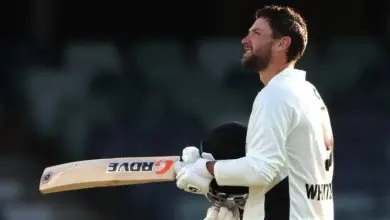
John Stones will leave Manchester City at the end of the season, closing a decade that began with a record fee for a defender and ended with a farewell shaped by injuries, trophies and a rare sense of permanence. His departure matters because it is not only about one player moving on; it also marks another step in a wider summer of change at the club. Stones said he had “lived all my dreams out” at Manchester City, and that message frames the scale of the exit.
Why John Stones matters now
The timing of the John Stones exit is striking because his contract runs out this summer and he will depart as a free agent. He joined from Everton in 2016 for £47. 5m and became Pep Guardiola’s second signing at the club. Since then, he has made 293 appearances and collected six Premier League titles, one Champions League, two FA Cups, five League Cups, three Community Shields, the Club World Cup and the Uefa Super Cup.
That list is not just a record of medals; it is the clearest evidence of how deeply Stones became embedded in a period of sustained success. City are already entering another phase of turnover after Kevin de Bruyne, Kyle Walker and Ederson left last summer, while Bernardo Silva is also set to go when his deal expires in June. In that context, John Stones is not a routine departure. He is part of the final edge of a generation that defined the club’s modern peak.
The football value behind the farewell
Stones leaves with a reputation built on more than longevity. He was part of the treble-winning side in 2022-23 and played in a range of roles under Guardiola, including as a midfielder in the Champions League final win over Inter Milan in 2023. He also scored 19 goals, among them a crucial equaliser against Arsenal in 2024, and produced a famous goalline clearance against Liverpool in the 2018-19 title race that helped City finish on 98 points and win the league by one point.
Those moments explain why the John Stones story has always been about more than defensive duty. He arrived as one of the world’s most expensive defenders at the time, but he grew into a player trusted in decisive matches and unusual tactical situations. Even so, the final season has been limited by injuries, which restricted him to just four Premier League starts and made retirement a topic he had considered at one stage.
What Guardiola and Stones are really saying
Stones’ farewell message stressed emotion as much as achievement. He described Manchester City as his home for 10 years and said he was leaving “as a man” after arriving “as a kid. ” He also spoke of the bond with supporters, saying the singing of his name showed a “mutual love between us. ” That is an important detail because it suggests his legacy is not being measured only by silverware but also by how fully he was absorbed into the club’s identity.
Pep Guardiola’s remarks underline the same point. He said it would be difficult to understand City’s success without Stones, “on and off the pitch, ” and described him as “adorable” and “a top player. ” The manager’s praise is significant because it places John Stones among the core figures of the Guardiola era, not simply as a contributor but as one of the players around whom the project was built.
Regional and global impact of another City departure
The exit also has a wider meaning for English football. Manchester City are losing another long-serving figure from a squad that has dominated domestic and European competition for much of the past decade. When a club of that size sheds familiar names in the same cycle, it changes how the team is read by rivals, supporters and the market alike.
For England, the departure removes a defender with top-level experience across major finals and title races. For City, it leaves a gap in leadership and continuity that cannot be measured only by starts or minutes. The club may replace his role over time, but replacing the combination of loyalty, adaptability and familiarity with Guardiola’s methods is a different challenge.
The broader question is whether the departure of John Stones signals the end of one era or the beginning of a more abrupt reset. City have already moved several senior players on, and this summer could deepen that transition. If so, the club’s next chapter will be judged not only by who arrives, but by how well it preserves the standards Stones helped set.
For now, his own words leave the strongest impression: he says he lived every dream he came to achieve. The question is what Manchester City look like once John Stones is gone.