Fifteen years later, tornadoes still define April 27 for many Alabamians, not as a date on a calendar but as a memory that split life into before and after. Monday’s anniversary is more than a commemoration of destruction; it is a reminder of how quickly an ordinary day became one of the most devastating in state history. From the scale of the outbreak to the personal accounts still carried by survivors, the 2011 event remains a touchstone for loss, survival, and the hard work of rebuilding.
The scale of the April 27 outbreak
Monday marks 15 years since the April 27, 2011 super tornado outbreak that struck Alabama and many other states. Over four days, about 360 tornadoes touched down across 26 states, but April 27 became the most intense day of the outbreak. National Weather Service offices in Alabama confirmed 62 tornadoes in the state alone, and the day brought 253 deaths and more than 2, 000 injuries. It was the largest and costliest tornado outbreak ever recorded, a fact that still frames how the event is remembered.
The damage in Alabama was widespread and severe. The tornadoes carved a total path length of about 1, 200 miles across the state, with 11 confirmed at EF-4 or EF-5 strength. Forty-three of Alabama’s 67 counties were affected, and deaths were confirmed in multiple counties including Bibb, Calhoun, Cullman, DeKalb, Elmore, Fayette, Franklin, Hale, Jackson, Jefferson, Lawrence, Limestone, Madison, Marion, Marshall, St. Clair, Tallapoosa, Tuscaloosa and Walker.
Tornadoes and the memory of sound
For people who lived through the outbreak, the numbers only tell part of the story. In Harvest, Janet Hardin Snead described the terror as something tied to sound, not just damage. “It’s like this roaring sound that you will never, ever forget once you hear that sound, ” Snead said. She said the noise felt like a loud, roaring rumble all around her as she rushed to her parents’ in-ground storm shelter.
When the storm passed, Snead walked back to her house and initially did not grasp how badly it had been hit. She said only parts of the structure remained, while the roof and the back side were gone. Getting back to the home meant climbing over uprooted trees and downed power lines. In another painful detail, she said she stepped on a nail she could not see in the floodwater. The storm also took a family loss that still shapes how she remembers that day, as her cousin later died from injuries suffered in the outbreak.
What the anniversary says about recovery
The anniversary matters because it shows how the aftermath of tornadoes lasts long after the weather clears. Snead said the destruction did not end with the collapse of homes; it changed her family forever. “Everything was gone. It was like your life had been taken away, although you were still here, ” she said. Even months into rebuilding, she said she could not sleep because she kept hearing the tornado sound over and over again.
That kind of testimony helps explain why April 27 remains so charged in Alabama. The outbreak did not affect only one neighborhood or one county. It hit communities across the state in waves throughout the day, with the most destructive round arriving by midafternoon and continuing into the evening. The scale of the event, paired with its emotional imprint, is why the anniversary continues to resonate far beyond the communities that absorbed the worst damage.
Lessons carried forward in local communities
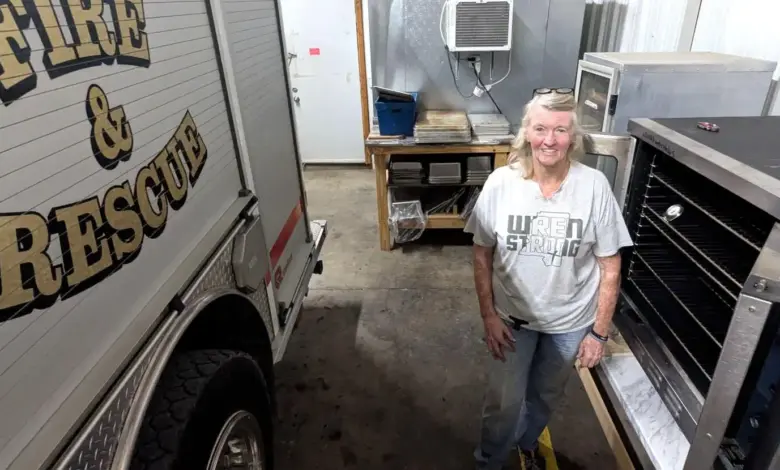
The 2011 disaster also left a practical legacy in places that have faced repeated storms since then. In Wren, a community in Monroe County, local residents and first responders have treated the April 27 outbreak as one of several lessons in preparing for the next emergency. The area has faced later tornado impacts as well, including a March 2023 EF-3 tornado and an EF-0 tornado last March, with Wren Cemetery Road struck in both the 2011 outbreak and the more recent storm.
That pattern underscores why the memory of tornadoes in Alabama is not only historical but operational. For communities that have been hit more than once, each disaster becomes part of a wider record of response, recovery and readiness. The 15-year mark is therefore not simply about looking back; it is about recognizing how long the consequences remain visible in homes, roads and daily habits.
Looking beyond the anniversary
As Alabama marks 15 years since April 27, the focus falls on both the scale of the outbreak and the people who still carry it with them. The day remains fixed in memory because of what it took, what it damaged and what it changed. The larger question is how communities preserve those lessons as the next severe weather season arrives, and whether the memory of tornadoes can continue to shape preparedness as strongly as it shapes remembrance.