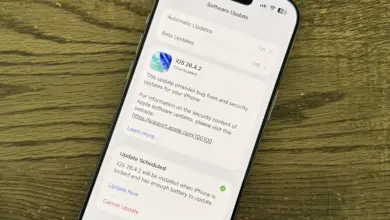
The ios 26. 5 release may look incremental at first glance, but its changes point to something larger: Apple is refining core iPhone features that affect how people message, search, and subscribe. The update is expected to touch three popular apps in ways that could matter well beyond beta testers. At the center is a messaging upgrade tied to encrypted RCS, a change that could improve security without ending the familiar green bubble experience. Apple Maps and the App Store are also getting practical additions.
Why the ios 26. 5 release matters now
This update arrives with a mix of privacy, discovery, and payment changes rather than a headline-grabbing redesign. In Messages, Apple has added end-to-end encrypted RCS messaging in beta. Apple’s fine print says encryption is still in beta and is not available for all devices or carriers. It also says encrypted conversations cannot be read while they are sent between devices. That distinction matters because RCS is already positioned as the better option for green bubble chats, offering more iMessage-like features than SMS.
The ios 26. 5 release also comes after Apple previously tested the same RCS upgrade in iOS 26. 4, then removed it before launch. In this case, no similar warning has been attached to the newer build, which suggests the feature is more likely to survive to release. The broader implication is clear: Apple is not replacing SMS-style messaging overnight, but it is tightening the security layer around a system many users already depend on every day.
Messages, Maps, and subscriptions: the practical changes
The messaging change is the most significant of the three. Encrypted RCS is still standards-based, so it will not behave exactly like iMessage, and it will not erase green bubbles. But it does add a stronger privacy option to a part of the iPhone experience that has long lagged behind Apple’s own blue-bubble system. The ios 26. 5 release may therefore be less about replacing texting than making a common form of texting less exposed.
Apple Maps is getting its own update through a new Suggested Places feature. Every time a user taps into the search field, the app will recommend two places. Apple says the suggestions are based on several factors, though the exact formula is not spelled out. There is also a longer-term commercial angle: Apple says one of those Suggested Places slots could eventually include promoted locations. For now, the feature seems designed to help users discover places without cluttering the app.
The App Store change is more technical but potentially important for developers and subscribers. Apple is adding a new annual subscription option split into 12 monthly payments, described as a monthly plan with a 12-month commitment. That structure may appeal to users who want the lower effective cost of an annual plan without paying the full amount upfront. For services, it could make longer-term sign-ups easier to convert.
What is happening beneath the surface
These updates suggest a careful balancing act. Apple is improving features users already understand, rather than introducing entirely new behaviors. In Messages, the company is extending encryption in a way that still depends on carriers and device support. In Maps, it is making search more helpful while leaving room for future monetization. In the App Store, it is adding a payment model that could fit between monthly flexibility and annual savings.
That pattern matters because it shows how Apple tends to evolve the iPhone: not through abrupt breaks, but through layered changes that preserve familiar habits. The ios 26. 5 release fits that pattern closely. It keeps RCS, keeps green bubbles, keeps search intact, and keeps subscription billing recognizable. But within those familiar frames, it changes how secure, discoverable, and flexible those experiences can be.
Expert views and the broader messaging picture
Apple’s own language underscores both the promise and the limits of the encryption change. The company says encrypted RCS conversations are protected end-to-end only when the necessary device and carrier support is present. That means the feature improves privacy without guaranteeing it everywhere. In practical terms, users will still need to pay attention to whether a conversation is labeled encrypted.
The messaging stakes are part of a larger conversation among government agencies and platform providers about secure communication. Apple’s upgrade does not remove the need for caution around unencrypted texts; it simply brings one more layer of protection into a widely used system. For users who have been told to stop texting in favor of encrypted platforms, the update is a reminder that the gap between convenience and security is narrowing, but not disappearing.
Regional and global impact on iPhone users
For iPhone users across markets, the effects will vary depending on carriers and device support. That makes the ios 26. 5 release more meaningful in some conversations than others. In regions where RCS support is stronger, encrypted messaging could be more visible and more useful. Where support is patchier, the feature may feel uneven, even if it is technically present.
The Maps changes also have a broader reach because search and local discovery are universal habits on smartphones. A feature that surfaces Suggested Places could shape how users find nearby businesses and services. Meanwhile, the new subscription model could quietly influence how digital services package pricing, especially for products that want the commitment of an annual plan without the upfront shock.
Apple has not said when it will release iOS 26. 5 to the general public. Until then, the update remains a study in measured change: not a reinvention of the iPhone, but a tightening of the tools people use most. If Apple can make texting safer, search smarter, and subscriptions easier to choose, what else might the next update hide in plain sight?