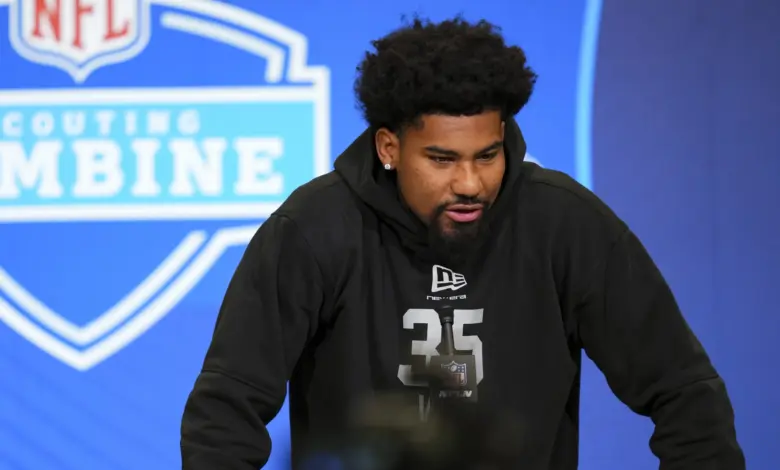
de’zhaun stribling became the center of the San Francisco 49ers’ opening move on the second day of the NFL Draft, a choice that said as much about the team’s broader plan as it did about one receiver’s upside. After trading down twice on Thursday night, San Francisco stayed put at No. 33 and used the pick on Ole Miss wide receiver De’Zhaun Stribling.
What happens when the board pushes a team into patience?
The 49ers entered the draft with the 27th overall pick, then moved down twice to add more draft capital for the final two days. That set up a familiar draft posture: flexibility first, selection second. Instead of forcing a deal at the top of round two, the team kept the selection and made its first pick on Friday.
That matters because this was the third time in the past 30 drafts that San Francisco did not make a first-round pick. The last two times came in 2022 and 2023 after the franchise had already traded those first-rounders to move up for quarterback Trey Lance in 2021. In that sense, the Stribling pick is less an isolated move than another sign that the 49ers are comfortable managing the draft by accumulating options and choosing when value is right.
What does De’Zhaun Stribling change on offense?
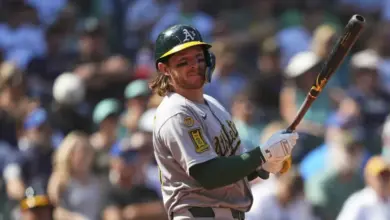
On the surface, the answer is simple: he gives the 49ers another young receiver. But the timing makes the selection more revealing. San Francisco added veteran receivers Mike Evans and Christian Kirk in free agency, yet still opted to continue building long term at the position alongside 2024 first-round pick Ricky Pearsall.
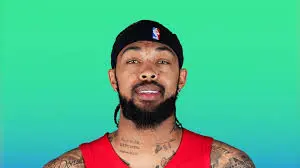
The context around Brandon Aiyuk is the clearest reason. Aiyuk signed a four-year, $120 million extension before the 2024 season, but an injury and his decision to leave the team last season pushed the 49ers toward another direction. Aiyuk is expected to be cut, or possibly traded, in the coming days or weeks. Against that backdrop, de’zhaun stribling is not just depth; he is part of a contingency plan.
Stribling’s college path also fits the team’s interest in a player with multiple stops and a productive final season. He spent his first two college seasons at Washington State, the next two at Oklahoma State, and then joined Ole Miss last season. He finished with 55 catches for 811 yards and six touchdowns, helping the Rebels reach the semifinals of the College Football Playoff.
What if the 49ers had traded down again?
That question hangs over any pick at No. 33, because the first selection of the second round often becomes a trade zone. The 49ers were linked to trade chatter, and the team reportedly had not yet received an offer it liked. Staying at the spot suggests the market did not match their valuation.
Here is the simplest way to frame the choice:
- Best case: Stribling becomes a long-term contributor while the 49ers retain enough draft capital to keep adding later.
- Most likely: San Francisco gets a useful receiver piece while continuing to reshape the room around Pearsall and the possible loss of Aiyuk.
- Most challenging: the team misses the chance to extract more value by moving down again, and the receiver room remains unsettled.
The key is that none of these outcomes depend on hype alone. They depend on whether the 49ers can convert flexibility into usable roster value across the rest of Day 2 and beyond, with two more picks still on Friday at No. 58 and No. 90, plus three fourth-round picks and one fifth-rounder remaining.
Who wins, who loses, and what comes next?
The immediate winner is Stribling, who lands in a situation where opportunity is opening. The 49ers also benefit if he develops into a dependable option, because they are clearly preparing for a future in which the receiver depth chart changes again. Evans and Kirk address the present, but the front office acted as if the long-term answer still needed another layer.
The biggest uncertainty belongs to Aiyuk’s status. If he is cut or traded, the Stribling pick becomes easier to understand as a hedge against disruption. If Aiyuk stays, the selection still makes sense as depth, but it will be judged more on development than on immediate role.
For the 49ers, the broader message is straightforward: they did not wait for perfect trade value, and they did not wait for the board to dictate their plan. They chose a receiver, kept their remaining capital, and continued shaping the offense around multiple timelines. That is where de’zhaun stribling fits best — as part of a deliberate reset rather than a one-pick answer.
What readers should watch now is not only whether Stribling produces, but whether San Francisco uses the rest of its picks with the same blend of patience and conviction. The draft is rarely decided by one move, and de’zhaun stribling may end up being remembered as the first clue in a much larger adjustment.