Microsoft Gaming is being pulled back into Xbox at a moment when the company is openly admitting that the old model is no longer enough. The shift is not just cosmetic. It comes alongside a broader internal message that Xbox must become more affordable, more open, and more consistent across console, PC, mobile, and cloud.
What is Microsoft Gaming trying to fix?
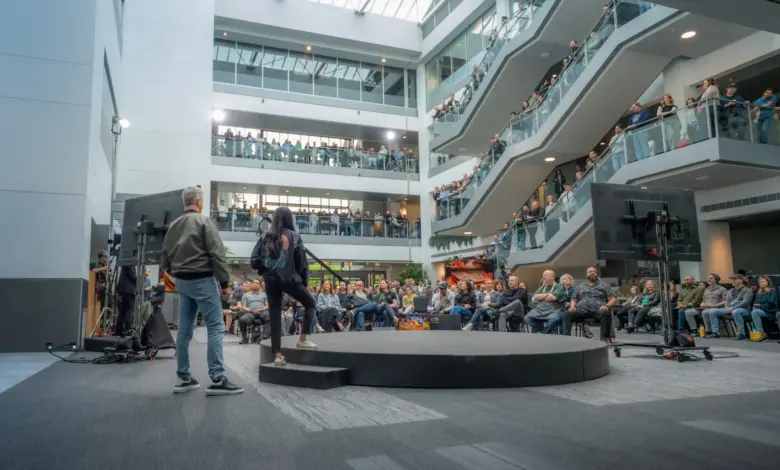
Verified fact: Asha Sharma, Xbox CEO, told employees in an internal town hall that Microsoft is returning to the Xbox name for its gaming division instead of Microsoft Gaming. She said, “Xbox needs to be our identity, ” and framed the change as part of a “return of Xbox. ”
The timing matters because the company had only used Microsoft Gaming after the Activision Blizzard acquisition plan was announced in 2022. That naming change was meant to reflect a wider gaming footprint across Xbox, PC, mobile, and cloud. The reversal suggests that the brand structure itself is now being treated as part of the problem, not just a label on the door.
Informed analysis: When a division changes its name twice in a short stretch, it often signals more than branding. It points to a search for a clearer center of gravity. In this case, the center appears to be Xbox as both a consumer identity and an internal rallying point.
Why does the internal memo sound like a warning?
The internal message sent to Team Xbox employees globally makes the challenge explicit. It says new feature drops on console have been less frequent, the company’s presence on PC is not strong enough, pricing is getting harder for people to keep up with, and core experiences such as search, discovery, social, and personalization still feel too fragmented.
The memo also says developers and publishers want better tools, better insights, and a platform that helps them grow faster. It adds that a new generation of players expects more content in familiar places, wants to shape the worlds they play in, and wants to create and socialize together rather than only play together. The company says these changes are happening while the industry reshapes around it.
Verified fact: The memo states that Xbox reaches over 500 million players around the world and that the industry is becoming increasingly global and competitive. It also says more than half of the market’s revenue, players, and growth are happening outside the company’s core markets.
Informed analysis: Those details explain why Microsoft Gaming is being folded back under Xbox’s older, more familiar identity. The message is not only that the brand is changing. It is that the company believes its current structure, product pace, and user experience are not aligned with the market it says it now faces.
Who benefits from the “return of Xbox”?
Verified fact: Sharma reversed a decision to add future Call of Duty titles to Xbox Game Pass, a move described inside the company as something that had been debated and never made sense. She also announced that a new Xbox logo has started appearing on Microsoft’s campus, and that the company has been using the new branding in internal Project Helix materials.
The internal environment has been visually reinforced as well. The walls of Xbox offices now carry phrases such as “return of Xbox, ” “great games, ” and “future of play. ” The same message appeared in Sharma’s earlier memo to Xbox employees in February.
Informed analysis: The beneficiaries are easy to identify. Employees are being given a narrower identity to rally around. Players are being told that the company wants to place them first. And leadership is gaining room to present difficult changes as corrections rather than reversals.
But the change also implies that Microsoft Gaming, as a broader corporate framing, may have obscured the emotional and commercial value of the Xbox name. In that sense, the rebrand is a strategic admission: the brand that matters most is the one players already recognize.
What does the bigger reset mean for players and creators?
The memo says Xbox will be where the world plays and creates. It promises a global platform that connects players and creators everywhere, with console as the foundation and cloud extending the experience to any device. It also says the goal is to let players keep their games, progress, friends, and identity across console, PC, mobile, and cloud.
The company says Xbox will be built to be affordable, personal, and open. It promises flexible pricing, customization, and tools for creators ranging from individuals to large studios. The underlying message is that Microsoft Gaming is no longer being presented as a separate umbrella with its own logic. Instead, Xbox is being recast as the operating identity for the entire effort.
Critical reading: That is a meaningful shift because it places the brand at the center of the turnaround, not on the margins. It also creates a higher bar. If Xbox is now the identity, then every weak feature drop, fragmented search tool, or confusing price point will read as a failure of Xbox itself.
Accountability question: The company has made a public case that it is rebuilding around players, creators, and flexibility. What remains to be clarified is how that promise will show up in product quality, platform coherence, and pricing without being diluted by the next internal reset. For now, Microsoft Gaming is disappearing as a label, but the pressure that forced that change is still there, and the success of the return of Xbox will be measured by whether it fixes the problems named in the memo, not by the new sign on the wall.