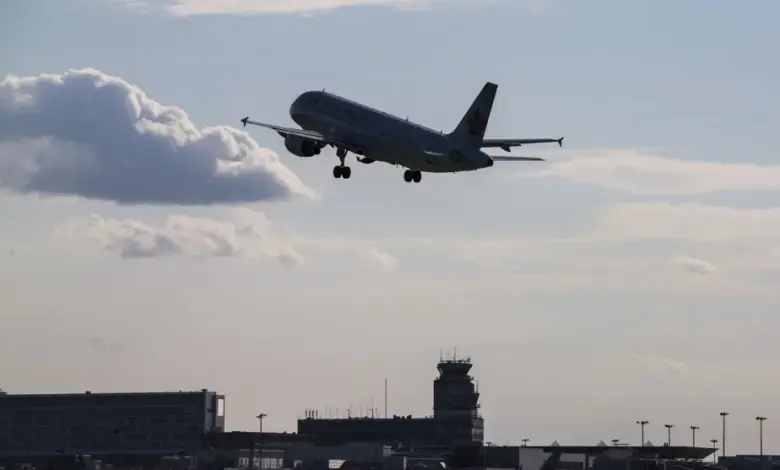
air transat vols are being cut back as the airline reduces capacity by 6% between May and October, a move that adds new uncertainty for travelers heading into the summer season. The latest changes reflect pressure from fuel volatility and supply constraints that are already forcing carriers to rethink what they can fly and when.
Why are Air Transat Vols being reduced?
The carrier has lowered its 2026 program in response to the current fuel crisis and what Transat A. T. called exceptional volatility in energy markets. The company has not identified which routes will be removed, but it says frequencies will be reduced on some services to Europe and the Caribbean. The company also said it is prioritizing the routes with the strongest performance while maintaining operational discipline.
That retreat is part of a wider pattern. Across the sector, airlines are facing a sharp rise in fuel costs and supply constraints in certain regions, including Cuba. Air Transat has extended its suspension of service to Cuba until October. It has also postponed the launch of flights to Accra, Ghana, from Toronto.
What does this mean for travelers?
For passengers, the immediate effect is less choice. A reduced schedule can mean fewer departures, less flexibility when booking, and a tighter fit between travel plans and available flights. In practical terms, a route that once offered multiple options may now operate with fewer frequencies.
John Gradek, an aviation expert and lecturer at McGill University, said the pressure is unlikely to disappear quickly. He warned that the current period is only a small wave and that there is more to come, adding that the summer could be turbulent. His example was direct: a Montreal-Paris Air Transat service could move from two daily flights to one.
That shift matters not only to travelers but also to families, vacationers, and those who plan around fixed dates. When airlines trim capacity, they are not just changing schedules; they are narrowing the room people have to adapt.
How is the company responding to the pressure?
Transat A. T. says the changes are meant to protect the routes with the best performance while allowing the company to navigate an exceptional market. Annick Guérard, president and chief executive officer of Transat, said the recent volatility in jet fuel is part of an exceptional context affecting the entire sector. She also said additional measures could be introduced depending on how the situation develops, independent of the company’s control.
That caution matters because the cutbacks are not isolated. Other Canadian carriers have also adjusted their schedules, and the broader aviation market is contending with the same fuel pressure. The result is a summer that may feel less predictable for anyone trying to book ahead.
What should travelers watch next?
The key question is whether the reductions stay limited or spread further if fuel conditions worsen. For now, the company has framed the changes as a targeted response, not a wholesale retreat. Still, a 6% cut is large enough to be felt by travelers who rely on fixed routes and seasonal demand.
At the airport, the story may unfold quietly: a fewer number of departures, a changed booking screen, a route that no longer leaves every day. On paper, that is an operational adjustment. In real life, it can mean a missed weekend, a different connection, or a vacation reshaped before it begins. For Air Transat Vols, the summer is now defined not just by where people want to go, but by what the airline can still keep in the air.