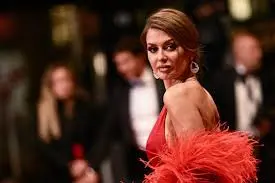
Victoria Bonya has triggered an unusual moment in Russian politics: a celebrity voice, not an official one, forced the Kremlin to publicly address complaints many regional leaders would not raise themselves. Her viral video, viewed 26 million times in four days, came as Vladimir Putin’s approval ratings recorded a sixth straight weekly decline. The message was stark. People, she said, are afraid. Artists are afraid. Governors are afraid. And if that fear keeps building, the pressure could eventually break.
Why Victoria Bonya’s criticism cut through now
The timing matters. Bonya’s comments landed while Russia is already facing signs of growing strain, including declining approval and trust ratings for Putin that have fallen to their lowest levels since the February 2022 invasion of Ukraine. In that environment, a public critique from a household-name blogger can do more than attract attention: it can expose how narrow the space has become for voicing complaints inside the system. The video did not attack Putin directly, but it did put the state’s anxieties on display. That restraint may be part of what made the message so potent.
Bonya listed problems she said regional officials would not dare raise directly with the president: flooding in Dagestan, oil pollution along the Black Sea coast, livestock culls in Siberia, internet blackouts, and pressure on small businesses from higher prices and taxes. The accumulation of grievances gave the video its force. It was not a single complaint but a portrait of multiple stresses arriving at once.
What the Kremlin response reveals
Moscow’s public acknowledgment of the criticism was unusual. work was underway to address the problems Bonya identified. That response matters because it suggests the Kremlin recognized the political risk of appearing detached from everyday concerns. The state has long used a familiar narrative in which Putin is portrayed as a “good tsar” kept in the dark by lower-level officials. In that framing, blame can be redirected downward while the president remains above the mess.
But Bonya’s intervention complicates that script. By focusing on practical grievances rather than direct ideological confrontation, the victoria bonya story became less about celebrity activism and more about how public frustration is being managed. The significance is not just that a blogger spoke out. It is that the authorities felt compelled to respond at all, suggesting the complaints were too visible to ignore.
Deep analysis of the pressure building beneath the surface
Analysts cited in the context point to a country where war fatigue is increasingly visible. Andrei Kolesnikov, a Moscow-based political scientist and author of a recent book on Putin’s ideology, said war fatigue is starting to set in and that more people are connecting present-day problems to the war. He said it is becoming harder for the authorities to explain away the war’s effects on ordinary life, including economic slowdown and tighter internet restrictions.
That helps explain why the victoria bonya video resonated beyond the celebrity sphere. Her warning that people are being “squeezed into a coiled spring” captured a broader sense of pressure without naming an endpoint. The metaphor is revealing because it suggests not a sudden political collapse, but an extended process in which frustration accumulates until it becomes difficult to contain.
Abbas Gallyamov, an exiled former Putin adviser, argued that public appeals from celebrities can widen dissatisfaction by reaching audiences not typically drawn into opposition politics. In his view, Bonya is bringing a new audience into that space. The analysis here is straightforward: a celebrity critique matters less for its tone than for its reach. When the messenger is widely known, the message can travel farther than an ordinary complaint.
Expert perspectives and broader implications
Bonya’s comments also intersect with the political calendar. The context raises speculation that the response may be shaped by parliamentary elections later this year, even though the criticism stopped short of directly targeting Putin or the war in Ukraine. Whether spontaneous or strategically useful, the episode shows how public grievances are being folded into the state’s political messaging.
There are also broader implications for how Russia’s leadership is reading the public mood. Putin pressed top officials and the central bank at a meeting on Wednesday to explain why economic performance has fallen short of expectations. That detail matters because it places the celebrity backlash inside a wider picture of strain rather than treating it as an isolated social-media moment.
- 26 million views in four days
- More than 1. 3 million likes in four days
- Sixth consecutive weekly decline in Putin’s approval ratings
- Lowest approval and trust ratings since February 2022
For now, the significance of victoria bonya lies in what it reveals about the mood inside Russia: fear, pressure, and a growing difficulty in keeping discontent neatly compartmentalized. If the state is now publicly answering a celebrity’s warning, what does that say about how much louder the next wave of criticism could become?