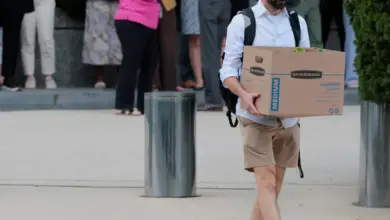
Uber is testing a simple idea with large implications: if customers can order retail items through uber, they may now be able to send them back without leaving home. The new returns feature in the Uber Eats app begins with eligible purchases from participating stores and ends with an instant refund once a courier collects the item.
The move is more than a convenience upgrade. It shows a company that is trying to make its app useful for tasks that sit outside food delivery and ride-hailing. The question is not whether the feature works. It is what this says about Uber’s larger push to become a daily utility rather than a single-service platform.
What exactly is Uber offering to shoppers?
Verified fact: Uber launched a returns feature on Friday that allows customers to return purchased items without leaving home. The service is accessed through the Uber Eats app. Customers go to order history, tap “Return an Item, ” select the product, explain the reason, and complete the process by choosing “Return with a Courier. ”
The item must be eligible and must fit the store’s return policy. Once the courier picks it up, Uber Eats instantly processes a refund. Return fees are based on the courier’s time and distance. If a customer prefers to take the item back personally, that option remains available at no additional cost.
Analysis: The design is deliberate. Uber is not just reducing friction; it is packaging returns as another on-demand action, much like food or package delivery. That matters because it turns a post-purchase problem into another transaction inside the app, keeping the customer inside uber’s ecosystem.
Which retailers are included at launch, and what are the limits?
Verified fact: At launch, the service is available for thousands of retail locations in the U. S. Participating retailers include At Home, Best Buy, Dick’s Sporting Goods, GNC, Michael’s, Pet Food Express, Pacsun, Petco, and Target. Uber said more retailers will be added in the future.
There are also limits. Customers can only return eligible retail items purchased on Uber Eats, and they must follow each retailer’s return policy. Uber also placed a price floor on the service: customers can only return items with retail prices above $20.
Analysis: The price threshold suggests the service is designed to cover items where the convenience of a courier can justify the fee. That makes the model selective rather than universal, which may help Uber control costs while testing demand. The scale, however, is still notable: thousands of retail locations is not a pilot in the narrow sense, but a broad rollout with clear boundaries.
Why does this matter beyond a single feature?
Verified fact: Uber said the new returns feature is part of a wider effort to add “stickiness” to its app by offering services beyond its core ride-hailing and delivery businesses. Uber has experimented before with services outside those core lines, including Uber Connect, which can pick up and deliver packages, and Uber Direct, which delivered items from select retailers to customers’ doorsteps.
Uber’s peer-to-peer package delivery service later expanded with a “Return a Package” option that allowed customers to send up to five packages at a time to a post office, UPS, or FedEx location.
Analysis: The throughline is clear. Uber is building a broader logistics layer around its app, and returns fit that pattern. In practical terms, returns create another reason to open the app after purchase, not just before checkout or during delivery. In strategic terms, the company appears to be using convenience as a way to deepen use across more parts of a shopper’s routine.
Who benefits, and who is left carrying the risk?
Verified fact: Customers gain an instant refund and avoid a trip to the store. Uber gains another service that may increase app use. Retailers remain bound by their own return policies, and couriers are part of the process when customers choose pickup.
The service also introduces a fee structure that depends on time and distance. That means convenience is not free, even when the user never leaves home. The customer can still return items directly to the store at no additional cost, which keeps the store-based option in place.
Analysis: The feature shifts the experience of returns from a chore into a paid convenience layer. That benefits customers who value time and may benefit Uber if the feature encourages more frequent app use. But it also means the economics of returns are being formalized inside the platform, rather than remaining a simple back-end retail process.
Uber’s own framing makes the company’s intention plain: it wants the app to handle more of the shopping cycle, from purchase to return. The feature may look small, but it signals a larger ambition. If the company can make home pickup for returns feel routine, uber will have moved one step closer to becoming an all-purpose logistics app rather than a transportation brand with extras.
The public should watch how widely the service expands, how the fee structure shapes usage, and whether the convenience story remains aligned with retailer policies and customer expectations. On the evidence available now, the key issue is not simply that returns are easier. It is that uber is trying to own yet another moment in the life of a retail purchase.