mer rouge has moved from a geographic chokepoint to a central pressure point in the wider Middle East crisis. Iran’s warning that it could block maritime traffic there if the United States keeps a blockade on Iranian ports comes at the exact moment when the cease-fire is already under strain and talks are still unresolved.
What happens when the cease-fire is tested from two directions?
The current moment is a turning point because the same day one front seems to cool, another opens. The cease-fire in force since 8 April is meant to hold after more than five weeks of war that began on 28 February with American and Israeli strikes on Iran. But the truce is now being weighed down by maritime threats, pressure on ports, and continuing military action elsewhere.
President Donald Trump said the war may be close to ending and suggested that talks could resume this week. Iran, for its part, said the two sides are still communicating through Pakistan. The message from both capitals is not identical, but it does show that diplomacy has not stopped even as military leverage increases.
What if the Red Sea threat becomes part of the bargaining table?
The immediate issue is not only whether the cease-fire survives, but whether sea lanes become an extension of the dispute. Iran said it could move against traffic in the Red Sea if Washington continues blocking Iranian ports. It also warned that if the United States keeps creating insecurity for commercial ships and tankers linked to Iran, that would amount to a prelude to violating the cease-fire.
That warning matters because the Red Sea is a key route for global commerce, even though Iran does not border it. Any threat there would not stay confined to the Iran-United States track. It would spread into shipping risk, insurance concerns, and the wider perception that the region is entering a phase where maritime pressure becomes a negotiating tool.
What if the talks keep going but the battlefield does not quiet down?
There are three plausible paths from here, each tied to signals already visible in the current standoff.
| Scenario | What it looks like | Signal to watch |
|---|---|---|
| Best case | Talks continue through Pakistan and produce a durable end to the war | Reduced pressure on ports and no move against shipping |
| Most likely | Negotiations continue, but the cease-fire remains fragile and politically exposed | Public threats continue while back-channel contact survives |
| Most challenging | Maritime disruption expands and the cease-fire starts to unravel | Action against shipping or further strikes widen the crisis |
The most important signal is that the cease-fire has not yet collapsed despite the failure of the first round of discussions in Islamabad. That failed round did not end the truce, and it did not end communication. This is why the situation remains unstable rather than resolved.
What happens when pressure shifts to the other fronts?
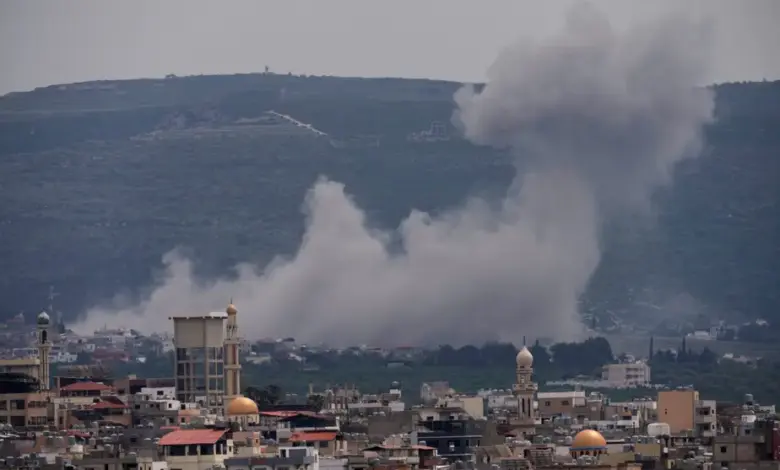
The Lebanon theater adds another layer of uncertainty. Israel does not consider Lebanon covered by the truce with Iran, and hostilities there continue despite discussions between Israeli and Lebanese ambassadors in the United States. Israel said it struck more than 200 Hezbollah targets in the previous 24 hours. That keeps the conflict active on multiple tracks at once.
For the parties involved, the forces reshaping the landscape are clear. Military pressure is being used to shape diplomacy. Maritime access is being used as leverage. Political communication is continuing even while strikes continue. In this environment, the gap between words and actions is wide enough to keep markets, governments, and regional actors on alert.
Who gains leverage, and who absorbs the risk?
For now, the actors with the most leverage are those able to threaten disruption without immediately crossing the threshold into a full breakdown. The United States is using port pressure. Iran is responding with threats to sea traffic and by keeping talks alive through Pakistan. Israel is maintaining military pressure in Lebanon. None of these moves is decisive alone, but together they raise the cost of miscalculation.
- Governments face higher diplomatic pressure to prevent escalation.
- Shipping interests face the most immediate exposure if Red Sea threats become operational.
- Regional states around the Gulf face spillover risk from any widening maritime disruption.
- Civilians remain exposed to the consequences of a conflict that is still active on land and at sea.
The uncertainty is real: no side has yet chosen a full break, but each is testing how far the others will go. That is what makes the present phase so dangerous. If the cease-fire holds, it will likely be because diplomacy outpaces escalation. If it fails, the trigger may come through ports, shipping lanes, or another front that was supposed to stay separate. For readers trying to understand the next move, the central question is whether mer rouge remains a warning or becomes the next theater of pressure.