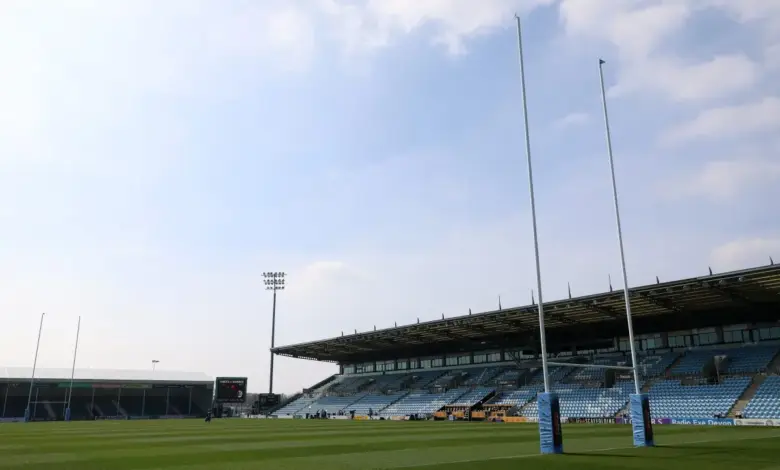
On a match day in Devon, the focus is usually on the pitch, the tempo, and the crowd watching from Sandy Park. But for rugby union at Exeter Chiefs, the most important moment this month may happen far from the try line: members will vote on a proposed takeover by an American backer at a special general meeting early next month.
The club has finalised the deal, but it still needs the approval of its 700 members. For Exeter, the vote is more than a procedural step. It is a test of whether a club built over decades of local backing can move into a new financial era without losing the identity that carried it to the top.
Why does the vote matter now?
Exeter Chiefs have spent the past 30 years with Tony Rowe at the centre of their funding story. He has been key to supporting the club, but has made clear he can no longer keep doing so in the long term. He has also declined to comment on the specifics of the proposal until he has outlined the plans fully to members.
The urgency comes from the numbers as much as the ambition. Exeter’s latest accounts showed more than £10m in post-tax losses, and the club posted an annual loss of £10. 3m last year. That financial pressure has made fresh investment less a luxury than a necessity.
For supporters, that can be hard to hear. Exeter have been more than a balance sheet; they are a club that reached the Premiership through a two-legged play-off win over Bristol in 2010, then went on to lift an English and European title double a decade later. Their story has been one of ascent, not survival. Yet the current moment asks them to think about stability first.
How is rugby union changing around Exeter Chiefs?
The Exeter Chiefs vote arrives in the middle of a wider rush for capital across rugby union. Newcastle were bought by Red Bull in August, and Sir James Dyson became co-owner of Bath in March after investing new capital. Prem Rugby is also preparing for a franchise-style future, with relegation set to be removed from the top flight next season.
That shift matters because it changes how clubs are judged by investors. A league with more certainty is easier to sell to backers who want long-term planning rather than the risk of dropping down a division. Prem officials believe that certainty will help attract new money, and there are plans to add two more teams by 2029, with an ambition to reach 20 sides by 2040.
In that environment, Exeter are not alone in looking outward. Prem Rugby has recruited the investment bank Raine and consultant Deloitte to help pitch the league and its clubs around the world. For rugby union, the field is no longer just the pitch; it is the market for ownership itself.
What do the club’s current figures tell us?
The club’s recent form shows a split picture. After a miserable ninth-place finish in 2024-25, Exeter have recovered this season and now sit fourth in the league. They have also reached the semi-finals of the European Challenge Cup. That improvement gives the club some sporting momentum at the same time as its financial future is being reconsidered.
Rob Baxter, the Chiefs’ director of rugby, has signed a new extended contract. It is understood that Rowe would stay on under new American ownership if the deal receives the go-ahead. That continuity may reassure members who want change without a full break from the club’s recent identity.
The proposed investor has not been named publicly in the material available, but Rowe has said the proposal is for members to accept and that the investor wants to get involved in English rugby. The word “meaningful” has also been used by insiders to describe the expected scale of the investment, suggesting the deal is intended to do more than patch over short-term losses.
What are members being asked to decide?
At the extraordinary general meeting on 7 May, Exeter’s members will be asked to support the move to sell the 155-year-old club and unlock fresh funding. That decision is unusually direct: accept new ownership, or preserve the status quo and confront the financial pressures already on the books.
For members, the choice is not only about ownership structure. It is about whether rugby union at Exeter can keep competing at the level it has reached while adapting to a changing league around it. The club’s history suggests it can survive transformation. The question is whether this one feels like renewal or surrender.
Back at Sandy Park, the stands will keep filling, the players will keep running out, and Henry Slade and Immanuel Feyi-Waboso will still be part of the conversation on the field. But off it, the future of Exeter Chiefs may soon depend on a vote that links a proud local club to the next chapter of rugby union.