Spirit is entering a decisive stretch as it works to complete asset sales, secure court approval, and stay on track for a planned summer exit from Chapter 11. The latest filings show a carrier trying to convert noncore assets into cash while keeping operations steady enough to reach its target emergence window in early summer 2026 ET.
What Happens When the Asset Sales Become the Story?
Spirit Airlines has named the successful bidder for 20 Airbus A320 family aircraft and has also advanced a ground-lease restructuring tied to a large maintenance hangar at Detroit Metropolitan Wayne County Airport. The aircraft sale remains subject to bankruptcy-court approval, with a hearing scheduled for April 23 and objections due by April 16 ET.
The buyer, CSDS Asset Management LLC, had already been identified as the stalking horse bidder in February. The sale agreement set a floor price of $533. 5 million and allowed other qualified bids until April 1, but none emerged. That leaves the court to review a transaction that Spirit says supports its effort to right-size its fleet and reduce costs.
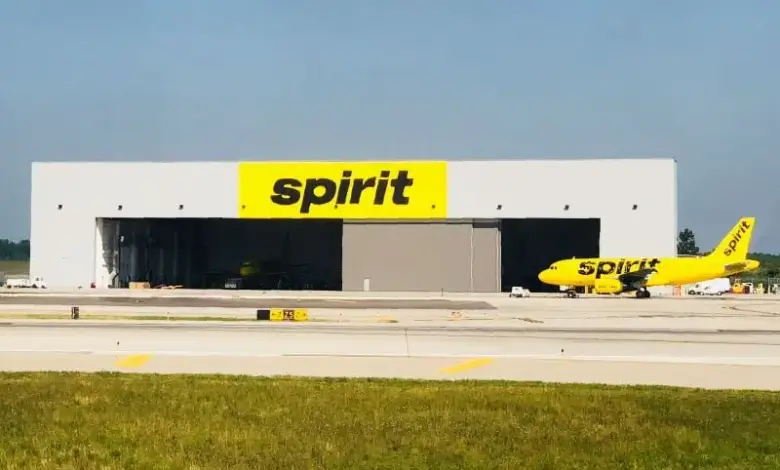
The hangar transaction is equally important, if less visible. In a newly disclosed letter of intent, the Wayne County Airport Authority agreed to buy out Spirit’s associated ground lease, take full title to the hangar and leasehold rights, and then lease the facility back to the airline under new terms. Spirit said the structure would give it $18 million in cash now while allowing operations to continue at the airport in the ordinary course.
What If the Restructuring Gains Momentum?
The current state of play shows a company leaning on multiple tools at once: asset divestments, labor agreements, and network optimization. Spirit filed a Restructuring Support Agreement on March 13 and told the court on March 1 that its goal remains plan confirmation at the scheduled May 27, 2026, confirmation hearing and emergence from Chapter 11 by early summer 2026 ET.
That timeline matters because the company is operating under clear pressure. Spirit warned in a year-end report released in March that higher jet fuel costs are expected to have an immediate and substantial negative impact on results of operations. It said that if the challenge persists, it could disrupt agreements with creditors, labor unions, and certain lessors, which could prolong the Chapter 11 case or even force liquidation.
At the same time, the airline is facing a wider industry environment in which higher fuel costs are pushing carriers to raise fares. Spirit’s filings suggest the company is trying to preserve enough liquidity and flexibility to stay on course, even as the economics remain volatile.
| Key development | Current status | Why it matters |
|---|---|---|
| 20 Airbus A320 family aircraft sale | Buyer named; court approval pending | Helps Spirit shrink and reshape its fleet |
| Detroit hangar lease restructuring | Letter of intent disclosed; approval pending | Adds $18 million in cash and preserves operations |
| Chapter 11 timetable | Confirmation hearing set for May 27, 2026 ET | Sets the pace for a possible summer exit |
| Fuel-cost pressure | Persisting risk in filings | Could affect creditor, labor, and lessor negotiations |
What If the Court Narrows the Path?
The most likely outcome is that Spirit continues to trade assets for runway while trying to satisfy the conditions of its restructuring plan. In that case, the fleet sale, hangar deal, and earlier network moves would give the company a cleaner balance sheet and more liquidity, but not eliminate risk.
The best case is straightforward: court approvals arrive on schedule, the company secures the remaining agreement points, and Spirit exits Chapter 11 by early summer 2026 ET with a smaller, more cost-aligned operation. The company itself has framed the asset divestment as a way to improve its financial position at a critical stage.
The most challenging scenario is also clear in the filings: if fuel costs stay elevated and negotiations weaken, the process could stretch beyond the current timetable. That would raise pressure on cash, delay the plan, and increase the risk that Spirit’s restructuring becomes harder to complete.
Who Wins, Who Loses in This Phase?
For Spirit, the winners are the stakeholders that benefit from a more liquid, less expensive operating base if the court approves the current transactions. The airport authority also stands to gain full title and a new lease structure tied to an important asset at DTW.
Potential losers include parties expecting stability from a swift restructuring. Creditors, labor groups, and lessors face a process still shaped by fuel volatility and by the need for court approval at each major step. Passengers may not see the balance-sheet mechanics directly, but they will feel the consequences if the airline’s cost structure forces more changes to fares or network strategy.
What makes this moment notable is that Spirit is no longer just cutting costs in the abstract. It is turning specific assets into cash, and the success of that strategy will help determine how much room it has left to finish the restructuring on time.
What Should Readers Watch Next?
Three dates and one signal matter most in the weeks ahead: the April 16 objection deadline ET, the April 23 court hearing ET, and the May 27 confirmation hearing ET. If those milestones proceed cleanly, Spirit will be closer to a summer exit. If they do not, the timetable becomes harder to trust.
For now, the core message is that Spirit is trying to convert a difficult restructuring into a controlled transition. The company has named an asset buyer, advanced a leaseback that brings in $18 million, and kept its target emergence window intact. The next phase will show whether those steps are enough to carry spirit to the other side of Chapter 11.