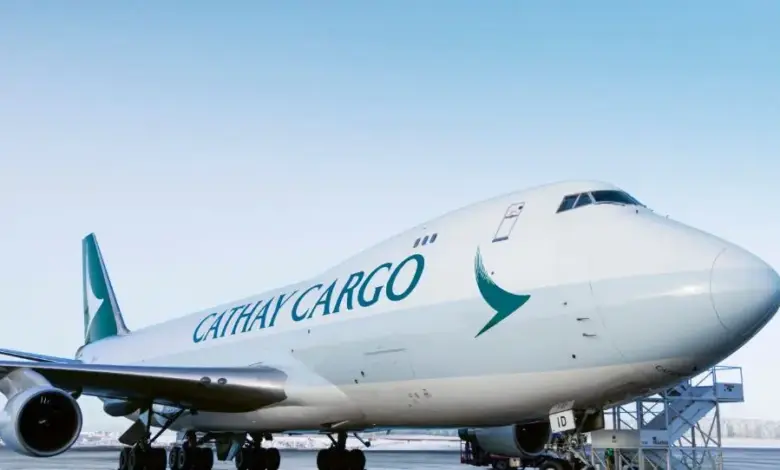
Cathay Pacific is moving to protect its network from a fast-changing crisis that is now shaping both operations and costs. The airline plans to trim around 2% of its schedule from May 16 to the end of June, while its low-cost unit, HK Express, is reducing flights by 6% from May 6. The immediate trigger is a surge in oil prices tied to the Strait of Hormuz, but the deeper issue is how quickly route disruptions and fuel supply worries are forcing airlines to make decisions before conditions worsen.
Cathay Pacific and the Middle East route squeeze
The clearest signal in the latest cutbacks is not just the size of the reduction, but its narrow focus. Cathay Pacific is keeping services between Hong Kong and Dubai and Riyadh suspended until July 31, while the Cathay Group has also suspended all regional operations in the Middle East under a separate safety-driven move. That includes passenger flights to and from Dubai and Riyadh from February 28, 2026, through May 31, 2026, plus freighter operations to and from Al Maktoum International Airport in Dubai.
For an airline balancing long-haul demand and network reliability, the choices are increasingly shaped by two pressures at once: access to airspace and the cost of jet fuel. The result is a controlled reduction rather than a sweeping retreat, but it still shows how fragile planning becomes when the operating environment changes at short notice.
Why jet fuel prices matter now
The fuel issue is central to the current adjustments. The surging cost of oil, linked to the strangulation of shipping through the Strait of Hormuz, has already pushed carriers to rethink schedules. Cathay Pacific is not alone in making those changes, and the wider market is showing the same strain as airlines try to preserve margins while keeping high-demand routes available.
The key risk is not only higher costs, but also uncertainty over supply. Even after a two-week ceasefire between Iran and the United States, only a very small number of cargo vessels are passing through the Strait. That limited movement has done little to calm concerns that jet fuel supply lines could tighten further, especially for regions that rely heavily on Middle East shipments.
Airports Council International EUROPE has warned European lawmakers that the continent could face “systemic jet fuel shortages” in as little as three weeks unless the Strait reopens on a much larger scale. The group has called for immediate mapping of jet fuel availability across Europe and the identification of alternative supply sources. That warning matters beyond Europe because the same supply routes also feed demand across Asia and Australasia, with knock-on effects reaching North America.
What the cuts reveal about airline strategy
The response from Cathay Pacific is measured, but it is also revealing. Cutting 2% of planned flying is modest on paper, yet the timing shows that even limited reductions can serve as a buffer when fuel costs threaten profitability. The airline’s decision to suspend some services to Dubai and Riyadh until July 31 suggests that network protection is now being weighed against the economics of operating through uncertain conditions.
At the same time, the smaller cuts at HK Express indicate that pressure is being spread across the group, not isolated in one brand. That broader adjustment suggests the challenge is not a single route problem but a system-wide strain on capacity planning, fuel exposure, and schedule reliability. In practical terms, the carrier is trying to keep enough flexibility to respond if conditions shift again.
Regional and global fallout from Cathay Pacific
The ripple effects are extending well beyond Hong Kong. Airlines in Asia and Europe have already trimmed schedules to conserve fuel usage, and major North American carriers have also signaled that they will reduce flying in the coming months as fuel costs rise across the industry. The shared pressure point is the same: limited supply, high prices, and no clear timeline for normalization.
For Cathay Pacific, the issue sits at the intersection of safety, economics, and network design. For the wider market, it is a warning that jet fuel shortages are no longer a distant scenario. They are becoming a planning assumption, especially where Middle East supply chains remain constrained.
As the situation evolves, the larger question is whether these adjustments are a temporary response or the first sign of a more durable shift in how Cathay Pacific and its peers build resilience into their schedules. If fuel flows stay fragile, how many more carriers will have to make similar cuts before the system resets?