In the steady hum of Apple speculation, the iphone 18 pro max is now tied to a choice that could shape how the next Pro model feels in hand: a smaller front cutout, or a design that looks much closer to the current one. A reputable leaker has posted updates on two potential changes, and both still appear to be under consideration.
That matters because the story is not about a dramatic reinvention. It is about Apple weighing whether to make visible refinements at all, after iPhone 17 Pro already brought a bolder look. For shoppers trying to decide whether the next upgrade will feel meaningfully new, the answer may depend on which direction Apple chooses.
What is changing on the front of Iphone 18 Pro Max?
The first possible change is the Dynamic Island. The latest update points to an A/B testing scenario in the supply chain: one option keeps the existing screen mold, while the other uses a “Mini Dynamic Island” with Face ID RX components positioned beneath the display.
That would align with earlier reporting that Apple is moving some Face ID components under the display, which could make the Dynamic Island about 35% smaller than the one on iPhone 17 Pro. But the new detail is caution, not certainty. The leaker had previously been the lone voice doubting that change, saying Apple may have considered reusing last year’s molds, which would mean only minimal adjustment to the front design.
For now, the picture remains open. The company appears to be balancing a smaller cutout against a more conservative path that would preserve existing tooling. For the iphone 18 pro max, that leaves the most visible front-of-phone change unresolved.
How much will the back of the phone change?
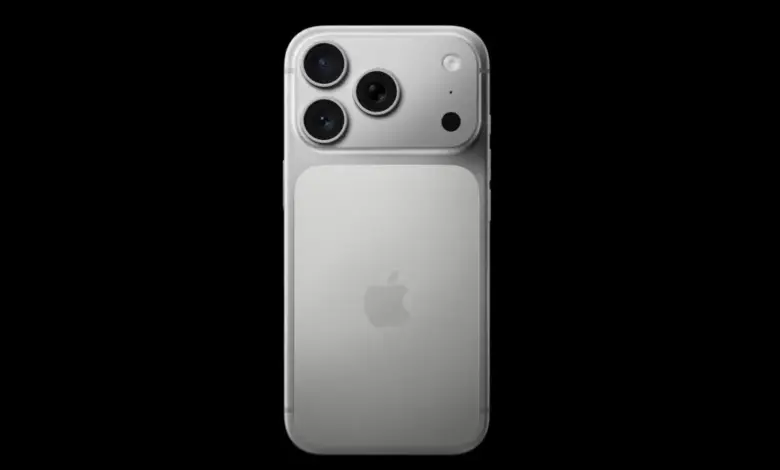
The second update is less dramatic. The rear camera plateau is said to remain rectangular and unchanged from last year. The leaker adds that the back will still receive “minor adjustments to the body materials and design details. ”
That suggests Apple is not preparing a major redesign on the rear panel. Instead, the changes seem to point toward a more uniform finish across aluminum and the glass cutout. The iPhone 17 Pro used a two-tone approach rather than a seamless one, so the latest comments hint at refinement rather than reinvention. Color options are also expected to be different this year.
Put together, the design picture is restrained. The camera shape stays familiar, the rear gets subtle material changes, and the front may or may not get a smaller island. That is a narrow set of choices, but it fits the pattern of iterative updates that often follow a more striking design year.
Why do these leaks matter to buyers?
For many people, a phone upgrade is less about a spec sheet and more about what changes are easy to see every day. A smaller Dynamic Island would be hard to miss. So would a rear finish that feels more unified in the hand. But if Apple chooses the more conservative route, the shift from one Pro generation to the next may be subtle enough to leave some buyers waiting.
There is also a practical side to the leak. If Apple is still weighing molds and display layouts, that means the design process is not settled in the public eye. The company may still be comparing a new front layout with a lower-risk path that keeps production more familiar. In that sense, the iphone 18 pro max story is as much about hesitation as it is about change.
What should readers make of the current picture?
The clearest takeaway is restraint. The front may get a smaller Dynamic Island, the back may get modest design updates, and the camera plateau appears set to stay the same. Nothing in the current updates points to a sweeping redesign.
That does not make the device unimportant. It simply means the next Pro model may be defined by fine-tuning rather than surprise. If the smaller cutout happens, it will be one of the headline changes. If it does not, Apple may be asking buyers to value consistency over novelty once again. Either way, the iphone 18 pro max now sits at the center of a familiar Apple question: how much visible change is enough to feel like progress?