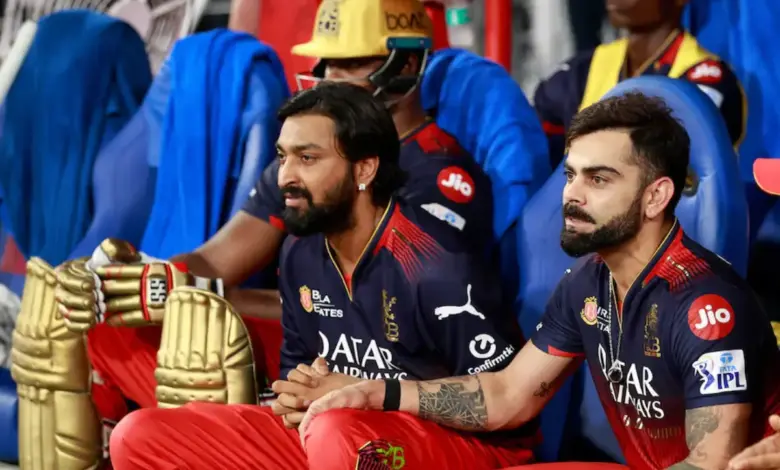
At a cricket ipl match, the bench is no longer just a waiting area. The BCCI has introduced new IPL 2026 guidelines that sharply limit where non-playing players can go, how they travel, and what they can do on match days, turning the dugout into a tightly managed zone.
What has changed for benched players?
The clearest shift is movement. Players and support staff not included in the match-day XI are no longer permitted to sit in front of LED boards, after repeated incidents of sponsor signage being damaged during warm-ups and casual practice. The sponsorship team will now mark designated spots across the field for substitutes carrying towels and water bottles, making even routine sideline duties a matter of placement and control.
The rules also reach beyond the boundary rope. All players, including those on the bench, must travel to practice sessions by team bus only. Personal vehicles are out, and separate arrangements are not allowed. Teams may travel in two batches if needed, but the bus requirement is fixed.
Why is the BCCI tightening the cricket ipl match environment?
The board’s logic is practical, even if the effect feels severe. Match-day practice sessions are banned outright, with no team allowed to use the main square or hold fitness tests on days when a game is scheduled. On non-match days, franchises get two nets in the practice area and one side wicket on the main square for range hitting. Open nets are not allowed. If one team finishes early, the other cannot step onto that pitch, even if it is unused.
There is also a broader attempt to control the match-day setting. Family members and friends cannot travel in team vehicles. They may attend matches only from the hospitality area, while the dressing room remains restricted to anyone without accreditation. The result is a more sealed-off cricket ipl match experience, where access is mapped as carefully as the playing area itself.
How do the new rules affect players, sponsors, and broadcasts?
The BCCI’s new directives also reach into the broadcast frame. Orange Cap and Purple Cap holders must wear their caps on match days. If they do not keep them on throughout, they must at least wear them for the first two overs so cameras can capture them clearly. In post-match presentations, sleeveless jerseys and floppy hats are banned. The first breach brings a warning, and repeat offences can bring financial penalties.
That push for order reflects more than presentation. The board wants sponsor visibility protected, pitch quality preserved, and fair competition maintained. The message to non-playing squad members is blunt: their role at the ground is functional, not recreational. For players on the bench, the cricket ipl match has become a place to comply, not wander.
What does this mean inside the IPL dugout?
The human reality is simple: the bench will now feel smaller, quieter, and more closely watched. A player who once sat near the boundary, moved freely between warm-up spaces, or settled into the atmosphere of the ground will now have fewer choices. The BCCI is treating every detail — from travel to seating to visibility — as part of a single controlled system.
Whether that changes the mood inside the tournament remains unresolved. But the latest cricket ipl match rules make one thing clear: the dugout is no longer a loose waiting room. It is part of the regulation itself, and every movement inside it now carries new weight.