Ontario Teachers College: Ontario’s shift to one-year training and what it means for future teachers

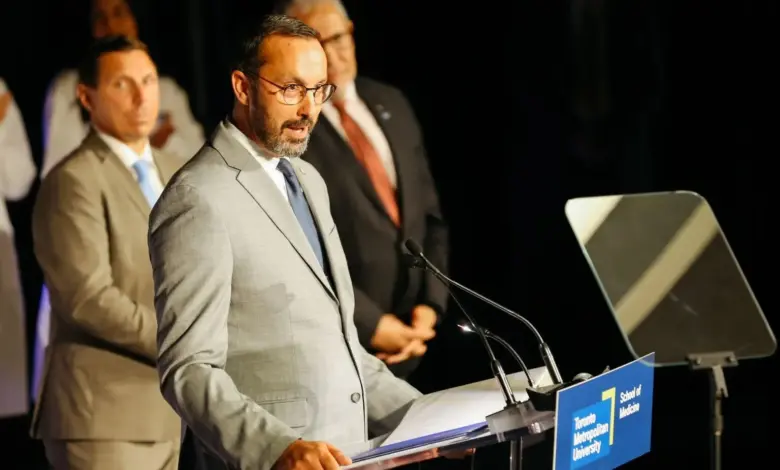
At Ontario Teachers College, the path into the profession is being redrawn. Prospective teachers will soon spend less time in university classrooms and more time learning in schools, as Ontario moves to cut teacher education programs nearly in half and place greater weight on practicum experience.
That change is designed to start in May 2027, if new legislation is passed next week. It would replace the current four-semester model with a three-semester program, while the province says it will prioritize practical, in-classroom learning.
What is changing at Ontario Teachers College?
The province says all universities in Ontario that offer a teacher education program would have to adopt the new one-year model. The shift would apply to 14 public universities and three private universities with teaching programs.
Under the plan, teacher training would run for 12 consecutive months instead of two years. The government says the shorter timeline could save students up to $3, 000 in tuition, while getting new teachers into classrooms sooner.
Education Minister Paul Calandra said the current standard of at least 80 days of practicum placement is “absolutely not long enough. ” Colleges and Universities Minister Nolan Quinn said the goal is to move future teachers into the classroom faster and support communities across Ontario.
Why is Ontario making the move now?
The change is tied to a growing teacher shortage that has left schools searching for occasional teachers and, in particular, French language educators. The province says it wants new teachers graduating every year instead of every other year.
Nolan Quinn said the central issue is time spent teaching in real classrooms, not simply the length of the academic program. He said the province’s research shows the classroom experience matters most.
The Ontario College of Teachers has said there are currently 76, 000 qualified teachers in the province who are not teaching. That figure underscores a complex reality: the problem is not only preparing new teachers, but also keeping them in the profession.
What are teacher groups saying about the plan?
Shirley Bell, first vice president of the Elementary Teachers’ Federation of Ontario, called the announcement a “partial good news story. ” She said shorter training may help reduce financial barriers and bring more diversity into teacher candidates, but argued that recruitment alone will not fix the shortage.
Bell said the bigger issue is retention, adding that many teachers leave the school system quickly because of working conditions. She called for real investments in smaller class sizes and more support workers for higher needs children.
The Ontario Teachers’ Federation said it has long supported a 12-month program delivered over three semesters, but was disappointed that the ministers did not consult them before the announcement.
How could the new model affect the classroom experience?
The province says it wants to establish a new minimum standard for practicum placements and may explore ways to recognize relevant prior learning and work experience, including early childhood educator diplomas or youth work experience. That suggests a broader attempt to make the route into teaching more flexible without reducing time spent in front of students.
Calandra said the aim is to make Ontario’s practicum one of the longest in the country. He said teachers need to spend more time leading a classroom before taking on full responsibility, and that longer in-school training should lead to better results for student teachers.
For families, schools, and future educators, Ontario Teachers College now sits at the center of a larger question: whether speeding up entry into the profession will also help stabilize a system still struggling to fill classrooms and keep teachers there.
Image alt text: Ontario Teachers College and the move to one-year teacher training in Ontario