Shahed drones have become more than a battlefield threat: they are now part of a wider exchange linking Ukraine’s combat expertise to Gulf fuel supplies and missile defenses. The moment matters because the war’s pressure is no longer contained to one front. It is now shaping energy flows, military cooperation, and the way partners outside Europe are pricing security support.
What Happens When Military Help Becomes an Energy Bargain?
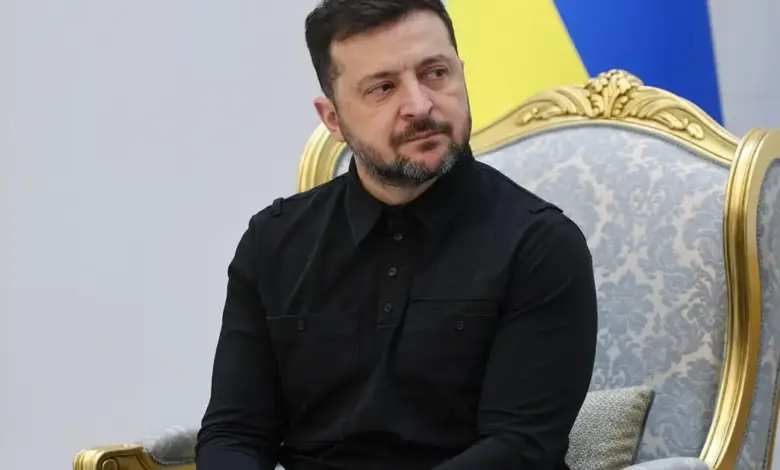
Ukraine’s president said his government has reached defense arrangements with Saudi Arabia, Qatar, and the United Arab Emirates, with similar agreements being discussed with Oman, Kuwait, and Bahrain. The core logic is direct: Ukraine provides anti-drone and defense assistance, while Gulf states provide oil, diesel, financial help, and missile interceptors. That exchange is unusual, but it reflects a war economy in which fuel is now as strategic as ammunition.
The immediate backdrop is a severe Ukrainian fuel shortage. Russian strikes on fuel depots have made storage dangerous and supply unstable, while gas prices have surged and the government says it depends on foreign suppliers for about 85 percent of its fuel stocks. That makes every supply agreement more than a commercial deal; it is a resilience measure. For Kyiv, the promise of oil and diesel over the next year matters because it helps sustain military mobility and civilian stability at the same time.
For the Gulf states, the incentive is different but just as practical. They want Ukraine’s drone combat expertise, built over four years of war. Zelenskyy said more than 200 Ukrainian soldiers from anti-drone units were sent to the Middle East to help countries fend off low-cost Shahed drones, which mirror the type of threat Ukraine has faced from Russia. In that sense, Shahed drones have become a transferable security problem, not only a Ukrainian one.
What Are the Main Forces Reshaping This Deal?
The first force is battlefield adaptation. Ukraine has turned a painful wartime experience into an exportable skill set, especially in anti-drone defense. The second is energy vulnerability. A country facing repeated attacks on fuel infrastructure has little room to absorb supply shocks, so outside fuel arrangements become strategically valuable. The third is regional spillover: the Iran war has pushed Middle Eastern allies of Washington to seek help against drone attacks, creating a new security market where air defense know-how is a currency.
There is also a political layer. Zelenskyy said the defense deals with three countries are for ten years, signaling that both sides want something longer term than an emergency workaround. At the same time, the fuel side of the bargain carries broader implications for Europe, since some crude oil will be delivered to refineries in Europe for processing and finished diesel may also be supplied. That means the arrangement touches not just Ukraine and the Gulf, but a larger energy chain under strain.
| Stakeholder | Immediate gain | Main exposure |
|---|---|---|
| Ukraine | Oil, diesel, missile interceptors, financial assistance | Continued vulnerability to fuel shortages and infrastructure attacks |
| Gulf states | Anti-drone support and military expertise | Dependence on sustained cooperation in a volatile region |
| Europe | Potential refinery supply from crude deliveries | Exposure to wider energy disruption and price pressure |
What If the Current Pattern Expands?
Best case: the current agreements stabilize Ukraine’s fuel position for the next year, the anti-drone support proves useful for Gulf partners, and the arrangement expands in a controlled way to Oman, Kuwait, and Bahrain. That would make Shahed drones a catalyst for durable defense cooperation rather than a sign of widening instability.
Most likely: the pacts continue, but in uneven form. Ukraine gets enough fuel and military support to ease immediate pressure, while the Gulf states keep testing what kind of long-term assistance they want to buy with energy supplies. The deal remains useful, but not transformative.
Most challenging: fuel costs keep rising, external promises arrive slowly, and the wider economic shock from the Iran war deepens. In that case, the burden on Kyiv increases just as it waits for outside financing, and the security-for-energy model becomes harder to scale.
Who Wins, Who Loses, and What Comes Next?
The clearest winners are the institutions and governments able to convert specialized wartime capability into leverage. Ukraine wins if it can turn anti-drone expertise into fuel security. Gulf states win if they can reduce exposure to drone attacks without building every capability from scratch. Europe may benefit if crude supplies move through its refineries, but it also absorbs some of the fallout from higher costs and disrupted markets.
The main losers are those with the least room to absorb disruption: fuel-dependent military logistics, domestic consumers facing price pressure, and governments already stretched by war-related shortages. The longer the pattern lasts, the more it will look like a blueprint for crisis barter in an age of drones, infrastructure attacks, and energy scarcity.
Readers should watch three signals: whether the additional Gulf agreements materialize, whether fuel deliveries hold through the coming year, and whether anti-drone support becomes a stable feature of regional security cooperation. The larger lesson is that Shahed drones are no longer only a weapon on one front; they are a force reshaping how states trade security, energy, and endurance. Shahed drones