Pau Cubarsí and Barcelona’s 7-2 statement: 5 La Masia truths behind the Champions League surge

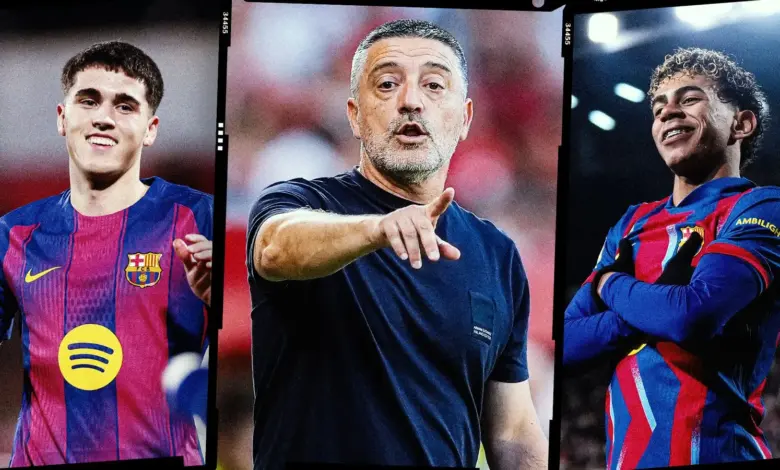
Barcelona’s latest Champions League surge has done more than revive their European ambitions; it has reopened a larger question about identity. In the midst of a 7-2 second-leg win at home to Newcastle, Pau Cubarsí stood inside a team that blended experience with extraordinary youth, and the result was not just historic but revealing. Barcelona reached the quarter-finals with the youngest knockout-stage side in the club’s history, and that detail may matter as much as the scoreline itself. The club’s present is being shaped by players who were developed together, and the pattern is no accident.
Barcelona’s youth surge and what it changed
The numbers around Barcelona’s knockout win are striking. Their average age dropped to 25 years and 18 days because five La Masia academy players were included. Lamine Yamal, Pau Cubarsí and Marc Bernal were among them, while Xavi Espart also featured from the bench. That selection pushed Barcelona past Ajax for the most starts given to teenagers in Champions League knockout stages. It also placed 14 academy graduates in senior involvement this season, with Fermin Lopez, Gavi and Eric Garcia part of that wider group.
The immediate impact is obvious: Barcelona are not just borrowing from the academy for depth, but relying on it to define the team’s ceiling. In that sense, Pau Cubarsí is part of a broader structural shift rather than a standalone success story. The club’s Champions League push is increasingly tied to homegrown players who understand the system before they are fully known to the wider football world.
Why La Masia still produces more than players
What makes this cycle more interesting is that Barcelona’s academy is being presented as a method, not merely a talent pipeline. Xavi Garcia Pimienta, who spent 17 years working in the club’s academy and later won the UEFA Youth League with Barcelona’s under-19 side in 2018, described the continuity as central to the club’s identity. He said he feels “very connected” to the fact that Barcelona have so many homegrown players in the first team and called it “an honour” to have been part of that process.
He also pointed to the club’s footballing philosophy as something that has been preserved rather than reinvented. In his view, the style associated with Johan Cruyff created a clear line through the academy and first team, with the emphasis not only on winning but on how to win. That distinction matters because the current Barcelona side are not simply fielding young players out of necessity; they are fielding players trained for a specific way of playing.
Pau Cubarsí in the wider academy picture
The context around Pau Cubarsí becomes clearer when viewed alongside the rest of the academy cohort. Barcelona have 14 players from the academy who have featured at senior level this season, and their under-contract academy graduates were given a transfer value nearly three times as high as any other club’s in the world in a January CIES Football Observatory study. That finding suggests the club’s production line is not only culturally important but also strategically and financially significant.
For Barcelona, that matters at a time when the club is chasing European success while leaning heavily on development. The presence of academy graduates changes how the team can be built, how much trust can be placed in teenagers, and how the squad can absorb pressure in major knockout matches. Cubarsí’s role sits inside that larger balance between development, performance and market value.
What this means beyond one quarter-final
The broader consequence is that Barcelona’s model is once again being held up as a case study in how elite clubs can compete while using youth at the highest level. That does not guarantee success, but it does show a rare level of continuity between academy, bench and first team. For opponents, it creates a problem that is difficult to solve: the players are young, but they are not detached from the club’s ideas or demands.
Garcia Pimienta’s perspective also underlines why the story extends beyond a single match. His three decades around Barcelona give weight to the argument that this is a long-built culture rather than a recent tactical trend. When a club can field teenagers in knockout football and still advance convincingly, it suggests an institution whose development system is producing both confidence and competitiveness at once.
The open question now is whether Barcelona’s trust in Pau Cubarsí and the rest of this academy core can carry them all the way through the Champions League pressure that follows.