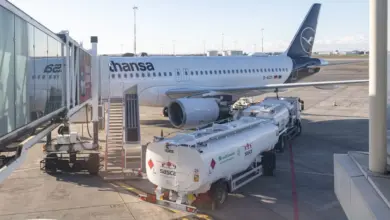
At the airport, the signs of disruption can feel ordinary at first: a changing departure board, a traveler rechecking a phone, a gate agent fielding questions. But for many passengers, flight cancellations are no longer just a scheduling inconvenience. They are becoming part of a wider chain reaction tied to war in the Middle East, rising oil prices, and the cost of keeping planes in the air.
The immediate pressure is visible in the region, where widespread flight cancellations are already affecting summer travel plans. The wider concern is less visible but more powerful: higher oil prices are pushing jet fuel costs up, and airlines are responding with fare increases, new bag fees, and warnings that more changes may follow.
Why are airlines feeling pressure right now?
The connection is direct. When oil prices rise, jet fuel becomes more expensive, and airlines face higher operating costs. The context now points to a sharp move in both oil and jet fuel prices: oil has climbed above $100 per barrel from around $70 before the conflict began in late February, while jet fuel spot prices rose from around $2. 42 per gallon at the end of February to nearly $4. 69 per gallon in April.
That matters because aircraft fuel and oil are the biggest costs for airlines globally, making up nearly 30% of airlines’ expenses, as the International Air Transport Association has stated. In practical terms, those costs can show up in the ticket price, and they can also surface in other charges that travelers notice only when they are already committed to a trip. The phrase flight cancellations may describe the most immediate disruption, but it sits beside a broader economic squeeze that is already reaching passengers.
How are travelers already paying more?
Some airlines have begun increasing checked bag fees or signaling that higher fares are coming. Delta, United Airlines, and JetBlue have each announced price increases for checked bags as fuel costs weigh on the business. Delta said on April 7 that the first checked bag would rise by $10 to $45, the second by $10 to $55, and the third by $50 to $200. A Delta spokesperson said those updates reflect “the impact of evolving global conditions and industry dynamics. ”
Elsewhere, Scandinavian Airlines increased prices in March because of fuel costs and called the increase temporary. Air France-KLM said it would raise prices for long-haul flights in response to high fuel costs. Cathay Pacific also announced higher fuel surcharges for tickets on specific routes, more than doubling the fee in some cases.
Jesse Neugarten, CEO at Dollar Flight Club, said in an email that rising costs are likely to be reflected in ticket prices and passed along to air travelers, especially those booking longer, international routes. United Airlines CEO Scott Kirby said rising fuel costs would likely lead to higher airfare and “probably start quick, ” adding that fares could increase 20% if jet-fuel costs remained elevated.
What does this mean for summer travel?
For travelers, the risk is not only a more expensive ticket. Higher costs can also affect airline decisions about how many flights to run. When fuel prices climb, some airlines may cut flights or adjust capacity, especially if demand softens. That means the same market pressure that raises fares can also make schedules less stable.
There is precedent for this. Airlines raised fares when jet fuel prices rose after sanctions on Russia following the start of its war on Ukraine in 2022. At that time, demand remained strong even as prices climbed, helped by the post-pandemic travel boom. The current moment is different in one important way: the war in the Middle East is creating fresh pressure on both costs and planning, and the effects are beginning to reach people who may not be following oil markets at all.
For travelers, that can mean more than paying extra at the airport. It can mean watching routes change, fees rise, and flight cancellations create uncertainty around a trip that once seemed fixed. The scene at the gate may look ordinary, but behind it is a market under strain, and the next change may arrive before a traveler has time to adjust.
Image alt text: Flight Cancellations linked to rising fuel costs and war-driven travel disruption