The eritrea national football team has turned a long-awaited sporting breakthrough into another moment of uncertainty. After a historic victory in Eswatini and a return to the qualifying group stages for the Africa Cup of Nations for the first time in 19 years, seven players did not return home. The missing players were among those who had traveled back through South Africa, and the case has reopened a pattern that has shadowed Eritrean football for years. For supporters hoping the result signaled a reset, the aftermath points in a different direction.
Historic progress overshadowed by absences
The team’s 2-1 win in Eswatini, followed by a 4-1 aggregate result, should have been a moment of celebration. Instead, the news that seven players failed to return has shifted attention away from the pitch and toward the country’s recurring football crisis. Only 10 of the 24-man squad were based in Eritrea, and just three of those players, including captain Ablelom Teklezghi, have returned so far, sources in Asmara said.
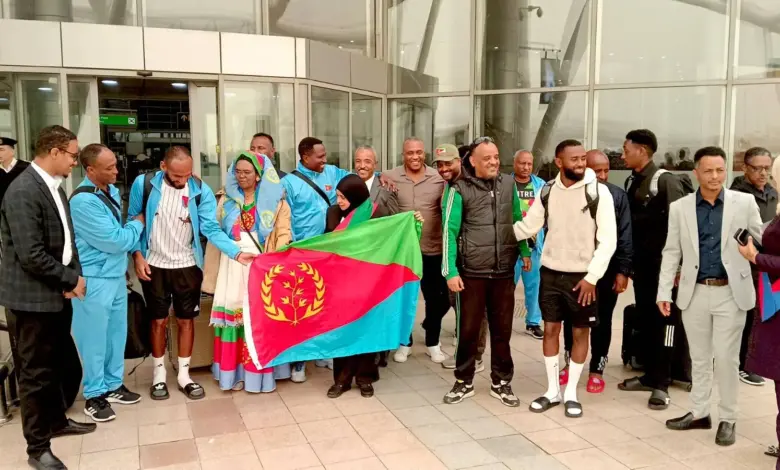
The missing group includes goalkeeper Kubrom Solomon and veteran winger Medhanie Redie. Their absence matters not only because of their roles on the field, but because it weakens the sense of continuity at a time when the eritrea national football team had appeared to be rebuilding momentum. State-owned media in Eritrea has remained unusually quiet about the team’s return, despite preparations for a reception that was later cancelled after the disappearances became known.
What the latest case says about a deeper pattern
This is not an isolated event. Over the past two decades, Eritrean football has repeatedly been marked by players disappearing after international fixtures abroad. In 2019, seven players from the under-20 side did not return after a regional championship in Uganda. In 2015, 10 senior players stayed away after a World Cup qualifying match in Botswana. Two years earlier, 15 players and the team doctor were granted asylum in Uganda after absconding.
That history gives the latest episode a heavier meaning. The issue is not simply that players left; it is that each incident chips away at squad stability, selection planning and public confidence. It also means that success on the field can quickly become complicated by events off it. The eritrea national football team is now caught between a rare sporting gain and a familiar institutional loss.
Official silence and a team under strain
There are still gaps in the public record. It is unclear where the missing players have gone, though reports say some have been seen in South Africa. The Eritrean Sport and Culture Commission has posted updates on social media about the team’s success, including pictures from a reception in Cairo where the squad stopped on the way back to Eritrea. But only the players who later traveled onward to Asmara appeared in those images.
That split between celebration and silence is revealing. It suggests a management challenge extending beyond a single trip. When a team that has just achieved a landmark result cannot return home intact, the achievement itself becomes unstable in the public imagination. For the eritrea national football team, the moment that should have cemented a comeback instead underlines how fragile any rebuild remains.
Broader consequences for Eritrean football
The wider impact reaches beyond one qualifying campaign. Fans had hoped the Eswatini victory would mark a renaissance, but the latest developments reinforce a familiar concern: that success abroad may be followed by more departures. Rights groups have described the government in Asmara as highly repressive, a charge the authorities reject. The context matters because it helps explain why football incidents are often read as more than sporting decisions.
Even without making claims beyond the available record, the pattern is clear. Eritrea’s small population and the repeated departure of athletes have made each tournament appearance feel consequential. More than 60 players have failed to return since 2007, a figure that shows how deeply the problem has shaped the national game. For regional organizers, rival teams and Eritrean supporters, the question is no longer just how far the side can advance, but whether it can keep its roster together long enough to compete meaningfully.
The next chapter will depend not only on results, but on whether the eritrea national football team can preserve its gains long enough for them to matter. After so many departures, can one historic victory still change the story?