A tattoo can be framed as more than decoration, and the latest lookbook of studio interiors pushes that idea to the foreground. Across Miami, New York, Aarhus and Kyiv, designers and tattoo artists have shaped spaces that treat tattooing as a deliberate experience, not a rushed transaction. The result is a series of rooms that feel controlled, intimate and symbolic. In each case, the interior design does not compete with the work on skin; it creates the setting for ritual, transition and a more reflective encounter.
A design shift around tattooing as ritual
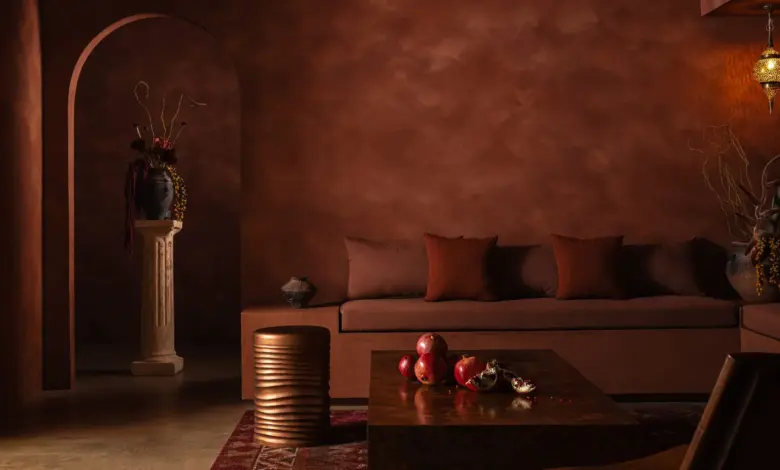
The six interiors share a surprising common thread: they present tattooing as something closer to ceremony than commerce. That approach appears most clearly in Haram Haram in Miami’s Little River neighbourhood, where traditional Arabic motifs are used to reframe the practice as “a ceremonial practice deserving of reverence. ” Chimera Design, working with Lebanese-Indonesian artist Natashia El-Badewi, shaped the studio around arches, niches and curved built-in elements that guide visitors through spaces moving from public to private.
That progression matters because it changes the emotional pacing of a tattoo appointment. Instead of entering a purely functional shop, clients move through a sequence that suggests preparation, pause and transition. In this framing, the tattoo becomes part of a broader experience of entering, enduring and leaving altered.
How interiors shape the tattoo experience
Other studios in the lookbook use different visual languages but arrive at a similar point. Bang Bang Tattoo takes a stark black-and-white approach, while Atelier Eva Grand Street in Brooklyn retains exposed brickwork inside a former hardware store. Designed by Alp Bozkurt for New York artist Eva Karabudak, the space uses arched stations and restored structure to give the room a sense of openness without losing focus.
Atelier Eva Williamsburg, the first studio by Karabudak, leans in another direction. There, concrete walls and minimal decor create a restrained, spa-like atmosphere. The effect is less about ornament and more about calm. In a field where the visual act is permanent, these environments seem designed to slow the moment down.
The idea of transformation is central to the Sinners shop in Aarhus, developed by Kidz Studio around the word “sinners” and its associations with birth, transformation and reincarnation. The studio’s explanation is explicit: the tattooing experience mirrors arriving with bare skin, undergoing a transformative process, and leaving permanently marked as “a new version of oneself. ” That language gives the interior a narrative role, not just a decorative one.
Why the ceremonial framing matters now
What stands out across the projects is not simply style but intent. These tattoo spaces are being designed with the same thoughtfulness applied to the tattooing itself. That matters because the environment can shape how a client understands the act: as private, spiritual, technical or transformative. The lookbook suggests that studios are increasingly using architecture and interior design to support that emotional reading rather than leaving it to chance.
In that sense, the six spaces function as a shared editorial argument. They show that a tattoo shop does not have to feel industrial or anonymous. It can also be structured to produce stillness, procession and reverence. In Haram Haram, the movement from public to private makes the visit feel ritualistic. In Sinners, the symbolism of change is built directly into the concept. In the Brooklyn studios, restraint and restoration give the process a more measured frame. The common result is a stronger connection between the room and the meaning of tattooing itself.
What these six interiors suggest for tattoo design
The broader implication is that tattoo parlours are being treated less as service counters and more as authored environments. That shift does not erase the practical side of the work; instead, it adds a layer of interpretation around it. A client entering one of these studios is not only preparing for a permanent mark but also moving through a designed story about identity, transition and care. The word tattoo appears almost secondary to the atmosphere each space creates, yet it remains the anchor for everything these studios are trying to express.
As this lookbook shows, the most interesting interiors are not the loudest ones. They are the ones that give tattooing room to feel deliberate, even ceremonial. If studios continue to lean into that idea, the next question is not whether the room can change the experience, but how far that transformation can go.