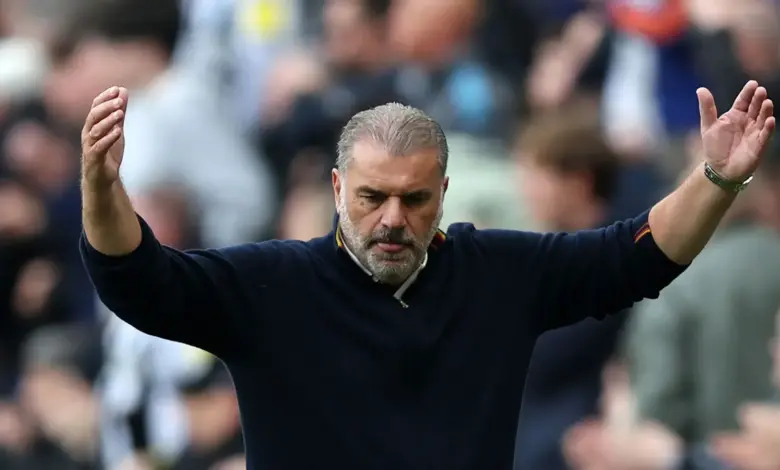
Ange Postecoglou is back in the conversation for the Premier League, but the next move is being treated as a major gamble. His name now sits between two contrasting truths: Europa League success at Tottenham Hotspur and a damaging run that ended with a 17th-place finish, followed by a brief and turbulent spell at Nottingham Forest. That combination makes this a turning point for clubs weighing style, risk, and survival in equal measure.
What happens when clubs value style over safety?
The current picture is simple: interest exists, but caution is stronger. Postecoglou is assessing his options ahead of the summer, and several vacancies are expected to open at the end of the season. Crystal Palace, Bournemouth, and Fulham are among the clubs being watched closely, yet none can ignore the evidence from his Premier League record.
His league return has been defined by contradiction. At Tottenham, he delivered a European trophy but still left after a finish that dragged the club into deep trouble. At Nottingham Forest, the spell was even shorter, ending after eight games. Across 81 Premier League matches, he has averaged 1. 30 points per game, a figure that explains why recruitment departments are hesitant. In a division where safety and structure often come before ambition, that number carries real weight.
What if the next appointment is judged by risk, not reputation?
Former Tottenham scout Mick Brown captured the mood among skeptical decision-makers. He said Postecoglou is still highly thought of, but his Premier League record is “terrible, ” adding that his teams were giving goals away and that he refused to adapt when results turned. That is the central issue now: whether clubs see a clear footballing identity or a manager whose methods expose fragile squads.
The debate is not about talent alone. It is about fit. Teams looking for a reset may admire the attacking intent behind “Angeball, ” but the defensive vulnerabilities that surfaced during his time in England are impossible to ignore. If a club is already under pressure, appointing a coach who has not shown flexibility could intensify the same problems it is meant to solve.
| Scenario | What it could mean |
|---|---|
| Best case | A club with patience, stability, and financial room backs Postecoglou and gets a refreshed version of his attacking approach. |
| Most likely | Interest remains, but boards hesitate and the return to the Premier League does not materialize immediately. |
| Most challenging | A rushed appointment repeats the same defensive problems and leads to another short spell. |
What happens when Tottenham’s wider picture complicates the story?
The wider context matters because Tottenham remain part of the conversation around Postecoglou even as their own situation shifts. Cristian Romero’s admission that he is “not having the best time” adds another layer of uncertainty to the club’s outlook. He has also said he needs to “switch on the Tottenham mindset” and focus on getting out of the bad situation the team is in.
That is relevant because it highlights the tension inside the squad and the fragility around key figures. Romero has been linked with a La Liga move, and his comments will not calm concerns about long-term continuity. For any future manager, this is a reminder that individual quality does not automatically create stability. If the dressing room remains unsettled, the margin for error becomes even smaller.
Who wins, who loses if Ange Postecoglou returns?
Potential winners are clubs that want a strong football identity and are willing to accept short-term volatility for longer-term upside. Supporters who favor proactive, front-foot football may also see appeal in a coach whose ideas are clear and recognizable.
The losers would likely be clubs that need immediate defensive repair, because Postecoglou’s record suggests that protection at the back is where the greatest risk sits. Recruitment teams would also lose if they misread his profile and expect quick stabilization from a manager whose recent English record points the other way.
There is also a reputational risk for Postecoglou himself. A third difficult chapter in England would harden the narrative around him, while a measured return in the right environment could rebuild it. For now, the forecast is clear: the market is open, the interest is real, but the hesitation is justified. Ange Postecoglou remains a compelling option only for clubs confident they can absorb the volatility that has defined his time in England so far.