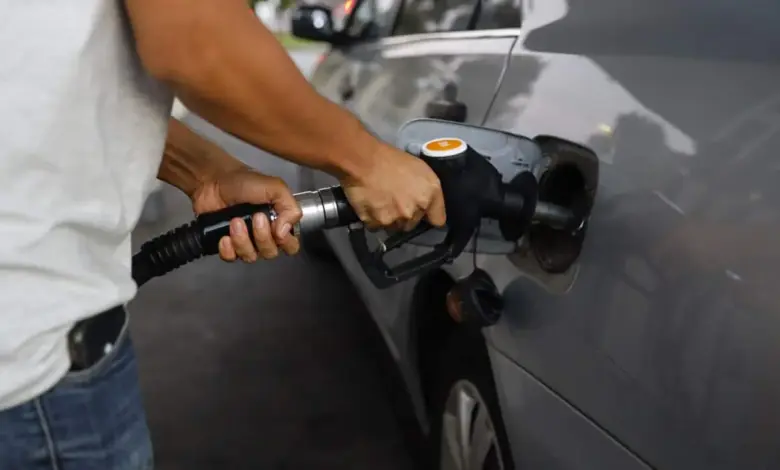
At a busy suburban service station a queue snakes past the convenience store, faces reflecting the numbers on the pump. For many Australians the daily reality is immediate: petrol fuel prices that have climbed into the mid‑dollars per litre range are reshaping weekly budgets and small businesses’ margins.
What are Petrol Fuel Prices telling us right now?
Prices have surged amid international volatility. The national average for regular unleaded reached roughly 253 cents per litre in late March, with metropolitan averages slightly lower and regional locations often higher. Another measure put regular unleaded around $2. 38 per litre as an average at the time of assessment. Diesel has also risen, frequently averaging above 245 cents per litre. These figures reflect a market exposed to global crude movements and the knock‑on effects at Australian terminals.
Why have pumps become more expensive, and who is responding?
Supply pressures are central. The Strait of Hormuz, a strategic oil transit route, has been effectively shut down since conflict in the Middle East began on 28 February, tightening supply and pushing global benchmarks higher; Brent crude climbed above $116 per barrel earlier in March. Australia imports nearly all its refined fuel, leaving terminal gate costs sensitive to international shifts.
Tax components also shape the final price. The fuel excise and the 10 percent goods and services tax together add roughly 52 cents per litre to retail petrol, with other assessments noting the excise figure at around 52. 6 cents per litre before announced changes. Peter Khoury, NRMA spokesperson, said, “The fuel excise and GST are a tax on a tax. And the only other commodities where that happens are alcohol and cigarettes. ” Retailers set margins on top of wholesale and tax costs, and regulators watch for anti‑competitive practices.
What relief is being offered and how will it reach drivers?
The federal government announced a temporary halving of the fuel excise from 52. 6 cents to 26. 3 cents per litre for three months starting April 1, a measure expected to provide roughly 26 cents per litre relief at the pump once retailers pass it on. The Australian Competition and Consumer Commission is monitoring whether retailers pass the full saving through, and other government levers include cracking down on anti‑competitive behaviour and policies to increase supply. The Reserve Bank of Australia is watching fuel costs for their effect on headline inflation, and the Australian Institute of Petroleum continues to release weekly reports that track trends.
Practical steps offered by consumer organisations aim to reduce direct exposure to high pump prices: fill up mid‑week when price cycles are often lower, use E10 where suitable, combine trips and consider public transport or carpooling for regular commutes. Regional drivers, who sometimes pay more due to higher delivery costs and remote outlets occasionally exceeding $2. 70 per litre, face particular strain.
For motorists and small businesses, the interaction of global crude shifts, domestic tax settings and retailer margins creates a complex mix. The excise cut is designed to lower at‑pump prices quickly, but its effect depends on how market participants respond.
Back at the service station, a motorist studies the display and then the receipt, calculating how weekly routines will change. The short tax relief offers a visible easing of pressure, but the broader forces that lifted petrol fuel prices remain in place. As households adapt and authorities monitor markets and compliance, the moment at the pump becomes a small test of policy, market behaviour and everyday resilience.