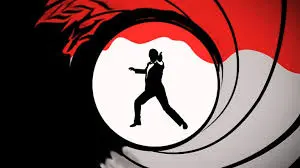
Twenty-five films and seven actors spanning almost sixty years sit at the center of a debate many describe as disproportionate: the search for the next james bond has produced an intensity that one actor called “not normal. ” This report assembles the verified facts in the public record, separates them from analysis, and asks what the franchise owes its audience in transparency and stewardship.
Who is driving the debate over the next James Bond?
Verified facts: It has been five years since the last franchise film, No Time to Die, which starred Daniel Craig. Actor Regé-Jean Page addressed persistent rumors linking him to the role and characterized the public reaction as “not normal. ” Actor Michael Fassbender revealed he auditioned for the role in the past and said he preferred seeing Daniel Craig in the part rather than himself. Other actors named in recent public conversation include Riz Ahmed, and casting discussion has intensified while the complete set of 25 franchise films — from “Dr. No” to “No Time to Die” — has been made available on a major streaming service.
Analysis: These verified facts show three pressure points: a prolonged gap since the last lead, a newly consolidated availability of the canon for global viewers, and prominent actors publicly engaging with the debate. That combination creates an information vacuum that is being filled by speculation, personal interviews, and casting rumors rather than confirmed casting announcements.
What do the franchise villains reveal about James Bond’s political framing?
Verified facts: Ian Fleming created recurring antagonist organizations in his novels, notably SPECTRE and the Soviet counterintelligence agency SMERSH. Fleming’s fiction included villains who were rogue agents, renegade generals, or independent criminals, rather than direct stand-ins for state actors. Fictional antagonists cited across the film canon include Ernst Stavro Blofeld; Dr. No, described in the fiction as a Chinese German scientist who works for SPECTRE; Auric Goldfinger, whose plot targets world economic stability; Hugo Drax and Karl Stromberg, each plotting large-scale destruction to remake civilization; Max Zorin, a German-born former KGB agent seeking dominance in microchips; Alec Trevelyan, an MI6 agent who turns on his service; and Raoul Silva, a former MI6 operative seeking revenge.
Analysis: These examples indicate a franchise habit of externalizing geopolitical anxieties into individual villains and shadowy organizations. The approach allowed the creator to dramatize Cold War tensions, technological fears and the danger of betrayal from within, while avoiding overt identification of contemporary states. For audiences, that framing both universalizes the stakes and obscures specific political responsibility — a storytelling choice with consequences when contemporary viewers demand accountability or political clarity from global entertainment properties.
What should the public demand as casting and control of the franchise shift?
Verified facts: Public reactions have been unusually intense around casting discussions. Prominent actors have commented publicly about auditions and fan behavior. The complete film archive is now widely accessible in one place, and creative-rights transactions have been part of recent industry movement.
Analysis and recommendation: When a cultural property spans 25 films and seven principal actors, stewardship decisions carry outsized cultural weight. Given the verified intensity of public response and the franchise’s demonstrated history of engaging with political themes through villainy, the franchise’s custodians should offer clearer timelines and criteria for casting and creative leadership to reduce speculation and mitigate unhealthy public fixation. Transparency about casting processes, inclusive creative decision-making, and contextual framing of thematic choices would serve both the franchise and its audience.
Final note on uncertainty: The identity of any incoming lead has not been verified in the public record available here; casting discussions remain rumors and interviews. What can be documented are the archive’s availability, the five-year gap since the last film, the named actors who have spoken publicly about the role, and the franchise’s long-standing practice of dramatizing geopolitical anxieties through individual villains. For the franchise to move forward responsibly, those documented facts should shape a transparent process that respects fans and the cultural legacy of james bond.