President Catherine Connolly appoints members to Council Of State — seven voices shaping advice at Áras an Uachtaráin

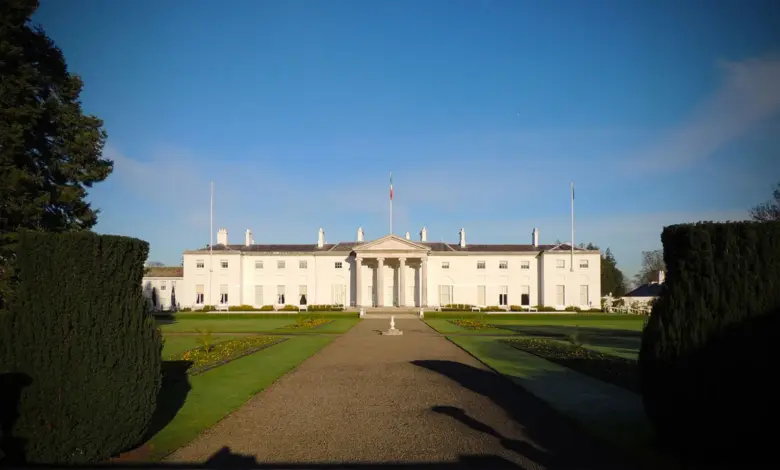
In a short, formal statement released from Áras an Uachtaráin, President Catherine Connolly unveiled seven appointments to the council of state, a group she said will offer advice and support during her term. The announcement named a mix of lawyers, human rights specialists and community activists drawn from Dublin, Galway and Belfast.
Who has been appointed to the Council Of State?
President Catherine Connolly has appointed seven people to serve as members of the council of state. The slate includes Conor O’Mahony, identified as a former Special Rapporteur on Child Protection, and Linda Ervine, described as a Belfast cross-community activist who manages the first Irish language centre based in a loyalist area and founded Scoil na Seolta, an integrated Irish-medium school. Also named was Professor Fionnuala Ní Aoláin, who is noted as a Professor of Law at Queens University Belfast and concurrently Regents Professor and Robina Professor of Law, Public Policy and Society at the University of Minnesota Law School.
Other appointments were described as drawn from institutions in Dublin, Galway and Belfast; the seven appointees are a mix of four men and three women with backgrounds in law and human rights work. The president’s nominees join the existing membership of the council of state and will be called on to advise the president on matters that may arise during her term of office.
Why do these appointments to the council of state matter?
President Catherine Connolly framed the selections as practical and purposive: “May I thank each of the nominees who have agreed to serve as a member of the Council of State. These seven members bring a unique expertise and range of experience to the Council of State which will be of immense value in considering the matters which may arise over the course of my term of office. I look forward to receiving their advice and support over the next seven years. ” The sentence was part of the formal statement announcing the appointments.
The strategic value of the appointments is visible in the individual careers named in the statement. Professor Fionnuala Ní Aoláin’s work in international law and human rights — including academic roles and service with United Nations inquiries and as a UN Special Rapporteur on counter‑terrorism and human rights — anchors the council with expertise on emergency powers, conflict regulation and protections in times of crisis. Conor O’Mahony’s experience as a former Special Rapporteur on Child Protection brings a child‑welfare lens. Linda Ervine’s community work, including running Turas, the Irish language centre in east Belfast, and founding Scoil na Seolta, adds a grassroots, cross‑community perspective: “When she began learning Irish in 2011, no one would have conceived of the idea of an Irish language centre in the heart of east Belfast but despite the many difficulties, Turas is now one of the largest providers of Irish language classes in Belfast, ” an Áras statement outlined.
Taken together, the appointees reflect the president’s stated intention to draw on legal, human rights and community experience when seeking counsel. The inclusion of those who have served on boards of human rights organisations and in international roles signals the types of expertise likely to shape deliberations.
What happens next and how will they work together?
Following the announcement, the seven appointees will take up their roles as members of the council of state and be available to advise the president on matters that may arise. The council already includes other ex officio and nominated members; these seven are the president’s nominees and are expected to contribute their professional and community perspectives over the course of the presidential term. The president’s statement emphasized the practical purpose of the appointments: advice and support across a seven‑year span.
For citizens watching these choices take shape, the appointments offer a tangible example of how institutional advice to the presidency is refreshed by bringing together practitioners from law, human rights bodies and community initiatives. Whether on questions of constitutional judgment, human rights implications or community cohesion, the new members’ varied backgrounds are presented as assets to the presidency.
The room at Áras an Uachtaráin where the list was released is now quiet again, but the names on it — from a former Special Rapporteur on Child Protection to a Belfast-based language activist and an internationally recognized law professor — remain in public view. The council of state that emerges will be watched for how those voices shape the president’s deliberations in the years ahead.