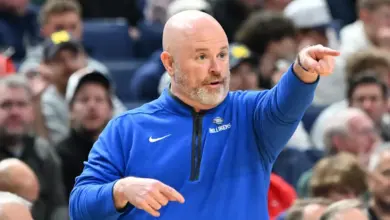
Fred Rutten and the Curaçao National Football Team: How a 156,000‑Person Island Reached the World Cup Amid Upheaval

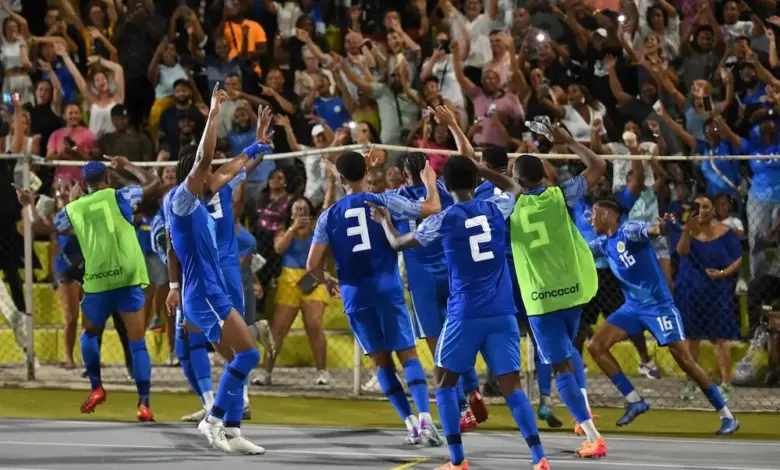
On an island of about 156, 000 people, the curaçao national football team has become the smallest nation to reach a World Cup finals in both population and land area — an achievement that followed a late coaching change, a dramatic 0-0 draw in Kingston and a start under new management that included a 2-0 defeat in Sydney.
How did the Curaçao National Football Team qualify despite its size?
Verified facts: The squad sealed World Cup qualification with a 0-0 draw in Kingston, Jamaica, surviving three shots that struck the woodwork and an added-time VAR check after a penalty had been awarded. The campaign’s match run included wins over St Lucia, Aruba, Barbados and Haiti in the opening stage and a decisive home 2-0 victory over Jamaica plus a 7-0 win over Bermuda in the final round. The entire starting XI in the final qualification match were born in the Netherlands. Dick Advocaat, who served as head coach during qualification, led the campaign; he later stood down to be with his ill daughter.
Analysis: These facts show qualification was not a single lucky result but the product of a multi-stage campaign with both comfortable wins and tense survival moments. The combination of Dutch-born players and an experienced coach who navigated the team through contrasting qualification rounds demonstrates a concentrated approach: reliance on a defined player pool and an assertive managerial plan that withstood critical late-game pressure.
What does Fred Rutten inherit, and what are the immediate risks?
Verified facts: Fred Rutten, appointed by the Curaçao football federation to lead the side at the World Cup, succeeded Dick Advocaat after Advocaat stepped away. Rutten has not held a coaching role for almost three years and has never led a national team. He is 63 years old. Rutten had previously been approached by the federation before the qualifiers but recommended Advocaat when he was unable to take the job for medical reasons; Advocaat later recommended Rutten when he stepped down. Rutten has worked with several players at club level, including Eloy Room at Vitesse and Armando Obispo, Jürgen Locadia and Shurandy Sambo at PSV. Khalid Sinouh, the federation’s technical director and a former reserve goalkeeper under Rutten at PSV in 2011–12, put Rutten forward. Rutten’s first game in charge ended in a 2-0 defeat to China at the Accor Stadium in Sydney.
Analysis: The federation’s pivot from Advocaat to Rutten preserved continuity: Advocaat passed his methods and blessing to Rutten, and the technical director advocated for that choice. That continuity reduces some transition risk, but it does not eliminate it. Rutten’s long absence from a coaching role and his lack of prior national-team leadership create pragmatic questions about preparation and adaptation on the tournament stage. The opening defeat in Sydney is a limited data point but a concrete early indicator that tactical cohesion and match sharpness will require urgent attention.
Who benefits, who is accountable, and what must change before the finals?
Verified facts: Players, staff and the public have expressed strong support for the campaign: when Rutten’s appointment was announced a player, goalkeeper Eloy Room, sent a welcoming message. Winger Kenji Gorré described qualification as “literally impossible, ” and captain Leandro Bacuna said the island had rallied behind the team following the China defeat. The Curaçao federation chose Dutch coaches for more than 10 years and drew heavily on the kingdom connection for player selection.
Analysis: The principal beneficiaries are the players and the island’s football profile: qualification delivers historic exposure and competitive experience. The federation and technical leadership also benefit from vindication of recent choices. Accountability rests with the federation and technical leadership to translate qualification into competitive readiness: ensuring Rutten has resources for preparation, clarifying decision-making around coaching continuity, and explaining how player selection from the Netherlands will be integrated with local development. The reliance on a compact, overseas-born squad and rapid managerial handover are strengths for short-term performance but potential weaknesses for legacy development on the island.
Recommended immediate actions grounded in the documented record: publish a clear plan for pre-tournament training under Fred Rutten; disclose the role and remit of Khalid Sinouh in the transition; and provide transparent criteria for player selection that reconcile the Dutch-born core with long-term domestic growth. These steps are modest, verifiable and directly connected to the facts of the campaign.
Final note (verified): The curaçao national football team arrives at the World Cup as the smallest nation by population and area to do so, carrying both a historic triumph and urgent governance questions that demand public answers before the finals.