The discovery that the tomb of pamela genini had been violently profaned has reopened a criminal chapter already marked by murder and public anguish. The exhumation revealed a mutilated body and the removal of the head, prompting a formal inquiry by the Prosecutor of Bergamo and renewed appeals from the victim’s family. Assertions of intimidation and a claimed criminal design now complicate a case that authorities say still requires clarification.
Pamela Genini: background and the immediate discovery
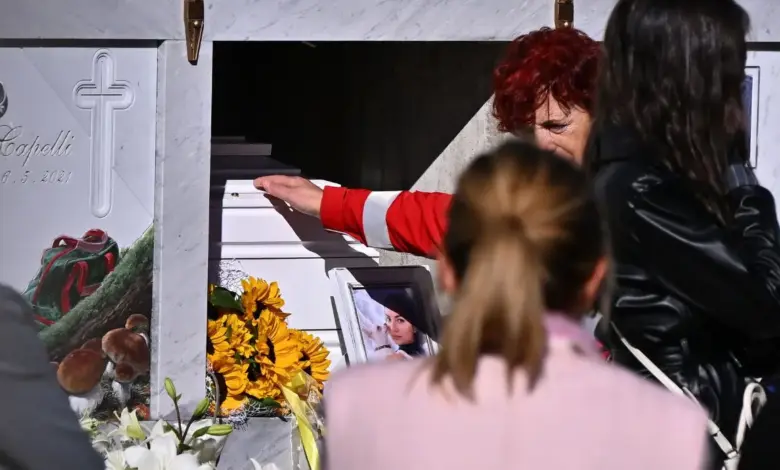
The 29-year-old woman had been killed in October 2025; her death was attributed to her partner, who inflicted multiple stab wounds and was taken into custody on charges including homicide and stalking. Months after burial in a cemetery in Strozza, local cemetery staff preparing for a reburial found the coffin tampered with: screws or fastenings had been loosened and, when opened, responders found the corpse mutilated and the head missing. The Prosecutor of Bergamo opened an investigation into vilipendio di cadavere and the theft of the head, criminal designations that carry stepped-up penalties when committed on cemetery grounds.
Deep analysis: motivations, claims of intimidation, and investigative threads
The act of exhumation and mutilation following a high-profile homicide introduces several investigative vectors. The family’s lawyer has indicated initial checks point to multiple responsible parties, while no arrests or ransom demands have been recorded to date. One hypothesis raised in immediate coverage is that the crime could stem from a pathological obsession with the deceased; legal observers note that the removal of human remains from a tomb often signals motives beyond opportunistic theft, including ritualized possession or an intent to intimidate.
The victim’s former partner, Francesco Dolci, has asserted that he is being targeted to stop him from speaking: he described ongoing threats, forced entry into his post, multiple aggressions and the need to change residence, framing the grave profanation as part of a broader criminal design. He said the act could not have been executed by a single person, citing the weight and logistics of moving a coffin, and estimated three to four people were involved. The Prosecutor of Bergamo is reported to be investigating the physical evidence at the cemetery and examining surveillance to establish timelines and identify potential accomplices.
Expert perspectives: voices from the family and legal team
Francesco Dolci, identified publicly as the victim’s former partner, said: “So many things I have already told investigators, but I have more to say; the threats and assaults are aimed at silencing me. ” His declaration frames the act as intimidation intended to obstruct testimony and complicate the search for justice.
Una Smirnova, who is the mother of the deceased, issued a direct appeal: “Please help me find her; we cannot go on like this, ” conveying the family’s anguish and the psychological toll of a crime that removed not only a daughter but the physical element of burial required for grieving. The mother urged anyone with information to come forward and expressed a hope for a moral awakening among those responsible.
Nicodemo Gentile, the family’s lawyer, said early investigative steps have identified multiple potential perpetrators but that no arrests have been made and there has been no ransom demand. He noted that investigators will be weighing forensic evidence from the cemetery alongside witness statements to ascertain whether this act was isolated or linked to broader intimidation of relatives and acquaintances.
Regional implications and legal contours
The case has provoked alarm in the local community and sharpened scrutiny on cemetery security and the handling of high-profile burials. Prosecutorial action in Bergamo emphasizes criminal categories with enhanced sanctions for offenses committed in burial sites; legal provisions invoked in early inquiries establish penalties for profanation and removal of body parts, reflecting the gravity assigned to desecration of the dead.
Authorities appear to be treating the event as not only a property crime but a potential extension of intimidation campaigns: investigators are following two parallel lines — identifying physical perpetrators and determining whether threats against witnesses and family members are coordinated with the act at the cemetery. The multiplicity of claims from the ex-partner and the family’s lawyer will be evaluated against forensic timelines and any available camera footage around the burial site.
The mutilation and theft of the head of pamela genini transform a post-mortem indignity into an ongoing criminal puzzle that forces investigators to reconcile family testimony, suggested motives and limited physical clues. Will the forthcoming forensic results and witness statements close this chapter or deepen the list of questions for prosecutors and the community?