Introduction
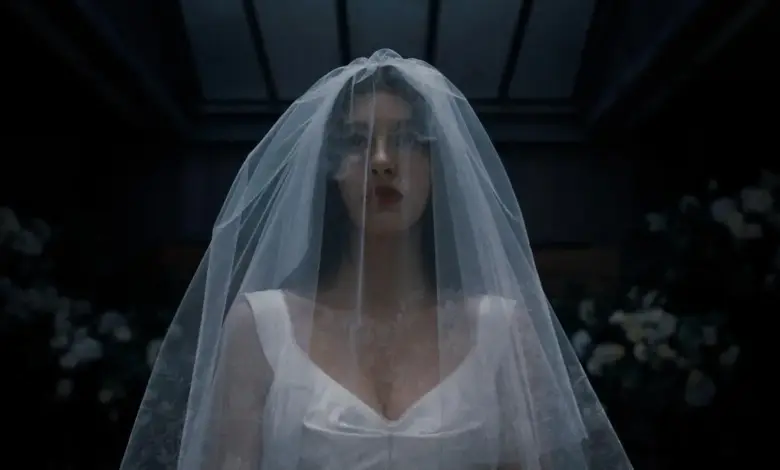
From abandoned babies to taxidermied pets and a parking-lot Barbie shoe, the new eight-part series repeatedly signals that something very bad is coming long before its finale. The show stages the week leading up to a small family wedding at a remote cabin, using mundane dread and ritualized family secrets to escalate anxiety. Built as a psychological horror that levers doubt, the series forces viewers to ask whether the threat is external or born from the protagonist’s own uncertainty.
Background & context: a tight, evolving dread
The narrative is tightly focused: the action unfolds across the four-day to week-long period before Rachel (Camila Morrone) and Nicky (Adam DiMarco) are due to marry in a remote family compound. Early scenes set tone through recurring motifs—a peeping tom, a maggoty dead fox at a rest stop, a child’s pink shoe—which accumulate into a sustained, escalating atmosphere. The cast of relatives—Portia (Gus Birney), Jules (Jeff Wilbusch), Nell (Karla Crome), young Jude (Sawyer Fraser), patriarch Dr Cunningham (Ted Levine) and an unsettling mother figure played by Jennifer Jason Leigh—function as both domestic tableau and uncanny chorus.
Something Very Bad: Twisted ending and the mechanics of the curse
At the center of the series’ climax is a structural bait-and-switch: initial dread is anchored in plausible human menace—satanic ritual fears, secretive relatives, whispered stories of a local killer—but the resolution reveals a generational architecture of fate. A family curse, explained late in the run, dictates that a member who marries someone who is not their true soulmate will bleed to death at sunset on their wedding day. The revelation reframes earlier signals: what seemed like external plots or conspiracies become manifestations of inherited doom. An immortal figure known as The Witness is introduced as a recurring, punitive presence tied to the curse’s origin.
Deep analysis: why the horror lands and what it says about certainty
The series’ effectiveness comes from its layering. Formal devices—recurrent sonic motifs, small uncanny objects, and the architecture of the family compound—work in concert with psychological themes. The turn from suspected human malevolence to metaphysical inheritance reframes character choices: Rachel’s rising dread is not only about immediate threat but about long-term existential stakes tied to lineage. A secondary narrative moment—an apparently withheld medical truth about a terminal brain condition in the family—temporarily relieves one theory only to deepen the general sense of precariousness. The series trades shock for existential unease, forcing viewers to recalibrate the locus of menace from outside to within.
Expert perspectives
Haley Z. Boston, series creator, Something Very Bad Is Going To Happen, has described the structural pivot plainly: “She thinks this family is out to get her, that there’s some evil in the woods. ” Boston adds that the protagonist’s discovery reframes the terror: “Then she realises it’s actually her. It’s her doubt that’s causing all this anxiety. ” That creative intent clarifies why the series moves from thriller expectations to a study of certainty and the costs of doubt. The show’s lineage—its creative imprimatur includes writers known for revenge-horror and collaborators associated with acclaimed genre television—helps explain its tonal calibration toward a prolonged, corrosive unease rather than rapid-fire shocks.
Cast choices reinforce the tone. The presence of performers who have embodied intense or uncanny roles before provides a shorthand: a patriarchal figure with clinical distance, a mother who veers into borderline devotion, and a brother whose past encounter with local myth has altered him. These performances anchor the supernatural explanation in domestic realism, making the final revelations feel less like a leap and more like an inevitable, if grotesque, consequence.
Regional and cultural ripples
Set against a remote, forested compound, the series draws on familiar folkloric scaffolding—ancestral bargains, an immortal witness, a curse passed through marriage—to recast intimate rituals as sites of potential catastrophe. In doing so the show interrogates social rituals of union and the narrative of soulmates: are vows personal choices or triggers for inherited violence? By centering a small wedding as its focal event, the series amplifies anxieties that resonate beyond genre fans and into conversations about family secrecy, bodily autonomy and the burdens of inherited trauma.
Conclusion
By converting bridal rites into a locus for generational punishment, the series reframes domestic rites as arenas where something very bad can resurface and repeat. The final image—a marriage that collapses into ritualized doom—leaves viewers with an open question: if certainty is the show’s moral axis, what do we do when the evidence for our choices can be fatal?