Sophie Thibault: From ‘machine de guerre’ to photographer — a face, a fight and a new frame of life

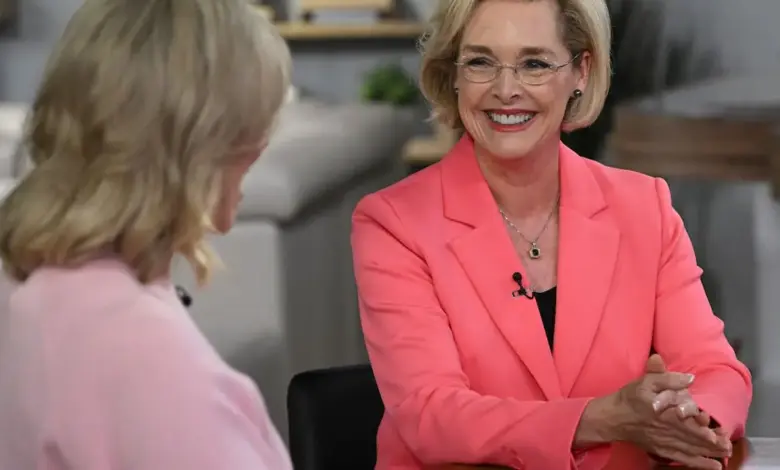
At the vernissage of Lignes de vie • Signes de vie, sophie thibault stood beneath the glassy lights of the Pavillon commémoratif Ville‑Marie, watching guests pause before a large black‑and‑white portrait of a great horned owl. Thirty of her photographs filled the room in that unexpected setting — a memorial pavilion inside the repos Saint‑François d’Assise cemetery in Montreal — and she moved among them with the quiet of someone who has traded a newsroom’s cadence for the patience of the field photographer.
What is Sophie Thibault doing now?
Sophie Thibault, the former chief anchor at TVA who left her role after 37 years, has focused her daily life on photography and travel. At the opening she described a deliberate pull away from stress: she said she no longer feels like the “machine of war” she had been in the office and that she now spends her time in nature, taking pictures at her own pace. She presented large-format images, including two striking photographs of a great horned owl she encountered in Boucherville — one where the bird appears to look straight into the lens and another with wings fully spread — and described a personal shift from black and white to color in her work over the past year.
When will sophie thibault return to television and what will she say?
Sophie Thibault will appear on television on April 6 at 9 p. m. ET in the documentary La face cachée du soleil. The broadcast, scheduled by Radio‑Canada for that evening, pairs her with entrepreneur Marie‑Eve Richard‑Tougas, who is fighting a metastatic melanoma. The documentary revisits an experience that the former anchor has lived with for years: a skin cancer diagnosis first received in 2017. At the vernissage she explained that treatments over recent years have eased and that she has taken a year’s leave from her dermatologist; a small lesion on her forehead was treated and, for now, things are calm. In the documentary, she and her co‑participant aim to give a human face to skin cancer and to speak directly about sun exposure and behaviors that they describe as increasingly normalized.
How does this personal turn reflect a wider story?
The arc of Thibault’s recent months — stepping away from the daily rigour of broadcasting, staging a photographic exhibition in an unexpected venue, and taking part in a documentary about skin cancer — maps onto two intertwined realities presented at the exhibition and on screen. On the human level, it is the story of a professional reinvention that privileges creativity and slower rhythms. On the public‑health level, it is part of a broader conversation the documentary raises about rising cases of skin cancer and what the participants describe as a casual attitude toward sun risk. Thibault’s choice to speak about her diagnosis and to sit alongside an individual battling metastatic melanoma is presented as an effort to awaken public awareness rather than to dramatize personal struggle.
Voices in this moment are spare but direct: Thibault herself, now identified as a photographer and former chief anchor at TVA, has been candid about the relief she feels being away from constant on‑air pressure; Marie‑Eve Richard‑Tougas, named in the documentary as an entrepreneur confronting metastatic melanoma, brings a companion testimony about living with advanced disease; and the filmmakers have placed that testimony into a broadcast context with Radio‑Canada scheduling the film for national airtime.
What is being done is straightforward and public: an exhibition open from March 30 to June 18 at the Pavillon commémoratif Ville‑Marie displays Thibault’s work, and a documentary set for April 6 at 9 p. m. ET will extend the conversation to television viewers. The project combines artistic practice and personal testimony to press on both aesthetic and preventive questions.
Back under the soft lights where the owl photographs hang, the scene returns to quiet. The woman who described herself as once being a machine of war moves slowly from frame to frame, turning from black and white to color, from the newsroom’s spotlight to the gentler scrutiny of a gallery. Her face, she has said, has borne much of the medical attention; for now it rests in a calmer place. The exhibition continues, the documentary will air, and the images stay on the wall — a patient, insistently human record of a life remade and a message that reaches beyond a single portrait.