Slow Horses After the Shift: Rival Spy Thriller and Season Six Teases Reset Expectations

At an inflection point in how contemporary spy drama is measured, slow horses face a new comparative standard as a faster, pulpy spy thriller and season-six revelations alter audience expectations.
What Happens When a Faster Thriller Reframes Expectations?
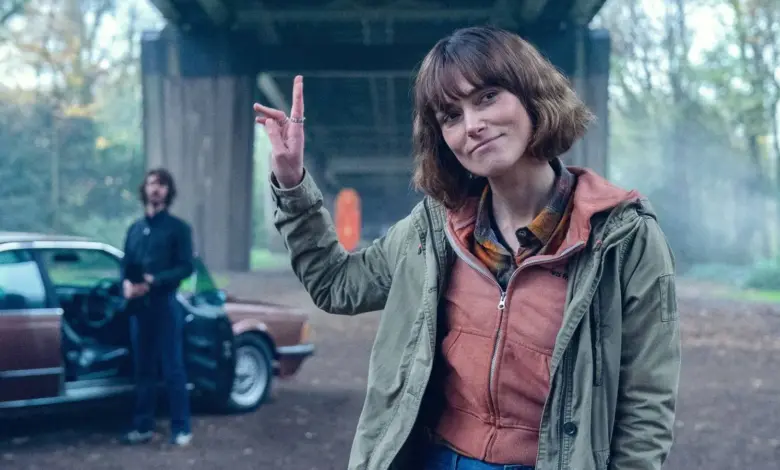
A recently released six-part spy thriller starring Keira Knightley positions itself as a counterpoint to the tone that has defined Slough House’s ensemble. Its creator described a series that favors quicker pacing, emotional immediacy, and high-stakes, knowingly pulpy storytelling. That framing was contrasted directly with the more restrained, grounded approach associated with the Slough House world—described by the showrunner of the Slough House adaptation as feeling like a remnant of a classical spy era, run down and dilapidated.
Creator commentary invoked the enduring influence of a major novelist on contemporary spy fiction, noting that both series inherit a lineage of slow-burn paranoia even as one elects to modernize it with brisker plot propulsion and heightened spectacle. The result is a visible stylistic split: one series leaning into melodrama and action, the other leaning into a gritty, character-driven sensibility that foregrounds the misfit agents at the centre of Slough House.
What If Season Six Delivers the Teases?
Season-six developments for the Slough House adaptation have become clearer following comments from a principal cast member and the showrunner. Christopher Chung confirmed that his character, Roddy Ho, survives into the next season and described Ho’s arc as moving toward a more spiritual, holistic path after events in the prior season. Chung said Ho becomes “a little bit more spiritual” and that the character continues to evolve each season as he seeks to “find himself and become the best version of Ho that he can be. “
The showrunner signalled change behind the scenes as well, noting that the upcoming season will be his last in that role while acknowledging familiarity with the original novels and hinting that characters from earlier entries will return. The new season’s scriptwriting credit was named in remarks as belonging to Gaby Chiappe. The adaptation remains rooted in the Slough House novels by Mick Herron, and the central mentor–mentee dynamic between the lead figures endures as a core throughline.
What Should Viewers Expect from Slow Horses?
Industry recognition for the series surfaced on the awards circuit, where the show received nominations in multiple drama and supporting-actor categories; one cast member was singled out for a supporting-actor nomination but did not take the prize. On the red carpet, reflections on working with established leads emphasized the learning and lift provided to supporting performers, with the nominated actor describing daily collaboration with senior talent as a formative influence on his own performance.
Combined, the rival series’ different stylistic choices and the confirmed creative and casting developments for the Slough House adaptation create a twofold expectation: audiences will now judge the Slough House world both on its traditional strengths—character depth, bleak humour, and patient plotting—and on its capacity to surprise within a changing genre landscape. With the showrunner departing after the upcoming season and with promises of returning characters and a tonal evolution for key players, viewers and stakeholders should anticipate continuity of core characters alongside deliberate shifts in character focus and emotional register. In short, the next season will test the balance between what made the series distinct and how it responds to a faster, flashier spy benchmark, leaving slow horses