Ben Johnson Mockumentary Reveals a Satirical Reframing That Both Softens and Confronts a Scandal

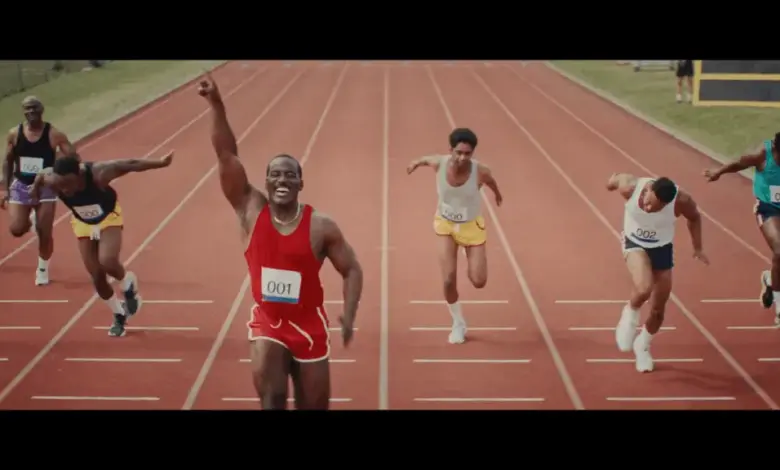
Ben Johnson is the focus of Hate the Player: The Ben Johnson Story, a six-part satirical mockumentary that blurs fact and fiction to retell the rise and fall of the Olympic champion whose career was ended by a doping scandal. The series positions comedy as a way to revisit a contentious sporting moment while asking whether laughter can carry the weight of historical consequence.
What does the new series show about Ben Johnson?
Verified facts: The series, titled Hate the Player: The Ben Johnson Story, is a six-part mockumentary described as blurring fact and fiction. It follows a disgraced protagonist who self-funds a film to set the record straight and pulls viewers into a world portrayed as involving ethically questionable coaching, performance-enhancing cover-ups, and misguided redemption. Shamier Anderson stars as Ben Johnson and is an executive producer on the project. The series features an ensemble cast that includes Mark McKinney, Karen Robinson, Andrew Phung, and Andrew “King Bach” Bachelor. Portions of the story concentrate on how Johnson’s coach, Charlie Francis, and his rivalry with Carl Lewis are represented as elements in the narrative. The series held a world premiere in Scarborough where events around the premiere included the principal figures connected to the show.
Analysis: Presenting Johnson’s life as a mockumentary reframes a well-known scandal through satire and self-reflection. That approach foregrounds personal perspective—an on-screen attempt to reclaim narrative—while deliberately mixing truth and invented scenes. The series’ depiction of ethically questionable coaching and cover-ups invites viewers to weigh entertainment against accountability; comedy may open access for younger audiences while complicating how responsibility and institutional failure are understood.
Who made Hate the Player and why does that matter for Ben Johnson?
Verified facts: Emmy-nominated writer Anthony Q. Farrell created the series. Truro actor-director Corey Bowles played a key role in the creation and has described the project as capturing a version of the protagonist that both “puts a shine to his name” and “doesn’t pull any punches on what went down. ” Bowles, known for his acting work and for directing credits including episodes of several mainstream television dramas, established himself earlier with the feature Black Cop, which earned him a best director prize at the Atlantic Film Festival and a Screen Nova Scotia Award for best feature film. Corey Bowles left his long-running acting role on a Halifax-shot series in 2018 and has since concentrated on directing and developing new projects. Shamier Anderson serves as both lead actor and an executive producer. The series was filmed primarily in Scarborough.
Analysis: The creative team combines people with comedic and dramatic credentials alongside a performer who co-produces and portrays the central figure. That combination suggests the makers deliberately structured a hybrid form—comedy with documentary trappings—to retell a fraught biography. Corey Bowles’s dual perspective as an actor-director who has moved into directing shows and films explains his stated attraction to a script that seeks catharsis through humor. The presence of an executive-producer lead in Shamier Anderson signals that the project was shaped with close involvement from the performer interpreting Johnson’s perspective.
What should audiences and institutions demand next regarding Ben Johnson?
Verified facts: Those involved in the series have framed it as a way for newer generations to learn and to engage with the subject through a comedic lens. Both the creator team and cast describe the project as a fresh, comedic twist on a story that remains significant to sports identity.
Analysis and accountability: The series raises questions about how historical controversies are retold: Who gets to shape the narrative and how should historical wrongdoing be balanced with attempts at personal redemption? When satire revisits a scandal, viewers and relevant sporting institutions should insist on clarity about what is dramatized and what is drawn from documented events. Transparency about creative choices will help separate verifiable elements of the past from fictionalized scenes intended for dramatic or comedic effect. For the public reckoning to be constructive, the show’s descriptions of coaching practices and alleged cover-ups should prompt viewers to seek clear delineation between dramatized interpretation and established fact.
Final note: As Hate the Player frames a public retelling of Ben Johnson’s life, the project’s choices about tone, fact, and fiction will determine whether satire serves catharsis, accountability, or both for audiences confronting a complex sporting legacy centered on Ben Johnson.