Wales: Plans for UK’s newest national park to face public inquiry — opportunity or waste of money?

Plans to create the first new national park in wales since 1957 will now face a public local inquiry after several councils formally opposed the designation. Natural Resources Wales’ board endorsed the Glyndŵr National Park proposal in January 2026, but five local authorities raised objections that must be examined by a planning inspector. The inquiry means ministers cannot decide before May’s Senedd election, leaving the final outcome to the incoming administration.
Wales councils force public inquiry
All five councils within the proposed boundary issued reservations and several lodged formal objections, prompting the requirement for a public local inquiry under the National Parks and Access to the Countryside Act 1949. Powys council said it feared the designation would place additional pressures on rural communities while offering little tangible benefit. Wrexham council warned that higher visitor numbers would affect demand for services and the budgets of local authorities and other public bodies. Gwynedd council highlighted a lack of clarity on impacts for the Welsh language, planning service delivery and budget arrangements.
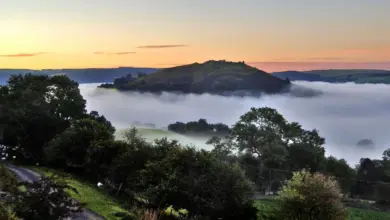
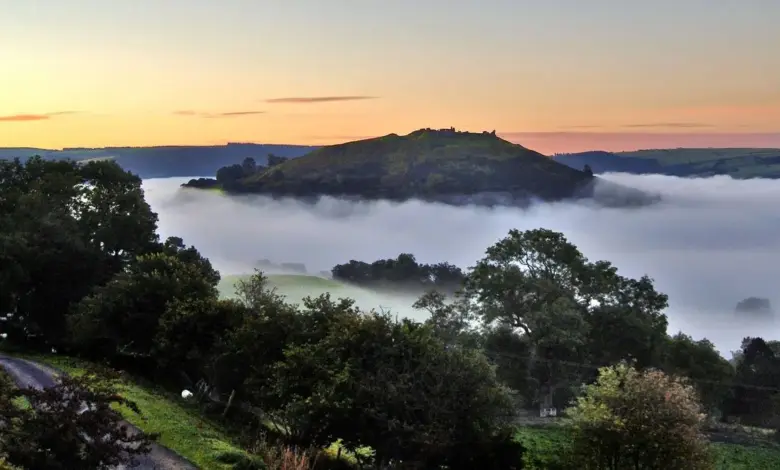
The proposed Glyndŵr National Park would be based around the existing Clwydian Range and Dee Valley Area of Outstanding Natural Beauty and stretch from the Denbighshire coastal town of Prestatyn to Nant-y-dugoed, roughly 20 miles west of Welshpool, Powys. An official assessment by Natural Resources Wales ran from 2022–25 and cost approximately £700, 000 a year; the organisation’s board issued a designation order in January 2026.
Public consultation returned 1, 678 responses: 53% in favour, 14% offering at least conditional support, 31% opposed and 3% undecided. Local authorities flagged questions about funding and planning arrangements, plus concerns over house prices, local services and the Welsh language.
What supporters and opponents are saying
Huw Irranca-Davies, the Welsh Government’s Deputy First Minister with responsibility for Climate Change and Rural Affairs, set out the rationale for careful scrutiny. He said the country’s existing national parks are designed to have a significant positive impact on the natural environment and people’s ability to enjoy it, and noted that the designation is a big change that deserves careful consideration. He also pointed to the performance of existing parks, saying they attract around 12 million visitors annually and deliver roughly £1 billion to the Welsh economy.
Support groups argued the inquiry is an opportunity to clarify benefits. Gareth Ludkin, policy manager for the Campaign for National Parks, welcomed the public inquiry as a way to further clarify the desirability of a national park in the area and to address unanswered questions from the consultation process. Martin Glyn Murray of Dee Valley Environmental Network said: “It would be a terrible shame if this gets scrapped. “
Opponents include land managers and local residents who raised nine particular concerns during the consultation. Farmer Sarah Lewis from Llanrhaeadr-ym-Mochnant, Powys, said she worried the park would make life harder for her family. Councils have emphasised that questions over funding, planning and service delivery remain unresolved.
Next steps: inquiry, inspector and the Senedd handover
The public local inquiry will see a planning inspector scrutinise the arguments for and against the Glyndŵr designation and make recommendations to ministers under the 1949 Act. That process now places the decision beyond the current government’s timetable and means it will be taken forward by the next Senedd administration. Stakeholders on all sides have signalled they will use the inquiry to press their case; the outcome will determine whether the proposal moves from designation order to formal national park status in wales.