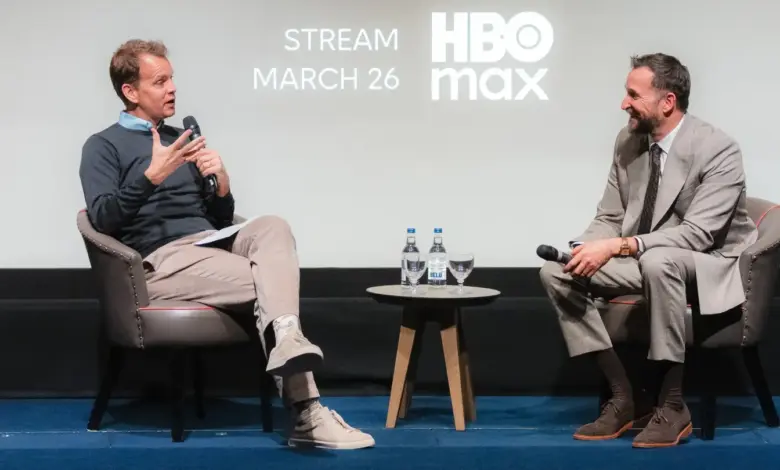
noah wyle called for universal health coverage in the United States while discussing his hit medical drama at a London screening tied to a U. K. streaming launch. The star and executive producer drew a direct line between the show’s realistic E. R. world and broader public debates over how health care is organized and delivered.
What Happens When Noah Wyle Makes the Case for Universal Coverage?
Wyle appears on screen as Dr. Michael “Robby” Robinavitch, the lead of an understaffed, underfunded emergency room in Pittsburgh. The series has developed a reputation for mirroring real-world health care pressures, including a season-two storyline that engaged with immigration enforcement issues. In London he laid out a critique of the current U. S. system: insurance companies acting as intermediaries, care driven by algorithms set by payers, and a profit orientation that he said diminishes quality of care. He contrasted that with the publicly funded National Health Service (NHS) model in the U. K. and concluded, “I personally think we need some sort of national health care service in the United States. We need universal coverage for everybody. “
That intervention turns a television performance into a public statement: an entertainer who also executive-produces his series used a high-profile screening to call for structural change. The show’s immersive production—shot in a 360-degree, almost live-theater style designed to make viewers feel embedded in the E. R. —amplifies its capacity to shape perceptions about frontline health work and systemic failure.
What If The Pitt’s Weekly Rhythm Shapes Public Conversation?
The program’s release pattern has become part of its cultural effect. After an initial run that put a large block of episodes into the public at once, the second season shifted to weekly distribution, a choice cast members say builds community around the narrative. Members of the ensemble described the weekly cadence as an advantage: it forces audiences to sit with an episode, reflect, discuss and then return. One cast member called it a way for the world to be “on the journey with us, ” while another said it recreates the old “water cooler” moment for modern viewing habits.
The series has also performed strongly during awards season and marked the first time Wyle returned to scrubs since an earlier, long-running medical drama in his career. Viewers who binged the first season found the shift to weekly episodes a challenge but cast and creators argue that the pacing better sustains communal engagement. Season two continued to roll out in the U. S., the season-two finale is due in April, and the production has signaled a return with season three expected early next year—an arc that keeps the show in public conversation over an extended period.
- Best case: The show’s realism and weekly rhythm convert attention into informed public conversation, reinforcing calls for structural reform and raising sustained empathy for frontline workers.
- Most likely: The series remains a cultural touchstone for portrayals of emergency medicine; the weekly release maintains social conversation without producing immediate policy shifts, while season three renews interest.
- Most challenging: Audience fragmentation and seasonal fatigue blunt the series’ influence; the program’s critiques of insurance-driven care circulate mainly within entertainment discourse rather than policy fora.
Each scenario flows from the show’s documented strengths: immersive production, credible portrayal of health care workers, and intentional release pacing that encourages episodic reflection.
Who wins, who loses? Frontline clinicians and nurses benefit from a dramatic framing that spotlights their pressures and decision-making; cast and creative teams gain sustained audience attention and awards recognition. Critics codified in the drama—payers and administrative intermediaries—are portrayed as structural obstacles in Wyle’s remarks, which may sharpen public critique of those roles. Viewers get a textured, character-driven window into emergency medicine; the tenuous parties are those who rely on passive, one-off attention rather than ongoing engagement.
What should readers expect and do? Watch how the show’s weekly rhythm modulates public discussion. If you engage with the episodes in real time, the series is designed to foster conversation and reflection about the systems that shape care. For those tracking policy implications, the program’s realism and the star’s explicit call for a national health care service mean the drama could become a recurring reference point in debates about coverage reform. Remain attentive to how storytellers, release strategy, and high-profile advocacy intersect—this confluence makes entertainment a durable amplifier for institutional critique and civic debate, a dynamic staked out by noah wyle